

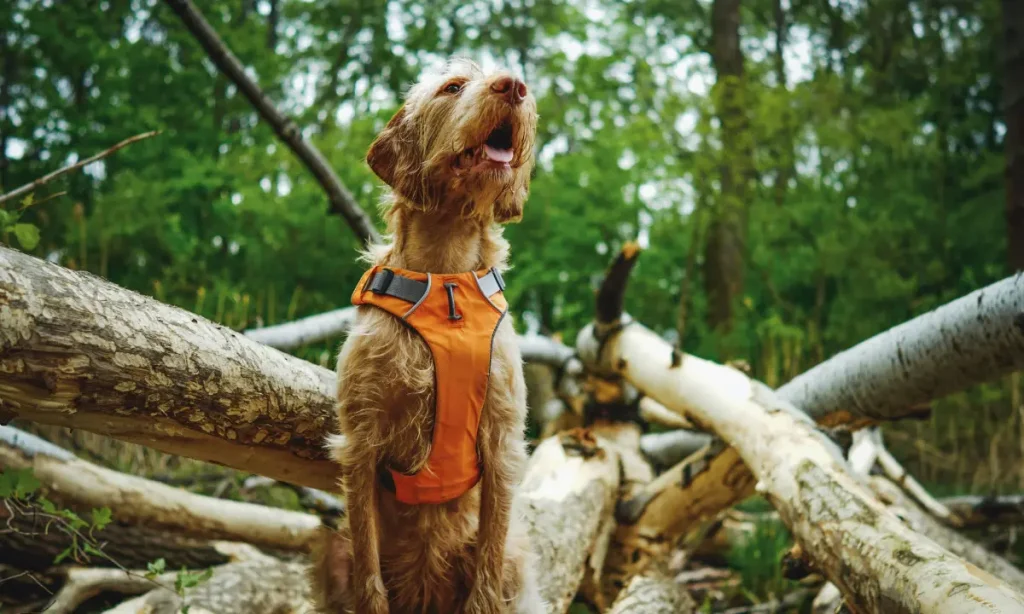
Why Does a Harness Calm My Dog? Benefits & Training Tips
If you’ve ever walked your dog and noticed how much calmer they seem with a harness compared to a collar, you’re not alone. Many dog owners notice this calming effect and wonder why it happens. A dog harness is not just for better control or comfort—it can actually help calm your dog. Whether your dog is anxious, a puller, or simply struggling with neck strain, a harness provides a unique solution to these common problems.
This guide will dive into why a harness calms your dog, the science behind it, and the specific benefits it offers to different dogs. We’ll also explore how to choose the best harness for your dog’s needs, whether you’re dealing with anxiety, pulling, or just looking for better control during walks. Let’s explore the reasons why using a dog harness can help your furry friend feel more relaxed and secure.
What Is a Dog Harness and Why Does It Calm My Dog?
A dog harness is a tool designed to fit over your dog’s chest and back, providing better control than a traditional collar. Unlike collars, which put pressure on the neck, a harness distributes pressure evenly across your dog’s chest and body. This allows for a more comfortable and controlled walk, especially for dogs that pull or have neck issues.
So, why does a harness have a calming effect? The answer lies in how it applies gentle pressure on your dog’s body, similar to a soothing effect, like a hug or swaddling. This pressure stimulates the release of endorphins, the brain’s “feel-good” chemicals, which can help reduce anxiety and stress.
This effect is similar to the calming nature of weighted blankets used by people to help alleviate anxiety. In the case of dogs, the gentle pressure from a harness can give them a sense of security and comfort, which is why they often seem calmer when wearing one.
Why the Right Harness Makes All the Difference
The right dog harness is about more than just comfort and control—it can directly affect your dog’s behavior. Using the wrong harness or an ill-fitting one can cause discomfort and lead to behavioral issues. If a harness is too tight, it can restrict movement, leading to frustration or anxiety in your dog. If it’s too loose, it won’t provide the calming effect needed to help with training or anxiety.
Choosing the right harness that fits your dog properly and is designed for their specific needs can help them feel more secure. This is especially true for dogs with separation anxiety, reactivity issues, or excessive pulling. A harness helps manage these behaviors by offering better control and reducing discomfort. Supreme Dog Garage provides designer dog leashes and helps you find the perfect fit for your dog’s personality and style.
The Science Behind the Calming Effects of a Dog Harness
Gentle Pressure and the “Hug” Effect
When a dog wears a harness, the gentle, consistent pressure placed across their chest and torso mimics the calming effects of a hug. This sensation helps reduce anxiety and provides a sense of security. This concept is not new; it’s similar to how weighted blankets help calm people by applying gentle pressure on the body.
Harnesses work by activating receptors in the dog’s skin, muscles, and joints, which in turn trigger the release of endorphins, the brain’s natural “calming” chemicals. This response can help reduce your dog’s stress and anxiety, especially in situations that might otherwise be overwhelming, such as during walks, car rides, or visits to the vet.
This type of calming effect is particularly beneficial for dogs that experience separation anxiety or get easily overstimulated during walks. The harness acts as a soothing tool, providing your dog with a sense of comfort and stability.
Harness vs. Collar: Understanding the Differences
While both collars and harnesses are commonly used for walking and controlling dogs, they serve different purposes. Collars can put direct pressure on your dog’s neck, especially if they pull, which may cause discomfort or injury. This can lead to stress, as your dog might associate walking with pain or frustration.
On the other hand, a harness evenly distributes pressure across the chest and shoulders, offering better control and preventing neck strain. This leads to a more comfortable walk, especially for dogs that tend to pull or have respiratory problems like brachycephalic breeds (e.g., Bulldogs, Pugs).
Here’s a quick breakdown of the differences:
Aspect | Harness Advantages | Collar Advantages |
Control | Superior body leverage, especially for pullers | Simpler for calm dogs |
Safety | No neck strain, no escape risk | ID tags are more convenient |
Comfort | Even pressure distribution, comfortable for long walks | Quick on/off, more familiar to most dogs |
Use Case | Ideal for pullers, training, and busy areas | Best for well-behaved dogs or quick potty walks |


Behavioral Benefits of Using a Dog Harness
Reduced Anxiety and Stress
One of the most significant benefits of using a harness is its ability to reduce anxiety in dogs. Whether you have a dog with separation anxiety, one that gets anxious around new environments, or a dog that struggles with loud noises, a harness can provide a sense of security. The gentle pressure from the harness offers a calming effect, making dogs feel more grounded during walks, car rides, or in unfamiliar situations. For dogs that are easily overwhelmed, this effect can help them stay calm and focused, leading to better behavior overall.
Better Control and Improved Training
For dogs that pull or have difficulty focusing during walks, a harness provides superior control compared to a collar. Front-clip harnesses, in particular, are excellent at redirecting a dog’s attention back to the owner, reducing pulling, and making walks more enjoyable. Harnesses also help maintain good leash manners, which is essential for training.
By keeping your dog’s attention focused on you, a harness helps with obedience training, reducing reactive behaviors, and encouraging your dog to stay calm and listen to commands. A front-clip harness is a powerful tool, but pairing it with a consistent strategy for stopping your dog from pulling on the leash will transform your walks into a truly therapeutic experience.
Choosing the Best Dog Harness for Calming and Training
Key Features to Look for in a Calming Dog Harness
When choosing a dog harness, several key features should be considered to ensure that it provides the calming effect you’re seeking.
Here’s what to look for:
- Size and Fit: A harness should fit snugly but not restrict movement. A proper fit ensures comfort and effectiveness in reducing anxiety and stress. Be sure to measure your dog’s girth and neck properly before purchasing a harness. A harness can only be calming if it fits perfectly; learning how to measure your dog for a harness ensures that the pressure is distributed evenly across the ribcage without rubbing or restricting movement.
- Comfortable Materials: Look for harnesses made from soft, breathable materials like neoprene or padded nylon. These materials prevent discomfort during long walks and ensure that your dog stays cool and comfortable.
- Durability and Adjustability: The harness should be durable enough to withstand daily use and adjustable to accommodate your dog’s growing size or changing needs. Look for a harness with secure buckles and adjustable straps.
- Reflective Features: Reflective strips or stitching on the harness improve visibility, especially during nighttime walks. This ensures both your and your dog’s safety.
Types of Dog Harnesses for Calming Dogs
Choosing the right type of harness is key to maximizing its calming effect. Below are a few types of harnesses to consider:
- Front-Clip Harness (Best for Pullers): This type of harness redirects your dog’s attention back to you, making it perfect for dogs that pull. It helps calm the dog’s attitude by preventing them from straining against the leash.
- Back-Clip Harness (Best for Calm, Well-Trained Dogs): A back-clip harness is best for well-behaved dogs that don’t pull. It provides comfort and control without applying pressure to the dog’s neck.
Padded/Adjustable Harnesses (Best for Comfort): These harnesses are designed with extra padding to ensure maximum comfort, especially for long walks or dogs with sensitive skin.
Training with a Dog Harness: Practical Tips for Success
A dog harness is an excellent tool for managing behavior, but for it to be effective, it needs to be used properly. Here are some practical tips to ensure that your dog feels calm and secure while wearing their harness, and how you can use it to improve training outcomes.
Start Slowly with Positive Reinforcement
When first introducing a harness to your dog, it’s important to do so gradually. Like any new experience, sudden changes can be overwhelming for dogs, so start by introducing the harness in a calm, controlled environment. Allow your dog to sniff the harness and get used to the feel of it before actually putting it on.
Pair the harness introduction with positive reinforcement. Reward your dog with treats and praise when they calmly interact with the harness. This helps your dog build a positive association with wearing the harness, which can make them feel more comfortable and less anxious.
- Tip: Start by simply letting your dog wear the harness for short periods around the house, and gradually increase the duration over time.
Gradually Increase Training Sessions
Once your dog is comfortable wearing the harness, you can start using it during training sessions. Begin with short, easy training sessions, such as basic leash manners, and gradually work your way up to more challenging exercises. This will help your dog get used to the harness in different environments, reducing any stress or discomfort they may initially feel.
Be patient during this process. If your dog shows signs of anxiety, such as excessive panting or pulling away, take a step back and reintroduce the harness slowly. It’s important not to rush the process to avoid overwhelming your dog.
- Tip: Always end training sessions on a positive note. If your dog did well with the harness, reward them with treats and praise.
Incorporate the Harness into Daily Activities
To help your dog become even more comfortable with the harness, use it during everyday activities. This could include casual walks, car rides, or even playtime in the yard. The more your dog wears the harness in different contexts, the more they will associate it with positive experiences.
For example, if your dog enjoys playtime, let them wear the harness while you play fetch or engage in other activities. This will help them feel secure and relaxed while wearing it, especially when they are already in a positive, happy state.
- Tip: Make wearing the harness part of your dog’s daily routine to help them get used to it and avoid associating it only with stressful situations.
-
Louis Pawtton Hero Brown Checkered Designer Leather Dog Harness and Leash Set
$35.00 – $94.50Price range: $35.00 through $94.50 -
Pawcci Designer Dog Harness And Leash Set
$59.50Original price was: $59.50.$39.00Current price is: $39.00.Rated 5.00 out of 5 -
Furry Berry Plaid Bow Tie Dog Collar And Leash
$20.00 – $35.00Price range: $20.00 through $35.00 -
Furdi FF Monogram Designer Dog Harness And Leash
$26.00 – $57.50Price range: $26.00 through $57.50Rated 5.00 out of 5


Addressing Common Concerns with Harnesses
Although harnesses can be an effective tool for calming dogs, they are not without their concerns. Here are some common issues dog owners face with harnesses and how to address them:
Do Harnesses Really Calm Dogs?
Yes, harnesses do help calm dogs, but it’s important to remember that the calming effect is most noticeable when the right harness is used for the right dog. For anxious dogs, the gentle pressure provided by the harness can help activate calming receptors in the dog’s body, leading to a more relaxed state. However, it’s important to combine the use of a harness with other behavioral training techniques to achieve the best results.
Are Harnesses Safe for All Dogs?
Harnesses are generally safe for all dogs when used correctly. However, a poor-fitting harness can cause discomfort or restrict movement. It’s important to choose an adjustable harness, made of comfortable materials, and properly fitted to your dog’s body. Always avoid harnesses that are too tight or too loose, as they may cause friction or rubbing.
If your dog has special needs, such as neck or back problems, consult with a vet before choosing a harness. For dogs with respiratory issues, harnesses that avoid pressure on the neck and throat are highly recommended.
Frequently Asked Questions About Dog Harnesses
Why does a harness calm my dog?
The gentle, consistent pressure applied by a harness helps activate calming receptors in your dog’s body, releasing endorphins and promoting relaxation. This is why many dogs, especially those with anxiety or pulling behaviors, seem calmer and more secure when wearing a harness.
What type of harness is best for an anxious dog?
For dogs with anxiety, front-clip harnesses or padded, adjustable harnesses are often the best choice. These harnesses provide both comfort and control while redirecting the dog’s attention, helping to reduce anxiety during walks or outings. Front-clip harnesses, in particular, help manage pulling, which can otherwise increase a dog’s stress.
Can a harness help with my dog’s pulling?
Yes, a front-clip harness is specifically designed to help with pulling by redirecting your dog’s attention back to you. The harness applies gentle pressure to the chest, making it easier to control your dog without causing discomfort or neck strain. This can help reduce pulling behavior over time, leading to a calmer walking experience.
How do I know if a harness is the right choice for my dog?
A harness is a great choice if your dog experiences neck strain from collars, has pulling issues, or suffers from anxiety. If your dog struggles with behavior issues such as barking, lunging, or excessive pulling, a harness can provide more control and comfort, reducing stress and improving their behavior. However, it’s important to choose a harness that fits properly and suits your dog’s needs.
How do I fit a dog harness properly?
To fit a harness correctly, measure your dog’s girth and neck to ensure the harness is snug but not too tight. The harness should allow for some breathing room, but it shouldn’t be so loose that it slips off. Always adjust the straps to provide a comfortable yet secure fit, especially if your dog is growing or changing sizes.
Conclusion: Harnesses as an Effective Tool for Calming and Training Your Dog
Choosing the right harness is a simple yet powerful way to calm your dog, improve behavior, and make training more effective. Whether your dog is anxious, a puller, or just needs more control during walks, a harness can provide the comfort and security they need. By understanding how a harness works and selecting the right one for your dog’s needs, you can help your pet stay calm and focused, leading to a better training experience for both of you.
At Supreme Dog Garage, we offer a wide selection of high-quality dog harnesses designed to meet every dog’s needs. Browse our collection today to find the perfect harness that will help your dog stay calm, comfortable, and well-trained.

Top Dog Walking Products for Every Adventure
Make every walk an experience with premium dog walking gear from Supreme Dog Garage. Whether you’re exploring the neighborhood or hitting the trails, our curated selection of leashes, harnesses, collars, and accessories combines style, comfort, and durability, perfect for every pup and their person.
