

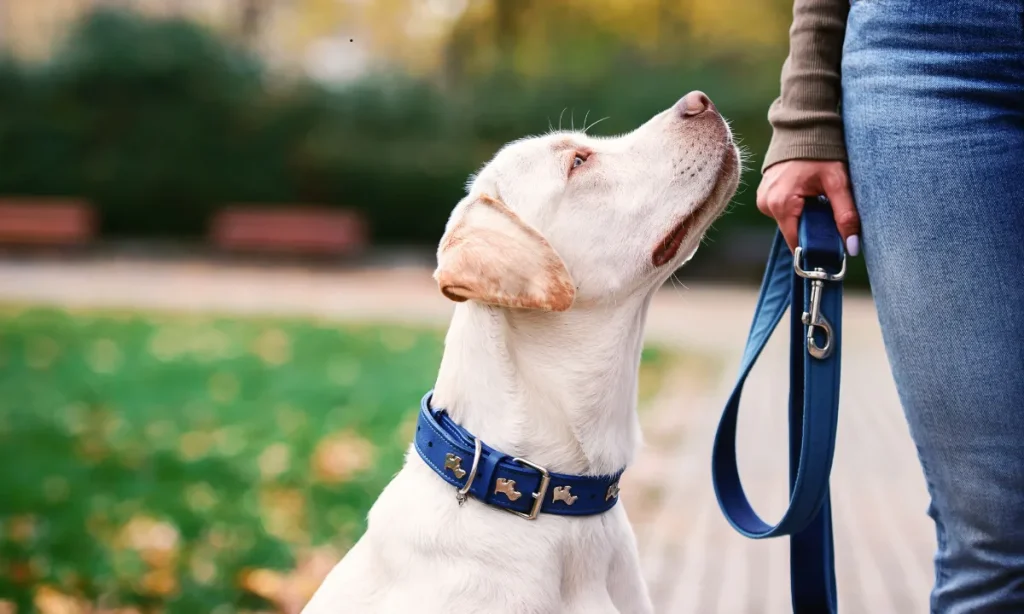
How Tight Should a Dog Collar Be? Expert Tips for a Safe and Comfortable Fit
Reviewed and Updated: June 24, 2026
When it comes to keeping your dog safe, comfortable, and under control during walks, training, and daily activities, the fit of their dog collar is critical. Many pet owners struggle with finding the right balance; a collar too tight can cause pain, skin irritation, or breathing issues, while a collar that is too loose increases the risk of your dog slipping out, snagging on objects, or even chewing the collar. This guide is designed to help dog owners understand how to correctly fit a dog collar, recognize signs of poor fit, and ensure the safety and comfort of their pets. By following proven methods like the Two-Finger Rule and using high-quality, adjustable collars from trusted providers like Supreme Dog Garage, you can protect your dog and give yourself peace of mind.
Why Proper Collar Fit Matters
A dog collar is more than a fashion accessory. It is an essential accessory for attaching ID tags, leash, and training equipment, and it plays a vital role in your dog’s safety and well-being. A poorly fitted collar can lead to serious problems. When a collar is too tight, your dog may experience restricted breathing, chafing, sores, or hair loss, especially around the sensitive neck area. On the other hand, a collar that is too loose increases the risk of escape, accidental snags, or choking hazards, particularly during active play or outdoor adventures.
Proper fit is crucial for all dog sizes and breeds, from tiny toy dogs like Chihuahuas and Pomeranians to giant breeds such as Great Danes and Saint Bernards. It also ensures that your dog remains comfortable during walks and prevents injuries caused by pulling or sudden movements. Choosing an adjustable collar with quality materials, such as velvet, waterproof options, or vegan leather, allows for changes in neck size due to growth, seasonal fur changes, or weight fluctuations.
The Two-Finger Rule: Your Guide to a Perfect Fit
The Two-Finger Rule is the most widely recommended method for ensuring your dog collar fits safely and comfortably. To apply this rule, slide two flat fingers (usually the index and middle) between the collar and your dog’s neck. The collar should feel snug but not tight. If your fingers cannot fit, the collar is too tight; if there is more space than two fingers, the collar is too loose. This simple test works across dog types, sizes, and breeds, making it a reliable starting point for both first-time and experienced dog owners.
Applying the Rule to Different Dog Sizes Dog Size / Breed
Dog Size / Breed | Finger Spacing Recommendation | Notes |
Small Breeds (Chihuahua, Pomeranian) | 1 finger may suffice | Their small necks may require gentler adjustments to prevent irritation |
Medium Breeds (Beagle, Cocker Spaniel) | 2 fingers | Standard application of Two-Finger Rule ensures proper fit |
Large Breeds (Great Dane, Saint Bernard) | ~1 inch (~3 fingers) | Wider collars distribute pressure safely; check for extra padding |
Puppies | 2 fingers, check weekly | Rapid growth necessitates frequent adjustments |
Long-Haired Dogs | 2 fingers after compressing coat | Prevents the collar from being too tight over dense fur |
Following this rule consistently helps prevent collar hazards, including tight collars causing health issues and loose collars increasing escape, snagging, or chewing risks.
Signs of a Collar That Is Too Tight or Too Loose
Monitoring your dog for signs of poor collar fit is just as important as measuring and adjusting the collar. Knowing what to look for can prevent injuries and ensure your dog remains comfortable.
Signs of a Collar That Is Too Tight
- Difficulty breathing, coughing, or gagging
- Pawing or scratching at the neck frequently
- Redness, chafing, sores, or hair loss
- Visible indentations on the neck or skin irritation
Signs of a Collar That Is Too Loose
- Collar rotates or slips over the head easily
- Tag or leash attachment swings excessively
- Collar snags on furniture, fences, or branches
- Dog frequently chews or plays with the dangling collar
Tip: Use a secure, adjustable collar from Supreme Dog Garage to prevent these issues. Their collars are made with quality materials that maintain comfort and safety for all dog sizes and types.
How to Measure Your Dog’s Neck Accurately
While the Two-Finger Rule is effective, combining it with a proper neck measurement ensures maximum comfort. Use a flexible tape measure around the widest part of the neck, then add 1–2 inches for comfort. This approach is especially helpful for long-haired dogs and breeds with thick coats. Always adjust collars after growth or seasonal coat changes.
Step 1: Use a soft measuring tape or string around the thickest part of your dog’s neck.
Step 2: Add 1–2 inches for movement and comfort.
Step 3: Slide fingers between collar and neck to double-check fit.
Step 4: Reassess weekly for puppies and monthly for adult dogs.
Adjustable Collars: The Best Choice for Growing and Changing Dogs
Adjustable collars are ideal for dogs of all sizes, especially for growing dogs, and those with changing coat thickness or weight fluctuations. These collars allow you to maintain a secure and comfortable fit without constantly replacing the collar as your dog changes size. High-quality adjustable collars, like those offered by Supreme Dog Garage, come in durable materials such as velvet, waterproof fabrics, and vegan leather, providing both comfort and safety. With reinforced hardware and soft materials, these collars help prevent collar hazards like chafing, breathing issues, or the risk of escape.
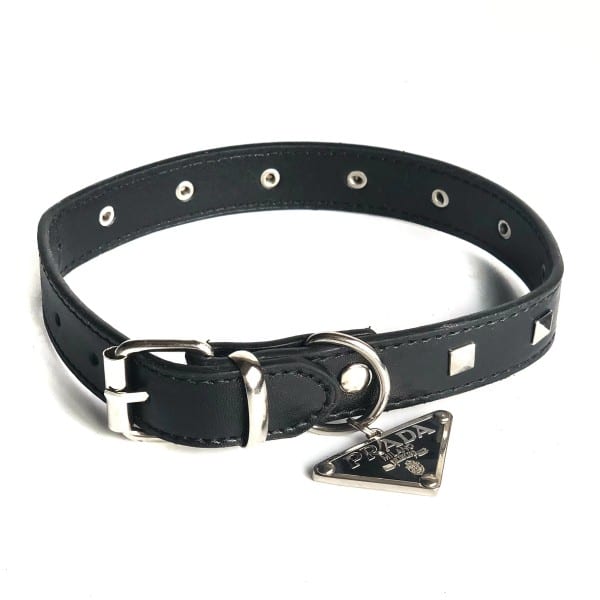


Collar Types and How They Affect Fit
Not all collars are created equal, and each type requires attention to ensure proper fit and comfort. Fabric collars are the most common for everyday use. Made from nylon, polyester, or cotton blends, they are lightweight, adjustable, and easy to clean. These collars are ideal for small and medium dogs, offering a balance of comfort and practicality. Leather collars provide durability and style, especially for large breeds, but they need occasional conditioning to prevent cracking. Leather collars should also be adjustable to avoid excessive tightness. Chain collars, often used for training, offer better control for strong or active dogs but must be used responsibly and removed when unsupervised to prevent injury.
Lighted or LED collars improve visibility during nighttime walks, but they must fit snugly to prevent rotation, ensuring the light stays upright. Martingale collars are excellent for dogs with narrow heads or those prone to slipping out of standard collars. These collars tighten slightly when the dog pulls, preventing escape while still allowing comfort. Electronic collars (E-collars) are specialized training tools that should only be fitted carefully, ensuring they are snug without being restrictive. Understanding the features and fit requirements of each collar type is crucial for both safety and comfort, particularly for dogs of different sizes and activity levels.
Breed and Coat Considerations for Collar Fit
Collar fit is not a one-size-fits-all approach. Small breeds, like Chihuahuas and Pomeranians, have delicate necks and require lightweight collars. Even minor tightness can cause discomfort, making adjustable collars essential for small dogs. Large breeds, such as Great Danes or Saint Bernards, need wider collars to evenly distribute pressure, reduce strain, and prevent injuries to their necks and tracheas.
Dogs with long or double coats require extra attention. When checking fit, compressing the coat helps ensure the collar is not too tight over thick fur. Seasonal shedding can also affect fit, so collars may need adjustments after grooming or during coat changes. Puppies grow rapidly, so weekly collar checks are necessary to maintain safety and comfort. For senior dogs, soft or padded collars reduce pressure on sensitive necks and prevent rubbing or irritation. Combining the Two-Finger Rule with proper neck measurements helps ensure a secure and comfortable fit across all breeds and coat types.
Troubleshooting Collar Fit Issues
Even with correct measurements and adjustable collars, problems can occur. Being able to identify and fix fit issues is essential for safety:
Problem | Possible Cause | Solution |
Collar slides over the head | Collar too loose or improperly sized | Adjust or resize the collar; consider a martingale collar for escape-prone dogs |
Red marks, hair loss, sores | Collar too tight or the material is rough | Loosen collar, use padded material, check for skin irritation |
Collar snagged on fence/branches | Too loose or dangling tags | Shorten collar, secure tags, consider a harness for active play |
Chewing or pawing at the collar | Collar discomfort or boredom | Inspect fit, replace material, supervise outdoor time |
The collar rotates excessively | Improper width or slack | Adjust tightness, choose the correct collar width for breed/size |
Regular inspection is essential, especially for puppies and long-haired breeds. Adjusting collars after growth, grooming, or seasonal fur changes ensures your dog remains safe and comfortable at all times. Understanding the different types of dog collars and harnesses can help you choose the safest option.
-
Pawsace Gold Royal Designer Dog Collar & Leash Set
$30.50 – $58.50Price range: $30.50 through $58.50 -
Furdi Multicolor Monogram Designer Dog Collar & Leash Set
$30.50 – $58.50Price range: $30.50 through $58.50 -
Dogyard Pattern Designer Dog Collar and Leash
$30.50 – $75.50Price range: $30.50 through $75.50Rated 5.00 out of 5 -
Louis Pawtton V2 Designer Dog Collar and Leash
$30.50 – $66.50Price range: $30.50 through $66.50



Collar Fit Safety Checklist
To maintain proper collar fit, it’s important to follow a safety checklist every time you put the collar on or after your dog has experienced growth, weight changes, or grooming adjustments. First, slide two fingers between the collar and your dog’s neck; the collar should be snug but not restrictive. Next, rotate the collar gently to ensure it does not slide or pinch. Check for rubbing, redness, or hair loss. Inspect the hardware and attachment points for wear and tear. For puppies and dogs with thick or long fur, perform additional checks weekly to accommodate rapid growth and seasonal coat changes. Following this checklist helps prevent collar hazards, including breathing issues from tight collars or escape and snagging risks from loose collars.
Frequently Asked Questions
How often should I check my dog’s collar fit?
Puppies should have their collar checked weekly due to rapid growth, while adult dogs should be checked monthly, especially after grooming or seasonal shedding.
Can my dog wear a collar all day?
Yes, but monitor for signs of discomfort or matting. Remove collars occasionally if your dog is resting indoors to prevent rubbing or irritation.
Are wider collars safer for large dogs?
Yes, wider collars help distribute pressure evenly across the neck, reducing strain and improving comfort.
Should I remove the collar indoors?
It depends on your dog’s activity and coat type. Removing the collar can prevent irritation and allow the skin to breathe, especially for sensitive or long-haired breeds.
What if my dog hates the collar?
Ensure the collar material is soft, lightweight, and adjustable. Gradually acclimate your dog to wearing it, using positive reinforcement and short sessions initially.
Ensuring the Perfect Collar Fit
A well-fitted dog collar is essential for comfort, safety, leash attachment, and ID security. Using the Two-Finger Rule and accurate neck measurements, combined with adjustable collars, ensures a safe and snug fit for dogs of all breeds and sizes. Regular checks and adjustments, especially for puppies, long-haired dogs, and growing breeds, prevent collar hazards such as breathing difficulties, escape, or snagging. Paying attention to signs of poor fit allows owners to make timely corrections, keeping dogs safe, comfortable, and fully secure during walks, playtime, and everyday activities.
For reliable and comfortable options, consider Supreme Dog Garage, which are durable, adjustable, and designed for comfort and safety. They are available in a variety of materials, including velvet, waterproof, and vegan leather, and cater to all dog sizes, from small toy breeds to large working dogs. For a stylish and safe collars collection, visit Supreme Dog Garage and find the perfect fit for your dog today.

Top Dog Walking Products for Every Adventure
Make every walk an experience with premium dog walking gear from Supreme Dog Garage. Whether you’re exploring the neighborhood or hitting the trails, our curated selection of leashes, harnesses, collars, and accessories combines style, comfort, and durability, perfect for every pup and their person.
