

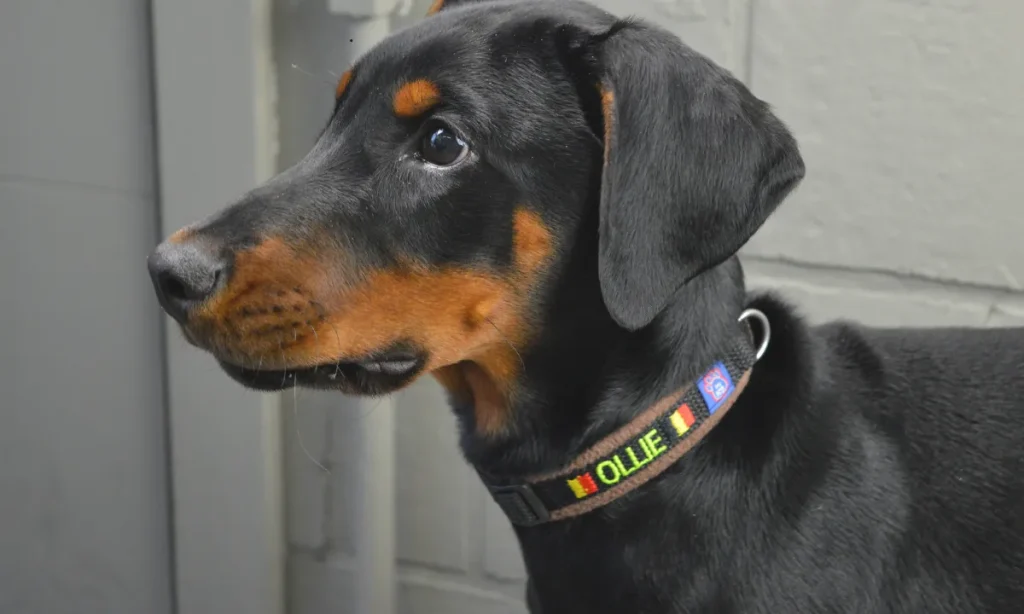
What Is the Best Collar for a Labrador? Guide for Fit, Safety, and Comfort
Reviewed and Updated: June 24, 2026
Labrador Retrievers are one of the most popular dog breeds in the United States, known for their gentle temperament, high energy, and playful behavior. Whether you have a young puppy or an adult Lab, choosing the right collar is essential for their safety, comfort, and daily activities. A poorly fitted or low-quality collar can cause rubbing, restrict breathing, or fail during walks, swimming, or hiking. This guide helps Labrador owners select collars that meet their dog’s needs for leash training, swimming, rough play, and everyday wear, while providing expert advice on measurement, fit, material, and style.
Understanding Labrador Retriever Neck Size and Collar Fit
Adult Labradors typically have neck lengths ranging from 16 to 20 inches, while puppies may start at 8–12 inches at 12 weeks and grow quickly over the first year. Male Labs generally weigh 65–80 lbs with a height of 22.5–24.5 inches at the shoulder, whereas female Labs weigh slightly less at 55–70 lbs and stand 21.5–23.5 inches tall. Because Labradors are strong and energetic, their collars need to withstand pulling, swimming, and active play while remaining comfortable.
When measuring for a collar, place a soft measuring tape around the widest part of the neck where the collar sits. Leave space for three fingers between the collar and the neck to ensure the collar is snug but not restrictive. Adjustable collars are particularly helpful for growing puppies or adult Labs that gain or lose weight, allowing a safe fit across life stages.
Best Collar Features for Labradors
The ideal Labrador collar balances durability, comfort, and versatility. Materials like High-Density Nylon, 1050D Ballistic Nylon, and Neoprene provide durability while remaining lightweight and resistant to moisture. Key features to consider include martingale tightening for controlled pull management, dual release buckles for easy use, water resistance for swimming, and padding for added comfort. Collar width is also critical: wider collars distribute pressure evenly, reducing risk of tracheal strain, while slim collars work for calm or trained Labs.
Adjustable collars allow flexibility in fit and accommodate rapid growth in puppies or weight fluctuations in adult Labs. For Labs that participate in swimming, hiking, or rough play, waterproof and quick-drying materials prevent bacterial growth and skin irritation while maintaining safety during energetic activity.
Recommended Collars for Labrador Retrievers
Several collar models are highly effective for Labs of all ages and activity levels. These include:
- Honeydew 2-inch Luxe Martingale: Designed for leash training and controlled pull management, this 2-inch high-density nylon collar provides martingale tightening, durability, and prevents choking. Best for active adult Labs, particularly those that pull or require training guidance.
- Gold Cognac 2-inch Luxe Dog Collar: Made from 1050D Ballistic Nylon with dual-release buckles and a wide surface, this collar is extremely durable and suitable for rough play, hiking, and swimming. Its robust construction handles strong pulling but is slightly heavier for smaller or less active Labs.
- Chocolate Rose-Gold 1.5-inch Tacti Slim: A slimmer, lighter collar for trained or calm Labs, ideal for Chocolate Labradors where style and comfort are desired. Constructed from 1050D Nylon, it provides durability but is less suited for aggressive leash training.
- Black Expedition Dog Collar: Adjustable and lined with Neoprene for water resistance, this belt-style collar is great for swimming, outdoor adventures, and daily use. The adjustable fit accommodates changing neck size, though hole spacing may reduce precision compared to fixed-width collars.
Best Collar Width for a Labrador
Choosing the right collar width is essential for the safety, comfort, and control of a Labrador Retriever. Many dog owners overlook this detail, yet it directly impacts how pressure is distributed across the neck when a dog pulls or plays.
Why Width Matters for Labs
A wider collar spreads pressure over a larger surface area, reducing the chance that the collar will dig into the Labrador’s neck during leash pulls. Labradors are strong and energetic dogs, and a collar that is too narrow can create pressure points, potentially causing discomfort, chafing, or tracheal strain over time. Conversely, a collar that is too wide may feel bulky and heavy, especially for younger or smaller Labs, and can interfere with natural movement or swimming. Selecting a width that balances comfort and control ensures that the dog can move freely while the owner maintains secure leash guidance.
Ideal Collar Width for Adult Labradors
For most adult Labradors, a medium-wide collar of about 1 to 1.5 inches provides optimal balance between comfort and durability. This width is sufficient to distribute pressure evenly across the neck while still being lightweight enough for daily wear. For larger or more energetic Labs that pull strongly on the leash, a 2-inch collar may be considered to provide extra durability and control; however, this width can feel heavier and may be less comfortable for extended wear.


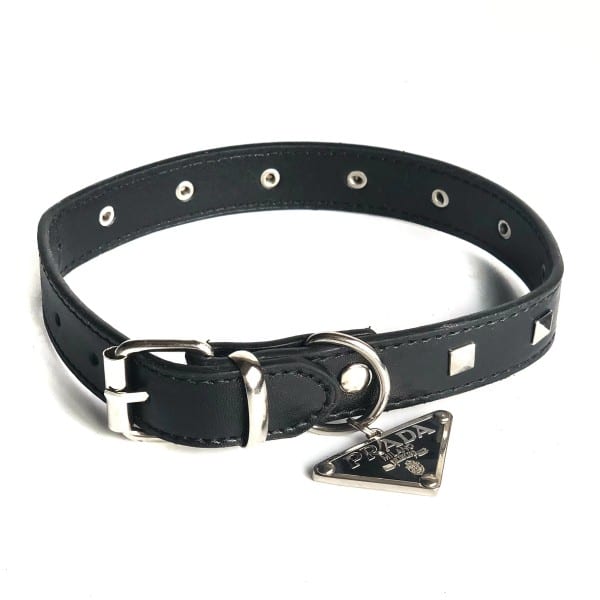
Best Collar Types for Labradors
Selecting the best collar type for a Labrador depends on the dog’s activity level, training needs, and daily routine. Labradors are active, intelligent, and playful, so the collar must support a wide range of activities from casual walks to swimming, hiking, and leash training.
Flat Collar for Everyday Labrador Use
A flat collar is the most versatile option for everyday use. It holds ID tags securely, is easy to wear around the house, and works well for calm walks or low-energy outings. Flat collars with a buckle fastener provide strong, reliable closure, while both fabric and leather versions can offer comfort and durability. Flat collars are particularly suitable for adult Labs that are already trained to walk calmly on a leash and do not attempt to back out of their collar.
Waterproof BioThane Collars for Swimming Labs
Because Labrador Retrievers are historically waterfowl retrievers and active water lovers, a standard collar can quickly become a soggy, smelly mess. For Labs that frequently swim in lakes or run through muddy trails, BioThane is the gold standard. BioThane is a heavy-duty polyester webbing coated with a high-quality TPU or PVC layer. It is 100% waterproof, odor-proof, and can be wiped clean in seconds with a damp cloth. Unlike traditional nylon, a waterproof BioThane collar won’t absorb lake bacteria, preventing the foul damp-dog smell and protecting your Lab’s neck from moisture-related skin issues.
Martingale Collar for Labradors That Pull or Slip Back
Martingale collars are ideal for Labs that require extra leash control or training. The two-loop design allows the collar to tighten slightly when the dog pulls, providing gentle feedback without choking. While Labradors generally have broad heads that prevent frequent slipping, some active or excitable Labs can benefit from the added security of a martingale, particularly during training sessions. It is important, however, that martingales are never left on unsupervised dogs, as the tightening loop can catch on objects if the dog is off-leash.
Buckle Collar vs Quick Release Collar
Collars are commonly designed with either a buckle or a quick-release clasp. Buckle collars offer a strong, secure closure, ideal for strong adult Labradors who pull on walks. Quick-release collars, in contrast, are easier to put on and remove, making them suitable for daily use or multi-dog households. Regardless of style, hardware quality is the most critical factor for Labs, given their strength, activity level, and potential for leash pulling.
Tactical or Heavy Duty Collars
For strong adult Labradors, tactical or heavy-duty collars are designed to handle extreme outdoor conditions, including hiking, field training, or swimming. These collars often feature reinforced stitching, durable nylon or ballistic materials, and strong metal buckles. While highly durable, these collars may be too heavy for casual daily wear, so owners should balance durability with comfort depending on the Lab’s lifestyle.
Personalized Collars for Labrador ID Safety
Collar personalization adds an extra layer of safety and identification. Embroidered names, phone numbers, or reflective elements can serve as a backup if ID tags fall off. Personalized collars are particularly useful for active or outdoor Labradors, ensuring that owners can locate their dogs quickly and that identification remains visible even during high-energy activities.
Harness vs Collar for Labradors
While collars are essential for ID and casual walks, a harness may be the better option for strong pullers, puppies in training, or dogs with neck sensitivity. A front-clip harness can reduce pressure on the neck and evenly distribute force across the chest, preventing strain on the trachea. Harnesses also enhance control during training or outdoor adventures without compromising safety. For Labrador owners, using a collar in combination with a harness is often the best approach, pairing ID functionality with improved control for high-energy dogs.
Labrador Collar Mistakes to Avoid
Even the best collars can fail to protect or comfort your Labrador if they are used incorrectly or selected without considering the dog’s strength and behavior. Avoiding common mistakes ensures that your Lab stays safe, comfortable, and secure on every walk, swim, or training session.
Choosing a Collar That Is Too Thin
Thin collars may look sleek, but they pose a physical safety hazard for a large breed. Labradors are incredibly powerful pullers. If you use a thin 0.5-inch or 0.75-inch collar, all of that immense pulling force is concentrated into a narrow, sharp pressure point directly against the dog’s throat. This concentrated force can cause bruising, severe chafing, and even long-term damage like tracheal strain or tracheal collapse. For an adult Lab, choosing a wide collar—ideally between 1.5 to 2 inches, is critical because the broader surface area safely distributes pressure across the neck anatomy, protecting their airway if they suddenly surge forward.
Using a Collar That Is Too Loose
A collar that is too loose can slide over the head, snag on objects, or make leash control difficult. Loose collars also increase the risk of accidental escapes and can make swimming or rough outdoor play unsafe. Adjustable collars or properly sized flat or martingale collars help maintain a secure fit while leaving room for comfort.
Leaving a Wet Collar on Too Long
Labradors love water, but their anatomy requires extra care. Labs possess a dense, water-resistant double coat designed to trap heat. When a standard fabric collar gets soaked, it traps moisture directly against this thick undercoat. Leaving a damp collar on a double-coated dog for too long restricts airflow, creating a breeding ground for bacteria. This frequently leads to severe skin irritation, structural hot spots (acute moist dermatitis), and sour odors. Always remove or thoroughly dry your Lab’s collar after swimming, or switch to a non-porous material like BioThane to keep their double coat healthy.
Using a Training Collar as an Everyday Collar
Martingale, prong, or correction collars are designed for specific training or leash control purposes, not for continuous everyday wear. Using them as a daily ID collar can increase the risk of pressure injuries or snagging. Labradors benefit from dedicated daily collars for ID tags, and a harness or training collar should only be used during supervised walks or training exercises.
Ignoring Growth and Weight Changes
Labrador puppies grow quickly, and adult Labs may gain or lose weight depending on activity, diet, or health. Collar fit should be checked regularly, and adjustable collars are ideal to accommodate these changes. Labradors are powerful, thick-necked pullers. A three-finger gap leaves the collar loose enough for an excited Lab to slip its head out when backing away from a leash.
Labrador Collar Comparison Table
To make selection easier, the following table summarizes common collar types for Labradors, highlighting pros, cons, and best use cases. This table is optimized for quick reference and featured snippet potential:
| Collar Type | Best For | Pros | Cons | Best Labrador Use |
| Flat nylon collar | Daily wear | Lightweight, affordable, easy to clean | Less control for pullers | Everyday ID and calm walks |
| Waterproof collar | Swimming and outdoor Labs | Odor resistant, easy to wash | Fewer style options | Water loving Labs |
| Padded collar | Comfort | Reduces rubbing | Can hold moisture if not quick dry | Long walks and sensitive skin |
| Leather collar | Style and durability | Strong, classic, comfortable over time | Needs care, not ideal for frequent swimming | Calm adult Labs |
| Martingale collar | Training and control | Helps reduce slipping and pulling | Not for unsupervised wear | Leash training |
| Reflective collar | Low light walks | Better visibility | May cost more | Night and early morning walks |
| Harness plus ID collar | Strong pullers | Reduces neck pressure | More gear to manage | Pulling Labs or training |
How to Choose the Best Collar for Your Labrador
Selecting the right collar requires considering your Lab’s lifestyle, growth stage, and activity level. Follow these steps to make an informed choice:
Step 1: Identify Your Lab’s Main Need
Determine whether the collar’s primary purpose is daily ID, leash control, swimming durability, puppy growth, or general comfort. Different needs may require different collar types, such as a waterproof collar for active swimmers or a padded flat collar for calm daily walks.
Step 2: Measure Before Buying
Use a soft measuring tape around the dog’s neck where the collar will sit. Leave enough space for three fingers to fit comfortably between the collar and neck. Always compare your measurement with the brand’s size chart to ensure a secure and safe fit.
Step 3: Match Material to Lifestyle
Select collar material based on your Labrador’s activities:
- Swimming Lab → waterproof or neoprene-lined collar
- Calm family Lab → padded flat collar
- Pulling Lab → martingale collar or harness
- Night walker → reflective collar
- Puppy → lightweight adjustable collar
Step 4: Check Weight and Hardware
Ensure the collar is strong enough for leash control but light enough for comfort. High-quality buckles, sturdy D-rings, and durable stitching are essential for Labradors, especially active or pulling dogs.
Step 5: Test the Collar at Home First
Before extended walks, check for proper fit, rubbing, slipping, and buckle security. Ensure the leash attachment is secure and that the collar is comfortable during movement. Adjust as necessary to prevent any strain or discomfort.
-
Dogyard Pattern Designer Dog Collar and Leash
$30.50 – $75.50Price range: $30.50 through $75.50Rated 5.00 out of 5 -
Dogior Prestige Monogram Designer Dog Collar and Leash
$48.50 – $75.50Price range: $48.50 through $75.50 -
Pawcci Premium GG Monogram Designer Dog Collar and Leash
$30.50 – $75.50Price range: $30.50 through $75.50 -
Pawcci DeLuxe Designer Dog Collar and Leash
$31.50 – $71.00Price range: $31.50 through $71.00 -
Furdi Luxury FF Monogram Designer Dog Collar and Leash
$26.00 – $49.50Price range: $26.00 through $49.50Rated 5.00 out of 5


Expert Checklist Before Buying a Labrador Collar
Use this checklist to confirm that your chosen collar meets all Labrador-specific needs and safety standards:
- Fits your Lab’s measured neck size
- Allows two fingers to comfortably rest under the collar
- Width suitable for a strong medium to large dog
- Material is water-resistant or easy to clean
- Hardware is strong enough to handle pulling
- Secure D-ring for leash attachment
- Matches your Lab’s activity level (swimming, hiking, walking, training)
- Adjustable to accommodate growth or weight changes
- Comfortable for daily wear without rubbing or irritation
Final Verdict: What Is the Best Collar for a Labrador?
After considering breed characteristics, activity level, life stage, and collar features, it is clear that there is no single “one-size-fits-all” collar for Labradors. For most adult Labs, the best option is a durable, adjustable flat collar with strong hardware, a comfortable width, and materials suited to the dog’s lifestyle. Flat collars provide daily ID functionality, ease of use, and consistent comfort for calm or trained dogs.
For Labradors that love water or frequent outdoor adventures, a waterproof or quick-dry nylon collar ensures durability, hygiene, and minimal odor, while remaining lightweight for extended activity. Strong or energetic Labs that pull on walks may benefit from a martingale collar during supervised leash training, or pairing a standard ID collar with a no-pull harness to reduce strain on the neck and distribute pressure evenly. Puppies require lightweight adjustable collars to accommodate rapid growth, while senior Labs benefit from softly padded, low-weight collars to protect sensitive necks and prevent rubbing.
By selecting a collar that matches your Lab’s size, strength, coat color, and activity level, you can ensure their safety, comfort, and control during walks, training, swimming, and everyday activities. Explore Labrador-friendly collars at Supreme Dog Garage and choose a collar that fits your Lab perfectly, keeping them secure, comfortable, and stylish throughout every stage of life.
Frequently Asked Questions About Labrador Collars
What size collar does a Labrador puppy need?
A Labrador puppy usually needs a collar that adjusts from 8 to 12 inches at around 12 weeks of age. Because Lab puppies grow incredibly fast during their first year, always opt for a lightweight, highly adjustable flat nylon collar and check the fit weekly using the two-finger rule.
Are harnesses or collars better for Labradors that pull?
If your Labrador is a severe puller, a front-clip harness is highly recommended for active training sessions because it steers the dog from their center of gravity and eliminates neck strain. However, a wide flat collar or a martingale collar should still be worn daily to securely hold their identification and rabies tags.
What collar material is best for a Lab that loves water?
The absolute best material for a water-loving Lab is BioThane or a neoprene-lined tactical strap. These materials do not absorb moisture, dry almost instantly, and prevent bacteria from getting trapped against your Labrador’s dense double coat, effectively eliminating “smelly collar” syndrome.

Top Dog Walking Products for Every Adventure
Make every walk an experience with premium dog walking gear from Supreme Dog Garage. Whether you’re exploring the neighborhood or hitting the trails, our curated selection of leashes, harnesses, collars, and accessories combines style, comfort, and durability, perfect for every pup and their person.
