

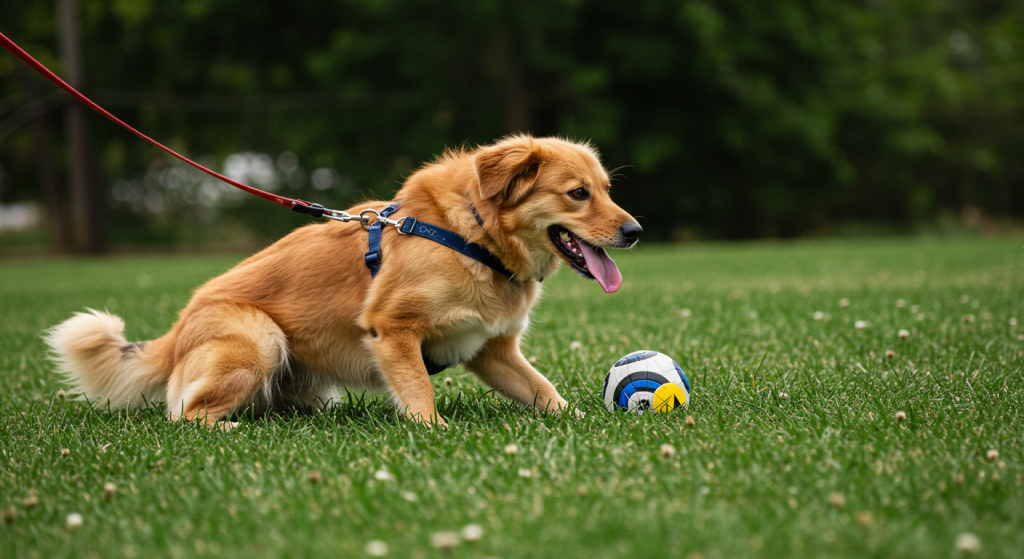
How to Stop Your Dog From Pulling on the Leash
Reviewed and Updated: June 24, 2026
Walking your dog should feel relaxed, but many owners in the United States deal with the same daily issue, your dog starts pulling the moment the leash goes on, turning a simple walk into a struggle. we see this problem most often with energetic dogs, puppies, and even adult dogs that were never properly trained on leash manners. The good part is this behavior is not fixed. It is learned, which means it can be changed with the right system.
The real mistake most owners make is assuming leash pulling is about disobedience or “bad behavior.” In reality, it is usually a habit built over time. When a dog pulls and still moves forward, the brain learns one simple rule: pulling works. That is the point where the problem becomes a cycle. The goal of this guide is to break that cycle and replace it with calm walking behavior that works in real-life US neighborhoods, parks, and busy streets.
Why Dogs Pull on the Leash (Real Behavioral Causes Explained)
Leash pulling starts for a few clear reasons, and understanding them makes training much easier. Most dogs pull because they are excited. Outdoors gives them smells, movement, and sounds that trigger curiosity. That energy pushes them forward faster than the handler is walking. Over time, this speed mismatch becomes normal. Another strong reason is reinforcement. If your dog pulls and reaches something interesting, another dog, a smell, or open space, the behavior gets rewarded. Dogs repeat what works.
Here are the main causes we see in real training situations:
- Excitement and overstimulation outside the home
- Lack of early leash training during puppy stage
- Reinforced pulling behavior (accidental reward)
- High-energy breeds needing more structured control
- Environmental triggers like traffic, people, or other dogs
A key fact many owners miss is this: Dogs are not trying to “lead” you. They are simply following what feels rewarding in that moment.
Pulling vs Proper Walking – What Your Dog Is Actually Learning
There is a big difference between a dog that walks properly and a dog that pulls. Most owners think leash walking means “stay beside me perfectly,” but that is not always realistic for everyday life. In most real-world walks, we focus on loose-leash walking, which means the leash stays relaxed without constant tension. The dog is allowed to explore but stays aware of the handler.
Here is how both patterns differ:
Behavior Type | What Happens | What Dog Learns |
Pulling | Tight leash, forward pressure | Pulling gets rewards (movement) |
Loose leash walking | Slack leash, controlled movement | Calm walking leads to progress |
Heel position | Dog stays beside owner | Strict obedience control |
Most people jump straight into heel training, but that creates frustration. Loose-leash walking is usually the better starting point because it fits real daily walks in US parks, sidewalks, and suburban streets.
The Training Goal That Actually Works (Loose-Leash Psychology)
Before training starts, we always set a clear goal with owners: the goal is not perfection, it is control and calm movement. Loose-leash walking works because it changes how the dog thinks about walking. Instead of chasing the environment, the dog learns that staying calm keeps the walk moving forward.
Dogs learn through simple feedback loops:
- Pull = walk stops or slows down
- Calm leash = walk continues
This is where most training succeeds or fails. If pulling still gets results, the behavior stays. If pulling removes reward, the behavior starts fading.
A simple truth we always share with dog owners: Your dog is not ignoring you. Your timing is just not clear enough yet.
Setting Up for Success Before Leash Training Begins
Before we start any leash training, we always check the setup first. Training fails when the environment or routine is wrong, even if the method is correct. Good leash training depends on three things:
- Right timing
- Right environment
- Right energy level
If a dog is full of energy, the first walk will usually fail. That is normal. In that case, we suggest a short play session or mental stimulation before leash work. Another important factor is session length. Long walks during early training often backfire. Dogs lose focus, and pulling returns.
A better structure looks like this:
- 5–10 minute focused leash session
- Low distraction area (backyard or quiet street)
- Short breaks between training attempts
- Calm exit from the house
One more thing we always emphasize: your own energy matters. Dogs react to tension, fast movement, and frustration. Calm handling leads to faster progress.
Teaching Leash Pressure Yielding (The Indoor Foundation)
Before taking your dog out, they must understand what leash tension actually means. In a quiet room, put the leash on, apply a gentle, steady tug, and hold it (do not yank). The moment your dog takes a step toward you to release that pressure, mark it with “Yes!” and give a treat. Repeat this until your dog automatically moves toward you the second the leash tightens. Mastering this indoors makes outdoor training twice as easy.
Essential Walking Rules That Prevent Reinforcing Bad Behaviour
This is where many owners accidentally make the problem worse without realizing it. There are a few rules we always follow in training:
Rule 1: Never allow pulling to move the walk forward
If the dog pulls and still moves ahead, the behavior gets stronger.
Rule 2: Be consistent every single time
Even allowing pulling “just once” teaches the dog that rules change.
Rule 3: Reward timing matters more than reward amount
Late treats do not connect behavior with result.
Rule 4: Keep early training predictable
Dogs learn faster when feedback is simple and repeatable.
Choosing the Right Leash System for Control & Communication
Leash type is not just equipment, it changes how communication works.
For training, we always recommend:
- 4–6 ft fixed leash
- Strong but comfortable grip
- No retractable systems during the training phase
Retractable leashes give too much freedom too early. They remove structure and make it harder for the dog to understand boundaries.
A simple comparison:
Leash Type | Training Use | Result |
Fixed leash | Best for control | Fast learning |
Retractable leash | Not recommended early | Reinforces pulling |
Double-ended leash | Advanced control | Better direction handling |


Core Training System That Stops Leash Pulling
Once the basics are clear, the real change starts on the walk itself. This is the stage where most dog owners either improve quickly or stay stuck for months. The difference usually comes down to how consistent the training system is, not how strong the dog is or how “stubborn” they seem.
A dog should learn one clear rule: pulling never moves the walk forward, but calm walking does. Once that message becomes consistent, behavior starts to shift naturally over time.
Stop-and-Start Method (Breaking the Pulling Habit)
One of the first things we use during leash training is the stop-and-start approach. It sounds simple, but it changes how the dog connects movement with behavior. The moment the leash gets tight, we stop walking completely. we don’t pull back or talk too much. we just remove movement. At first, most dogs try to fix the situation by pulling harder. That is normal because they are used to pulling working. But when they realize the walk no longer continues while they pull, something important changes. They begin to experiment with loosening the leash to get movement again.
The key here is patience. Even a few seconds of consistency in each walk starts to build a new pattern in the dog’s mind. Over time, they start offering a loose leash naturally because that is what keeps the walk going.
Direction Change Method (Resetting Attention)
Another method we use often is changing direction the moment pulling begins. Instead of fighting the leash or correcting the dog physically, we simply turn and walk the other way. This creates confusion in a helpful way. The dog is no longer able to predict where they are going, so they start paying more attention to the handler instead of the environment. That shift is very important, especially in busy places like parks, sidewalks, or neighborhoods where distractions are constant.
After a few repetitions, most dogs start checking in more often. They begin to understand that staying close is what keeps the walk smooth and predictable. It also reduces frustration because there is no long correction or pressure involved, just movement change.
“Be a Tree” Technique (Teaching Patience Through Stillness)
There are moments in training where we don’t move at all. This is the “be a tree” approach. When the dog pulls, we simply stand still and wait. No leash tugging, no verbal commands, no interaction. This moment of stillness sends a clear message. Pulling does not lead anywhere. Dogs that are used to forward movement get slightly frustrated at first, but they quickly start adjusting their behavior when they realize calmness is what restarts the walk.
What makes this method effective is that it removes pressure from both sides. Instead of a physical correction, the dog learns through cause and effect. Pulling creates silence and pause, while calm walking creates motion again.
Reward-Based Walking (Building the Right Habit)
Training doesn’t work if it only focuses on stopping bad behavior. Dogs also need to understand what the correct behavior feels like. That’s where reward timing becomes important. When a dog walks beside me with a loose leash, we immediately reinforce it. The reward doesn’t have to be big or dramatic. It can be a small treat, a soft praise, or even just continued walking. What matters is timing. The reward must happen during the correct behavior, not after it.
Rewarding the “Sweet Spot” with High-Value Treats When practicing reward-based walking, focus on the Sweet Spot, the area right next to your leg where the leash hangs in a relaxed, J-shape. Always deliver the treat exactly in this zone so your dog associates that specific position with rewards.
Keep in mind that standard kibble won’t work in highly distracting outdoor environments. To compete with squirrels, traffic, and other dogs, you must use high-value treats that your dog rarely gets, such as freeze-dried liver, small pieces of cooked chicken, or cheese. This keeps their focus entirely on you.
This builds a strong connection in the dog’s mind. They begin to understand that calm walking creates positive outcomes. Over time, they start choosing that behavior more often without being asked. The biggest mistake we see is delayed rewards. When the timing is off, the dog connects the reward to something else, not the walking behavior itself. That slows down progress significantly.
Controlling the Start of the Walk (Most Ignored Step)
Most leash problems don’t actually begin outside. They begin at the door. The moment the leash comes out, many dogs already switch into excitement mode. If that energy is not controlled, the pulling starts before the walk even begins. we always slow down this moment. The dog needs to be calm before the leash is attached. Then we make them wait before the door opens. Only when the leash is loose and the dog is not rushing do we step outside.
Those first few seconds set the tone for everything that follows. If the start is rushed, the walk usually becomes chaotic. If the start is calm, the rest of the walk is much easier to manage. This simple change alone fixes a large percentage of leash problems we see in daily training.
Choosing Equipment That Supports Training
Equipment can make training easier, but it never replaces the training itself. we always choose tools based on control and communication, not force. A standard fixed leash, usually around four to six feet, gives the best balance. It keeps the dog close enough for communication but still allows natural movement. we avoid retractable leashes during training because they remove structure and often encourage pulling without consequences.
For dogs that are strong pullers, a front-clip harness can help redirect forward pressure to the side. It doesn’t stop pulling on its own, but it makes the dog easier to guide while training is happening. For dogs that are strong pullers, a front-clip harness is a game-changer. Unlike standard harnesses that trigger a dog’s opposition reflex to pull harder, a front-clip design attaches the leash to the dog’s chest. When they try to surge forward, the harness gently redirects their momentum sideways, turning their body back toward you.
At Supreme Dog Garage, our premium no-pull harnesses and structured walking gear are engineered precisely with this front-clip mechanism to give you effortless steering and maximum control without causing any strain or choking. Head collars like Gentle Leader or Haltwe can also help in stronger cases. They guide the head, which naturally controls the body, but they must be introduced carefully. When used correctly, they give more control in busy environments. When used incorrectly, they can create resistance, so we always treat them as support tools, not solutions.
-
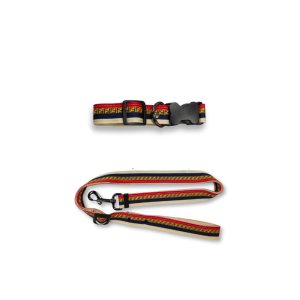
Furdi Multicolor Monogram Designer Dog Collar & Leash Set
$30.50 – $58.50Price range: $30.50 through $58.50 -
Louis Pawtton Hero Brown Checkered Designer Leather Dog Harness and Leash Set
$35.00 – $94.50Price range: $35.00 through $94.50 -
Dogyard Pattern Designer Dog Collar and Leash
$30.50 – $75.50Price range: $30.50 through $75.50Rated 5.00 out of 5 -
Dogior Designer Dog Walking Set (Collar, Harness, Leash, Bowtie, Bag)
$17.00 – $94.50Price range: $17.00 through $94.50


Why Most Training Fails at This Stage
A lot of dog owners feel stuck at this point because progress is not always immediate. The biggest issue we see is inconsistency. One day the dog is corrected, the next day pulling is allowed, and the next walk uses a different method again.
Dogs learn from repetition, not intention. If the rule keeps changing, they continue pulling because the outcome is unpredictable. Another common issue is walking too long too early. When sessions go beyond what the dog can focus on, pulling returns naturally. Short, controlled sessions always work better in the early stages. The truth is simple: dogs don’t fail training systems. The system either stays consistent or it doesn’t.
Real-Life Walking Problems (Where Training Gets Tested)
Once the basic leash training starts working, the real challenge appears outside in everyday life. Dogs don’t always pull in quiet areas; they often lose control when the environment becomes unpredictable. This is where many owners feel the training “isn’t working,” but in reality, it just needs real-world application. In busy streets, parks, or neighborhoods in the United States, dogs face constant stimulation. Cars, people, other dogs, smells, and sudden movement all compete for attention. A dog that understands leash rules at home may still struggle outside because the environment is doing most of the talking.
What we focus on here is reducing pressure, not increasing control. Instead of trying to force calm behavior, we shorten walks, increase focus breaks, and reward any moment where the dog chooses to stay connected with me instead of reacting to everything around them.
How to Handle Overexcited Dogs During Walks
Some dogs become excited the moment they step outside. This is especially common in young dogs and high-energy breeds. In these cases, we never start walking immediately. we first let the excitement settle before any movement begins. A simple way we handle this is by standing still for a few seconds at the beginning of the walk. If the dog is jumping or pulling, we don’t move forward. Once the leash relaxes, even slightly, we begin walking again.
This teaches the dog a very important pattern: calm behavior starts the walk, not excitement. Over time, that small habit reduces the intensity of the initial pull and makes the entire walk easier to control.
Dog-to-Dog Encounters and Distractions
One of the most common issues owners face is what happens when another dog appears. Many dogs immediately start pulling toward them, and this is where leash reactivity can begin to develop if not managed properly. In these situations, we focus on distance first. we don’t expect the dog to behave perfectly up close. Instead, we create enough space where the dog can notice the trigger but still stay under control.
When the dog looks at the trigger and then looks back at me, we reward that moment. That simple exchange slowly builds better focus in distracting environments. Over time, the dog learns that staying connected to the handler is more rewarding than reacting to everything around them.
Training Based on Dog Type (Why One Method Doesn’t Fit All)
Not every dog responds the same way, and this is where many generic guides fail. we always adjust leash training based on the dog’s age, background, and energy level.
Puppies
With puppies, the goal is not perfect walking. It is early habit building. Short sessions work best, and every calm step beside the handler is rewarded. At this stage, prevention is more important than correction.
Adult Dogs
Adult dogs often come with established habits. Here, the focus shifts to breaking the reinforcement cycle. Consistency is key, because the dog already expects pulling to work. It takes time for that expectation to change.
High-Energy and Working Breeds
Breeds like retrievers, shepherds, and huskies usually need more structured energy release before leash training. Without that, they struggle to stay focused. Mental stimulation combined with short leash sessions works better than long walks.
Rescue Dogs
Rescue dogs may come with fear, confusion, or no leash experience at all. In these cases, trust-building comes first. we avoid pressure and focus on slow exposure so the dog feels safe during movement.
How Long It Takes to Stop Leash Pulling
One of the most common questions we get is how long this process takes. The honest answer is that it depends on consistency, not just technique. Here is a realistic timeline based on training experience:
Time Period | What Usually Happens |
Week 1 | Dog starts noticing leash stops and direction changes |
Week 2–3 | Pulling begins to reduce in short sessions |
Week 3–5 | Loose leash behavior becomes more common |
After Week 5 | Behavior becomes more stable in real environments |
Some dogs improve faster, especially younger ones. Others take longer if pulling has been reinforced for years. The key factor is repetition in real walking situations, not just controlled training sessions.
When Progress Stalls (What Most Owners Miss)
Sometimes training seems to stop working. In most cases, it is not the method, it is inconsistency or environment overload.
Common reasons progress slows down:
- Training only in easy environments
- Allowing pulling during “quick walks”
- Long gaps between training sessions
- Switching methods too often
When this happens, we always go back to basics. Short walks, clear rules, and consistent feedback usually fix the issue.
When to Get Professional Help
There are cases where self-training becomes difficult. If a dog shows strong leash reactivity, fear-based pulling, or aggressive behavior toward other dogs or people, working with a professional trainer can help speed up progress.
A trainer can:
- Identify hidden behavior triggers
- Adjust timing and distance strategies
- Create a structured behavior plan
- Help correct unsafe walking patterns
In more complex cases, a veterinary behavior consultation may also be needed, especially if anxiety or stress is involved.
Frequently Asked Questions
Why does my dog pull so hard on the leash?
Most dogs pull because it has worked in the past. If pulling leads to movement, the behavior becomes stronger over time.
What is the fastest way to stop leash pulling?
The fastest progress comes from stopping movement when pulling happens and rewarding loose leash walking immediately.
Should we stop walking when my dog pulls?
Yes. Stopping removes the reward for pulling and helps the dog understand that calm walking controls movement.
Do no-pull harnesses really work?
They help control pulling, but do not fix the behaviour alone. Training is still required.
Can adult dogs learn loose leash walking?
Yes. Adult dogs can learn, but it may take more consistency because habits are already formed.
Final Thoughts (Building Long-Term Walking Behaviour)
Leash training is not about control; it is about communication. When a dog understands what gets movement and what stops it, behaviour starts to shift naturally. The goal is not perfect walking every second, but calm, manageable walks where both dog and owner feel comfortable. Small improvements matter. A few seconds of loose leash walking repeated daily becomes a long-term habit. That is what creates real change.
For owners looking to support leash training with the right tools, we usually recommend starting with proper walking equipment rather than random products. A well-fitted harness, a fixed training leash, and structured walking gear can make training easier and safer during the early stages. At Supreme Dog Garage, products like no-pull harnesses, walking leashes, and training gear are designed to support this kind of structured leash training approach. When combined with consistent methods, they help reduce frustration and improve daily walking control.

Top Dog Walking Products for Every Adventure
Make every walk an experience with premium dog walking gear from Supreme Dog Garage. Whether you’re exploring the neighborhood or hitting the trails, our curated selection of leashes, harnesses, collars, and accessories combines style, comfort, and durability, perfect for every pup and their person.
