

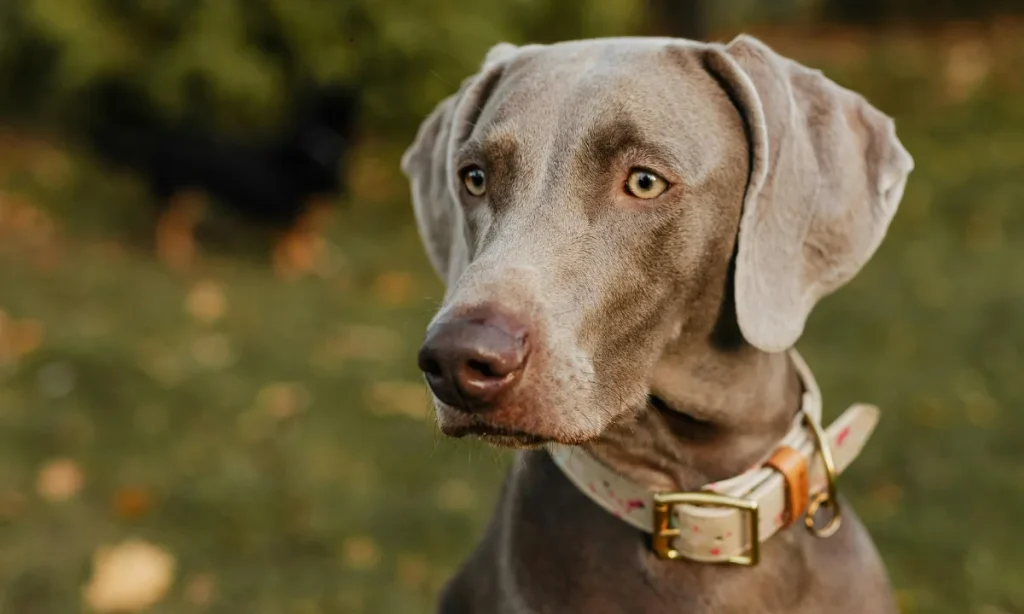
Reasons to Choose a Martingale Collar vs Regular Collar
Choosing the right collar for your dog is more than a matter of style, it can directly affect their safety, comfort, and behavior during walks, training sessions, and everyday activities. Many dog owners face a dilemma: a regular flat collar offers convenience and constant wear for ID purposes, while a martingale collar provides enhanced control and prevents escape for dogs with specific head shapes or leash habits. Selecting the correct collar type ensures that your dog stays secure, avoids injury, and responds well to training. This guide helps you understand the key differences, benefits, and use cases for each collar, making it easier to choose the right option for your pet.
What Is a Regular Flat Collar?
A regular flat collar is the most common type of dog collar, designed primarily for everyday use and holding ID tags. It typically consists of a single strap with a buckle or quick-release mechanism and a D-ring for leash attachment. Flat collars are lightweight, simple to put on, and comfortable for most dogs, making them ideal for calm walkers or dogs that do not pull excessively. Many models also feature quick-release buckles, allowing owners to easily secure or remove the collar without struggle. Materials often include durable nylon, leather, or reflective fabrics, providing a balance between comfort, security, and style. While flat collars are excellent for ID purposes and general wear, they do not provide the gentle correction or controlled tightening needed for dogs prone to pulling or escaping.
What Is a Martingale Collar?
A martingale collar is a specialized two-loop, limited-slip design that tightens slightly when a dog pulls on the leash. Its construction consists of a main loop that rests around the dog’s neck and a control loop that attaches to the leash. When the dog pulls, the collar tightens gently, providing instant feedback without causing pain. Martingale collars are especially useful for escape-prone dogs or narrow-headed breeds, such as Greyhounds, Whippets, Shelties, and other sighthounds whose heads are often narrower than their necks. Unlike choke or prong collars, martingales distribute pressure evenly, protecting the trachea and neck while offering a humane method of control. They are also beneficial for puppies, senior dogs, or dogs with sensitive necks, making them versatile for a variety of training and daily use scenarios.
Key Differences Between Martingale and Regular Flat Collars
To better understand why a martingale collar may be preferable in certain situations, it helps to compare the two side by side:
Feature / Function | Regular Flat Collar | Martingale Collar |
Design | Single strap, fixed size | Two-loop, limited-slip design |
Primary Purpose | Everyday wear, ID tags | Escape prevention, leash training collars |
Fit Adjustment | Manual, fixed size | Tightens slightly under tension |
Suitable Breeds | Most dogs | Narrow-headed, escape-prone dogs (Greyhounds, Whippets) |
Training Benefits | Minimal correction | Gentle feedback for leash control |
Safety Considerations | Safe for unsupervised wear | Supervised use recommended; prevents choking when fitted properly |
Material Options | Nylon, leather, quick-release buckles | Nylon, leather, chain, custom patterns, nameplates |
This comparison illustrates that martingale collars excel in controlled tightening and preventing escapes, while flat collars remain ideal for calm dogs and constant ID wear. Understanding these differences is essential for dog owners who want to balance safety, comfort, and training effectiveness.


Key Reasons to Choose a Martingale Collar Over a Regular Collar
Martingale collars offer several advantages that make them the preferred choice for certain dogs and situations. Understanding why these collars are effective can help owners select the right collar for escape-prone, narrow-headed, or leash-training dogs. Unlike regular flat collars, which are primarily for everyday wear and holding ID tags, martingales provide controlled tightening to ensure safety, comfort, and improved behavior during walks.
Martingale Collars Prevent Escapes More Effectively
One of the most important martingale collar benefit is its ability to prevent dogs from slipping out of the collar. Dogs with narrow heads or unique neck structures, such as sighthounds, Greyhounds, Whippets, and Italian Greyhounds, are particularly prone to escaping standard flat collars. The two-loop design of a martingale allows the collar to tighten slightly when the dog pulls or backs out, keeping it secure without choking. This controlled tightening is especially useful for dogs that panic, react suddenly, or try to slip away during walks or trips outside. For owners, this means greater peace of mind knowing their dog remains safely secured, even in unpredictable or high-distraction environments.
Better Control During Leash Training
Martingale collars also provide gentle corrective feedback during leash training. When a dog pulls on the leash, the limited-slip tightening mechanism signals the dog to adjust its behavior, helping reduce pulling without applying harsh force. This encourages proper leash manners and makes walking a more controlled and enjoyable experience for both the dog and the owner. Trainers often recommend martingales over choke or prong collars, as they allow subtle corrections without causing pain or injury. For puppies, seniors, or dogs learning new leash behaviors, martingale collars provide an effective way to teach obedience while maintaining safety and comfort.
Safer Pressure Distribution and Reduced Neck Strain
Another advantage of martingale collars is even pressure distribution across the neck. Unlike regular flat collars, which can create concentrated pressure points when a dog pulls, martingales gently tighten around the neck, avoiding pressure spikes and reducing the risk of tracheal or neck strain. This makes them especially beneficial for dogs with delicate necks, sensitive tracheas, or medical conditions that make them more prone to injury. By distributing pressure evenly, martingale collars prevent collar hazards such as chafing, sores, or breathing issues, making them a safer choice for dogs that require frequent or long walks.
Martingale Collars Work for Multiple Dog Types
Martingale collars are versatile and suitable for a wide range of dogs. Puppies benefit from the gentle guidance during early leash training, which helps them develop proper walking habits without causing discomfort. Senior dogs with sensitive necks or compromised tracheas gain from controlled pressure that reduces the risk of strain. Active or energetic dogs are less likely to escape in unpredictable environments, and the adjustable design of many martingale collars allows owners to customize the fit based on neck measurement and behavior-based collar selection. This versatility makes martingale collars an ideal solution for dogs of varying ages, sizes, and activity levels.
When a Regular Collar Is the Better Choice
While martingale collars have many benefits, they are not always necessary. Regular flat collars remain the best choice for certain dogs and situations. These collars are ideal for dogs that do not pull excessively, escape easily, or require training corrections.
Every day, All‑Day Wear
Regular collars can be worn comfortably throughout the day, making them perfect for holding ID tags and contact information. Many owners leave flat collars on their dogs even when indoors because they are lightweight and safe for continuous use. Unlike martingales, which require supervision to prevent snagging or improper tightening, flat collars are generally suitable for all-day wear without risk.
Calm Walkers and Non‑Pullers
Dogs that walk calmly on a leash and do not attempt to escape rarely need the tightening feature of a martingale. For these dogs, a regular collar use for sufficient control and comfort, and the lack of a tightening mechanism reduces unnecessary pressure on the neck. Owners of calm or well-trained dogs often prefer flat collars for ease of use and comfort, ensuring that their dogs can enjoy walks and daily activities without restriction.
Quick-Release and Ease of Use
Another advantage of regular collars is the quick-release buckle, which allows owners to put on or remove the collar quickly. This feature is especially useful for busy households, routine trips outside, or multi-dog households where collars need to be switched frequently. Flat collars are simple, durable, and efficient for everyday activities, making them an excellent choice for dogs that do not require the specialized functions of a martingale collar.
-
Dogior Prestige Monogram Designer Dog Collar and Leash
$48.50 – $75.50Price range: $48.50 through $75.50 -
Pawcci Premium GG Monogram Designer Dog Collar and Leash
$30.50 – $75.50Price range: $30.50 through $75.50 -
Woof-White Ultimate Black Designer Dog Collar and Leash
$29.00 – $48.00Price range: $29.00 through $48.00Rated 5.00 out of 5 -
Furry Berry Plaid Bow Tie Dog Collar And Leash
$20.00 – $35.00Price range: $20.00 through $35.00 -
Furdi FF Monogram Designer Dog Harness And Leash
$26.00 – $57.50Price range: $26.00 through $57.50Rated 5.00 out of 5


How to Choose Between Martingale and Regular Collars
Selecting the right collar requires evaluating your dog’s behavior, breed, head shape, and training needs. Begin by assessing your dog’s escape tendencies, pulling strength, and training stage. Dogs that are escape-prone or require additional leash control benefit most from a martingale collar, while dogs that walk calmly, are well-trained, or primarily need ID wear are well-suited for a regular flat collar.
Next, consider breed and neck shape. Narrow-headed breeds like Greyhounds, Whippets, and Shelties are ideal candidates for martingale collars because their heads can easily slip through standard collars. Dogs with broad necks or those unlikely to escape may do fine with a flat collar. Finally, match the collar type to your goals: martingale collars excel in training and controlled walks, while regular collars are better for daily walks, comfort, and ID purposes.
To simplify the selection process, owners can use a checklist:
- Evaluate the dog’s pulling behavior and escape risk.
- Measure neck and head dimensions.
- Decide whether training correction or everyday wear is the priority.
- Choose adjustable collars for dogs that grow, have seasonal coat changes, or are in training.
- Inspect collar materials, buckles, and design to ensure safety and comfort.
By following this approach, dog owners can make an informed decision and choose the collar type that best fits their dog’s behavior, size, and lifestyle.
Pitfalls to Avoid When Using Either Collar
Even with the right collar, improper use or fit can compromise safety and comfort. Being aware of common pitfalls ensures your dog stays protected and happy during walks and training sessions.
Martingale Collar Safety Tips
When using a martingale collar, it is essential to maintain a snug but not restrictive fit. The collar should tighten gently when the dog pulls but never squeeze the neck or trachea. Always monitor your dog while wearing a martingale, particularly during walks, as unsupervised off-leash use can be dangerous if the collar catches on fences, furniture, or other objects. Regular inspection of the collar’s hardware, stitching, and material is critical to ensure it remains secure and functional. By following these guidelines, martingale collars can provide controlled, safe correction without causing injury or discomfort.
Regular Collar Precautions
While regular flat collars are generally safe for everyday wear, there are still precautions owners should take. Ensure the collar fits securely enough to avoid slippage over the dog’s head, particularly for dogs with narrow heads or small necks. Flat collars are best used for ID tag attachment and calm walks, and they should not be relied upon for training or controlling escape-prone dogs. Regularly check the fit and hardware to prevent wear or accidental release, keeping your dog safe while maintaining comfort.
Frequently Asked Questions
Are martingale collars safe for all dogs?
Yes, martingale collars are safe for most dogs when fitted correctly. They provide gentle tightening without choking and are especially helpful for escape-prone or narrow-headed breeds like Greyhounds, Whippets, and Shelties.
Can a regular collar fall off while walking?
Yes, if a flat collar is too loose or the dog has a head narrower than its neck, it may slip off. Regular collars are most secure for calm walkers and should be checked for proper fit.
Can martingale collars cause choking?
No, when used properly, martingale collars tighten only to a safe limit. The controlled, limited-slip design prevents choking while still giving gentle corrective feedback.
Should puppies wear martingale collars?
Yes, but with supervision. Martingale collars are effective for puppies learning leash behavior, providing gentle guidance without harming developing necks.
Do I need a harness instead?
A harness can be an alternative for dogs that pull excessively or have medical concerns affecting the neck. For controlled walks and training, martingale collars often provide sufficient feedback, while flat collars are fine for everyday wear.
Summary: Martingale vs Regular Collar
Choosing the right collar depends on your dog’s behavior, breed, and training needs. Martingale collars are ideal for dogs that are escape-prone, narrow-headed, or in training. They provide gentle correction, prevent slipping, and distribute pressure evenly to reduce the risk of neck strain. Regular flat collars remain the best choice for calm walkers and daily wear, offering comfort, ID security, and easy use with quick-release buckles.
Ultimately, understanding your dog’s size, leash habits, and training requirements ensures that the collar you choose maximizes safety, comfort, and control. For a wide selection of high-quality martingale and regular collars, including durable, adjustable, and stylish options, visit Supreme Dog Garage. Explore collars designed to fit your dog perfectly and keep them safe, secure, and comfortable on every walk.

Top Dog Walking Products for Every Adventure
Make every walk an experience with premium dog walking gear from Supreme Dog Garage. Whether you’re exploring the neighborhood or hitting the trails, our curated selection of leashes, harnesses, collars, and accessories combines style, comfort, and durability, perfect for every pup and their person.
