

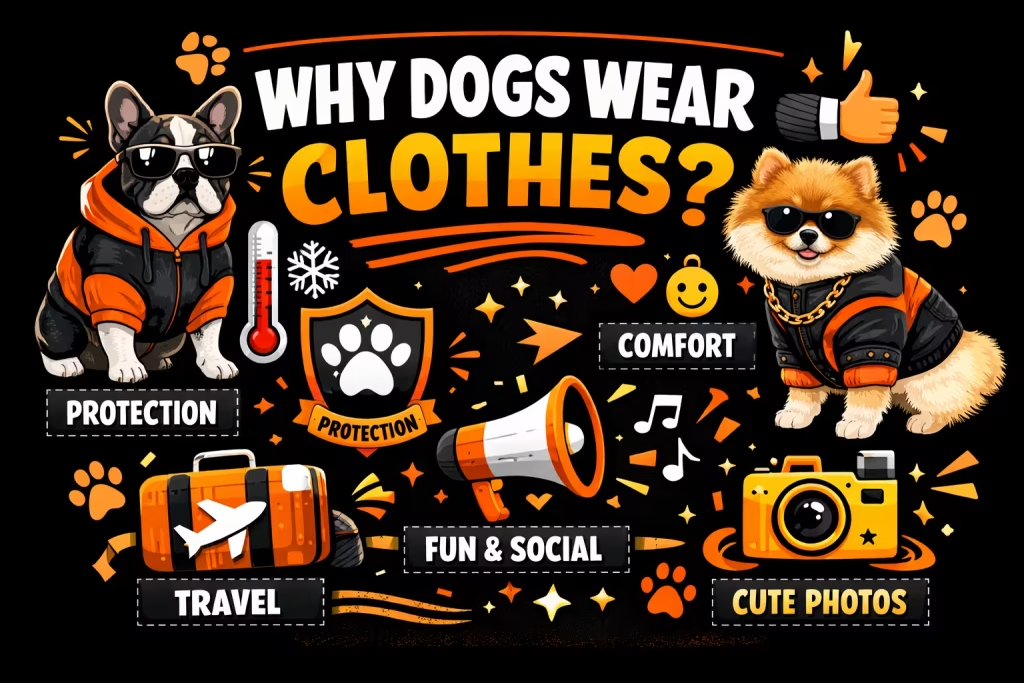
Why Dogs Wear Clothes
As a responsible pet owner, you’ve likely wondered whether your dog needs clothes. Is it simply about fashion, or could clothing serve a more practical purpose? For many pet owners, clothing for their dogs goes beyond just making them look cute. Whether you’re protecting your dog from extreme temperatures, managing medical conditions, or just adding a little flair, the decision to dress your dog can be beneficial for their health and safety. But how do you know when it’s necessary, and what clothes are best for your dog?
In this guide, we’ll explore the reasons why dogs wear clothes, covering everything from biological factors to health benefits and how to choose the best clothing for your dog’s specific needs. By the end, you’ll have a clearer understanding of how clothing can keep your furry friend safe, healthy, and comfortable in various weather conditions.
Biological Factors and the Need for Dog Clothing
Fur vs. Hair: How It Affects Temperature Regulation
Dogs, like humans, have varying abilities to regulate body temperature. One of the primary factors influencing this is whether a dog has fur or hair. Understanding the difference is crucial in determining whether your dog needs extra protection from the elements.
- Fur: Acts as a natural insulator, keeping your dog warm in colder weather. Breeds like Huskies and Malamutes have thick fur that keeps them comfortable even in freezing temperatures.
- Hair: Lacks the insulating properties of fur, making dogs with hair, such as Poodles, more vulnerable to temperature fluctuations. While hair can provide some warmth, it’s not enough to protect against extreme cold or heat.
Dogs with thin fur or no fur at all (like Chihuahuas, Greyhounds, and Italian Greyhounds) are particularly susceptible to the cold. Without the right clothing, they struggle to maintain their body heat in chilly weather. For these dogs, wearing a warm, insulated coat or sweater is necessary for their comfort and health.
Body Fat & Metabolism: Why Smaller Breeds Struggle
It’s not just about fur or hair; metabolism and body fat also play a significant role in how well dogs can regulate their temperature. Smaller breeds, such as Greyhounds, Whippets, and Dachshunds, have very little body fat and thin skin, making it hard for them to retain heat. This lack of insulation means these dogs are especially vulnerable to cold temperatures, even if they have some fur.
- Lack of body fat: Smaller dogs don’t have the same natural insulation that larger dogs have. This makes them more prone to hypothermia or frostbite during winter months.
- How clothing helps: A snug sweater, thermal coat, or insulated vest can provide the extra layer of protection these dogs need to stay warm. Clothing acts as a safeguard against harsh weather conditions, helping to maintain their body temperature and prevent potential health risks.
These dogs benefit from being dressed in weather-appropriate gear that adds warmth and comfort when outdoors.
Age and Health Considerations: Puppies and Senior Dogs
Dogs at different life stages have varying abilities to regulate their body temperature. Puppies and senior dogs both face challenges when it comes to thermoregulation.
- Puppies: Their metabolic systems are still developing, making it harder for them to regulate their body temperature. They require extra protection, especially in cooler weather.
- Senior Dogs: As dogs age, their metabolic rate decreases, and they may experience a slower ability to generate body heat. This makes older dogs more susceptible to cold weather and puts them at a higher risk for hypothermia.
For both puppies and senior dogs, wearing a well-fitted sweater, coat, or thermal layer can help ensure they remain comfortable. It’s especially important to keep them warm in colder seasons or environments with fluctuating temperatures.
Thermoregulation: Keeping Your Dog Comfortable in Extreme Weather
Thermoregulation is the body’s ability to maintain a stable internal temperature despite external conditions. For many dogs, especially those with thin coats or little body fat, clothing becomes an essential part of maintaining their health in extreme weather.
Winter Protection: Preventing Hypothermia and Frostbite
Dogs with short or thin coats, such as Chihuahuas and Greyhounds, are at high risk of hypothermia and frostbite when exposed to cold weather for prolonged periods. Hypothermia occurs when a dog’s body temperature drops below normal levels, leading to shivering, lethargy, and, in extreme cases, organ failure. Frostbite affects extremities like paws, ears, and tails, causing tissue damage.
- Insulated Coats: These coats trap heat and keep your dog warm. They are especially useful in freezing temperatures or during snow and rain.
- Waterproof Jackets: Waterproof materials keep your dog dry while maintaining warmth, perfect for wet, snowy conditions.
By investing in the right winter gear, such as fleece-lined coats or insulated parkas, you ensure your dog’s safety and comfort when the temperature drops.
Summer Protection: Preventing Overheating and Heatstroke
During the summer months, overheating is a major concern, especially for dogs that are more prone to heat exhaustion. Flat-faced breeds like Bulldogs, Pugs, and Boxers are at higher risk due to their limited ability to regulate body temperature. Additionally, breeds with thin coats or light skin, such as Greyhounds, also require extra protection against the sun’s harsh rays.
- Cooling Vests: These vests are designed to absorb heat and reflect sunlight, keeping your dog cool. Some can be soaked in water and worn to help regulate body temperature.
- UV-Protective Clothing: For dogs with sensitive skin or light-colored coats, UV-rated shirts and sun-blocking fabrics help prevent sunburn and overheating.
Ensuring your dog is equipped with cooling gear or sun protection will help prevent heatstroke and keep them comfortable during outdoor activities on hot days.
Skin Protection & Allergy Management
Dogs, like humans, can suffer from environmental allergies that irritate their skin. For dogs with sensitive skin, wearing clothing can act as a barrier to allergens such as pollen, grass, and dust.
- Allergy Relief: Clothing can help prevent allergens from coming into direct contact with your dog’s skin, reducing the risk of irritation, itching, or allergic reactions.
- Medical Conditions: Dogs recovering from surgery or those with skin conditions like lick granulomas benefit from wearing medical recovery suits. These suits can replace the dreaded cone of shame and provide a more comfortable way to prevent licking of wounds or irritated areas.
By dressing your dog in appropriate clothing, you help manage their allergies and protect sensitive skin, which contributes to their overall well-being.


Safety Gear for Active Dogs
High-Visibility Gear: Ensuring Safety in Low-Light Conditions
When you’re out and about with your dog, especially during early morning or evening walks, your dog must be visible to others. Dogs, especially darker-colored ones, can easily blend into the environment, making them hard to see in low-light conditions. This puts them at risk of accidents, especially in areas with heavy traffic.
- Reflective Jackets: These jackets feature reflective strips that help your dog stand out in the dark. They are particularly useful for walks at dusk or dawn.
- LED Collars and Leashes: Adding LED lights to your dog’s collar or leash can enhance visibility, ensuring that drivers, cyclists, or pedestrians can see your dog from a distance.
- High-Visibility Vests: For dogs that are outside in areas with heavy traffic or in situations where visibility is a concern, a high-visibility vest with neon colors and reflective strips is an essential piece of gear.
By investing in high-visibility clothing and accessories, you can significantly reduce the risk of accidents and ensure that your dog remains safe during low-light walks or outdoor adventures.
Protecting Paws: The Importance of Dog Booties
While most dog clothing focuses on warmth and visibility, it’s important to also consider paw protection, especially for active dogs or those living in areas with harsh environments. A dog’s paws are exposed to a variety of elements, including hot pavement, ice, rough terrain, and even harmful chemicals used to de-ice roads in winter.
- Chemical Protection: Booties can protect your dog’s paws from toxic chemicals such as de-icing salts or antifreeze used in winter, which can cause burns or irritation.
- Hot Pavement: During the summer months, pavement can become extremely hot, often reaching dangerous temperatures that can burn your dog’s paws. Booties can act as a barrier, protecting your dog while walking on heated surfaces.
- Rough Terrain: When hiking or walking in rocky areas, booties can protect against sharp objects, thorns, and rough terrain that might injure your dog’s paws. They also provide extra grip for dogs that have difficulty with balance, such as senior dogs or those with joint issues.
Booties are an often-overlooked piece of protective gear, but they can make a huge difference in your dog’s comfort and safety, especially during outdoor adventures.
Water Safety: Life Jackets for Dogs
If your dog loves swimming, it’s essential to prioritize water safety. Even if your dog is a natural swimmer, it’s important to remember that they can get tired, disoriented, or overwhelmed in the water, just like humans. A life jacket provides the necessary buoyancy and support to keep your dog safe in water.
- Breeds That Need Extra Support: Dogs that are less confident swimmers or that aren’t built for swimming, such as Bulldogs, Dachshunds, and Pugs, can greatly benefit from wearing a life jacket. These dogs have body structures that make swimming more challenging, and a life jacket offers them the extra support they need to stay afloat.
- For Dogs with Health Issues: Senior dogs or dogs with health issues may struggle with swimming due to reduced stamina. A life jacket provides the buoyancy they need to stay safe in the water.
- Choosing the Right Fit: A properly fitted life jacket ensures that your dog can swim comfortably without being restricted. Look for adjustable straps and padded support to provide comfort and mobility.
Life jackets aren’t just for dogs who are new to swimming, they provide peace of mind for all dog owners when near water, whether at the beach, lake, or pool. Ensuring your dog is always safe in the water is an essential part of outdoor fun.
Psychological Benefits of Dog Clothing
Anxiety Relief: How Compression Vests Help Alleviate Stress
One of the lesser-known benefits of dog clothing is its ability to help alleviate anxiety. Dogs, especially those with separation anxiety or fear of loud noises like thunderstorms or fireworks, can experience stress and discomfort in certain situations. Fortunately, compression vests, like Thundershirts, have been shown to have a calming effect on dogs by applying gentle, consistent pressure across their body.
- How Compression Works: The pressure from compression vests mimics the calming effect of swaddling a baby, known as Deep Pressure Therapy (DPT). This method has been proven to reduce anxiety in both dogs and humans by triggering a sense of calmness and security.
- Separation Anxiety: Dogs that suffer from separation anxiety often feel stressed when left alone. A compression vest can provide comfort, helping to ease their anxiety and reduce destructive behaviors.
- Fear of Noise: Dogs that are scared of loud noises, such as fireworks or thunderstorms, can benefit from compression clothing. The gentle pressure helps them feel more secure, reducing their fear and making stressful situations more manageable.
Compression vests are a great tool for pet owners who are looking for a non-invasive way to calm their anxious dogs, particularly in high-stress environments.
The Working Dog Signal: Communicating Through Clothing
Another important role that dog clothing plays is in communication. Just like how a service dog’s vest signifies their working status, various types of dog clothing can signal to the public that a dog is performing a job or requires special care. This can prevent unnecessary interactions, ensuring that the dog can focus on its duties without distractions.
- Service Dogs: Dogs that work as service animals wear distinctive vests that signal to others that the dog is on duty. These vests are designed to alert the public not to approach or distract the dog, allowing them to assist their owner effectively.
- Therapy Dogs: Similarly, therapy dogs wear specific clothing to indicate that they are trained to provide comfort and support in emotional or medical settings. Wearing a vest helps distinguish these dogs from others, ensuring they are not disturbed while performing their important tasks.
- Training Vests: Some dogs in training wear special vests or bandanas to signal to others that they are still learning. This can prevent interference from well-meaning strangers who may inadvertently disrupt the dog’s training process.
By dressing your dog in specific clothing that signifies their role, you help ensure that the public respects their space and purpose, reducing potential stress for both the dog and the handler.
Choosing the Right Dog Clothing: Practical Considerations
Materials: Choosing the Best Fabric for Your Dog’s Needs
When it comes to dog clothing, not all fabrics are created equal. The material you choose for your dog’s outfit plays a significant role in their comfort and the clothing’s effectiveness. Here’s a breakdown of common dog clothing fabrics and their specific benefits:
|
Fabric Type |
Ideal Use |
Benefits |
|
Breathable Cotton |
Summer, casual wear |
Soft, lightweight, breathable, and comfortable for sensitive skin. |
|
Waterproof Nylon |
Rainy or snowy weather |
Provides a waterproof barrier to keep your dog dry and warm. |
|
Insulating Fleece |
Winter, colder climates |
Soft, cozy, and provides excellent warmth without sacrificing breathability. |
|
UV-Protective Fabrics |
Hot summer days or for light-skinned dogs |
Helps shield your dog from harmful UV rays and prevent sunburn. |
Choosing the right fabric depends on the climate and your dog’s specific needs. For instance, cotton is great for casual wear in warmer months, while fleece is ideal for providing warmth during winter walks. Nylon is perfect for keeping your dog dry during rainy weather, and UV-protective fabrics can help prevent sunburns in lighter-colored or thin-coated dogs.
The Measurement Guide: Finding the Perfect Fit
When choosing dog clothing, one of the most crucial factors is ensuring the right fit. Clothes that are too tight can cause discomfort, restrict movement, and even lead to health issues. On the other hand, clothes that are too loose may cause chafing, or your dog might accidentally trip on the fabric. Here’s how to measure your dog for clothing:
- Neck Circumference: Measure around the base of your dog’s neck where the collar would normally sit.
- Chest Girth: This is the most important measurement. Measure around the widest part of your dog’s chest, just behind the front legs.
- Back Length: Measure from the base of the neck (where it meets the shoulders) down to the base of the tail.
Properly measuring your dog ensures a snug, comfortable fit, allowing for a full range of motion and preventing clothes from causing irritation or discomfort. To avoid restricting your pet’s movement, follow the steps on how to measure your dog for clothes to ensure a perfect fit every time.
Safety Check: Avoiding Common Clothing Hazards
When choosing an outfit from a boutique like Supreme Dog Garage, you must look past the style and check for functional safety. While clothing can provide numerous benefits, safety is always the priority. When selecting dog clothes, avoid clothing with small parts such as buttons or embellishments that could be chewed off and swallowed. Always ensure that any fasteners or accessories are securely attached and won’t pose a choking hazard.
In addition, make sure the clothing doesn’t restrict your dog’s movement, especially around the neck, legs, and shoulders. Dogs need to be able to move freely to stay healthy and active, and restrictive clothing can cause long-term physical problems, especially in breeds prone to joint issues or mobility challenges. Beyond the aesthetic, you must prioritize comfort; learn how to dress a dog safely by choosing non-restrictive fabrics and avoiding hazardous fasteners.
-
Louis Pawtton Hero Brown Checkered Designer Leather Dog Harness and Leash Set
$35.00 – $94.50Price range: $35.00 through $94.50 -
Pawcci Designer Dog Harness And Leash Set
$59.50Original price was: $59.50.$39.00Current price is: $39.00.Rated 5.00 out of 5 -
Furry Berry Plaid Bow Tie Dog Collar And Leash
$20.00 – $35.00Price range: $20.00 through $35.00 -
Furdi FF Monogram Designer Dog Harness And Leash
$26.00 – $57.50Price range: $26.00 through $57.50Rated 5.00 out of 5


Respecting Your Dog’s Body Language
Not every dog enjoys wearing clothes, and forcing a garment on a stressed pet can damage your bond. Before heading out, perform a simple tolerance test. If your dog freezes and refuses to move, shows the whites of their eyes, or constantly tries to paw the garment off, they are likely feeling overwhelmed. You can help them get used to clothes by using positive reinforcement, giving treats and praise while they wear a light bandana or shirt for just a few minutes at a time. The goal is for the dog to associate the clothing with a positive experience, like going for a fun walk or getting a special snack.
Seasonal Transition Guide for US Pet Owners
Because the United States covers so many different climate zones, your dog’s wardrobe needs to change with the calendar. A dog in the Pacific Northwest needs waterproof gear above all else, while a dog in the Northeast needs heavy insulation for snow.
- Spring: Focus on lightweight, water-resistant slickers to keep mud off the belly during rain showers.
- Summer: Use light-colored cooling vests and shoes to protect paws from hot asphalt (which can reach 140°F even when the air is only 80°F).
- Fall: A light fleece or windbreaker is usually enough for the crisp morning air.
- Winter: Heavy-duty parkas and rubber-soled boots are necessary for sub-freezing temperatures and road salt protection.
Frequently Asked Questions
Do dogs feel embarrassed wearing clothes?
Dogs do not experience embarrassment in the same way humans do, but they can show signs of discomfort. If your dog seems unhappy or stressed when wearing clothes, it’s important to respect their boundaries.
At what temperature does a dog need a sweater?
Generally, dogs need a sweater when the temperature drops below 45°F (7°C), but this can vary depending on the breed and the dog’s specific needs. Small, short-haired dogs are more vulnerable to the cold and may need extra layers sooner than larger breeds.
Can dogs sleep in clothes?
It’s safe for dogs to sleep in clothes, as long as the clothes are breathable and don’t restrict movement. Choose soft, comfortable fabrics for sleepwear to ensure your dog is comfortable throughout the night.
Do clothes make dogs more anxious?
While some dogs may feel anxious when first wearing clothes, many dogs eventually adjust. Clothes designed for anxiety relief, like compression vests, can actually help reduce stress and provide comfort for anxious dogs.
Final Thoughts: Fashion Meets Function
Dog clothing is a tool that can help your pet stay comfortable, safe, and healthy. When chosen thoughtfully, it serves a functional purpose and provides many benefits. As a responsible pet owner, it’s essential to strike the right balance between fashion and function and ensure that your dog is comfortable in whatever they wear. By considering their health, safety, and comfort, you can make sure that dog clothing is a positive addition to their life.

Top Dog Walking Products for Every Adventure
Make every walk an experience with premium dog walking gear from Supreme Dog Garage. Whether you’re exploring the neighborhood or hitting the trails, our curated selection of leashes, harnesses, collars, and accessories combines style, comfort, and durability, perfect for every pup and their person.
