

How To Tie A Bandana On A Dog
Updated on Septem 11, 2026.
You bought your dog a bandana because it looked cute in the photo, but the moment you tried it on, something felt off. Maybe it slipped sideways within five minutes. Maybe the knot sat too tight under the chin and your dog kept scratching at it. Maybe you just weren’t sure if you were doing it right at all, and you didn’t want to end up on one of those videos where a dog chokes on a loose accessory. This is a more common problem than people admit a bandana looks simple, but a badly tied one is uncomfortable at best and unsafe at worst.
Fold the bandana into a triangle, drape it around your dog’s neck with the point facing down, cross the two ends behind the neck, and tie a flat square knot in front or to the side. The tie should be loose enough to fit two fingers underneath, so it stays comfortable and secure without any risk of choking or rubbing. Once you understand the sizing, folding, and knotting steps in the right order, this becomes a 30-second routine instead of a daily struggle. The rest of this guide walks through each step in detail, along with the safety checks most people skip.
Why How You Tie a Dog Bandana Actually Matters
A bandana that’s tied badly causes more problems than most owners expect. If the knot is too loose, it slips off within minutes, ends up chewed on the ground, or falls somewhere during a walk without you noticing. If the knot is too tight, it rubs against the neck, catches on fur, and leaves your dog pawing at their neck the entire time it’s on. Neither outcome is just a minor inconvenience; a loose bandana can become a tripping or choking hazard if a dog steps on it or gets a paw caught in the fabric, and a tight one causes real discomfort over time, especially on dogs with sensitive skin or thick fur.
A properly tied bandana solves both problems at once. It stays in place through a full walk, holds up during a photo session, and doesn’t need constant readjusting. Bandanas also serve a few functional purposes beyond style, similar to the reasons some owners choose accessories when dogs wear clothes. Shelters use them to signal that a dog is up for adoption, trainers use plain or printed bandanas to mark a dog as “in training” so strangers know not to approach or distract them, and some owners use color-coded bandanas at group events to indicate a dog’s temperament or gender at a glance. In all of these cases, a bandana that stays securely tied matters just as much as a bandana that looks good.
Types of Dog Bandanas (and Why the Tying Method Depends on the Style)
Not every dog bandana is tied the same way, and this is where a lot of confusion starts. Before you follow any step-by-step tying instructions, it helps to know which style of bandana you’re actually working with, since the method changes depending on the design.
| Style | How It Attaches | Best For |
| Tie-on triangle/square | Folded and knotted around the neck | Most versatile option, works with any collar, easy to adjust |
| Slide-on/over-the-collar | Has a loop that threads onto the existing collar | Dogs who chew or pull at knots; not ideal with martingale or slip collars |
| Snap-closure | Fabric secured with a plastic or metal snap | Active dogs who need a fastening that won’t come loose during movement |
| Bib-style/tie-on square | Larger fabric tied loosely, sits like a bib on the chest | Photo styling and layered looks |
The classic tie-on triangle is the most common style and the one most people picture when they think of a dog bandana. It works with any collar setup, adjusts to fit almost any neck size, and is what the rest of this guide focuses on. Slide-on and snap-closure styles skip the knot entirely, which is worth knowing before you spend time trying to tie something that was never designed to be tied.
How to Measure and Size a Dog Bandana Before Tying
GGetting the size right before you even fold the bandana saves a lot of frustration later, so it’s important to measure your dog correctly before choosing a size. A bandana that’s too small won’t leave enough fabric to tie a proper knot, and one that’s too large will hang loose no matter how carefully you tie it. Start by measuring around the base of your dog’s neck, roughly where a collar normally sits, then add two to three inches to that number to allow enough room for a comfortable knot.
| Dog Size | Approx. Neck Measurement | Recommended Bandana Size |
| Small (Chihuahua, Yorkie, Pomeranian) | 8–12 inches | 14″ x 14″ |
| Medium (Beagle, Bulldog, Cocker Spaniel) | 12–18 inches | 18″ x 18″ |
| Large (Labrador, Shepherd, Golden Retriever) | 18–24 inches | 22″ x 22″ |
| Extra Large (Mastiff, Great Dane, Saint Bernard) | 24+ inches | 26″ x 26″ or larger |
These ranges are a starting point, not an exact science, since neck size varies even within the same breed depending on coat thickness and body type. If your dog sits between two sizes, it’s usually better to size up slightly, since a bit of extra fabric is easier to fold down than fabric that’s too short to tie comfortably.
Looking for the perfect bandana for your furry friend? Supreme Dog Garage have wide collection of dog bandanas in various styles, colors, and sizes. Whether you’re looking for a fun holiday design or a personalized bandana, we have something to suit every dog’s personality.


How to Fold a Dog Bandana the Right Way
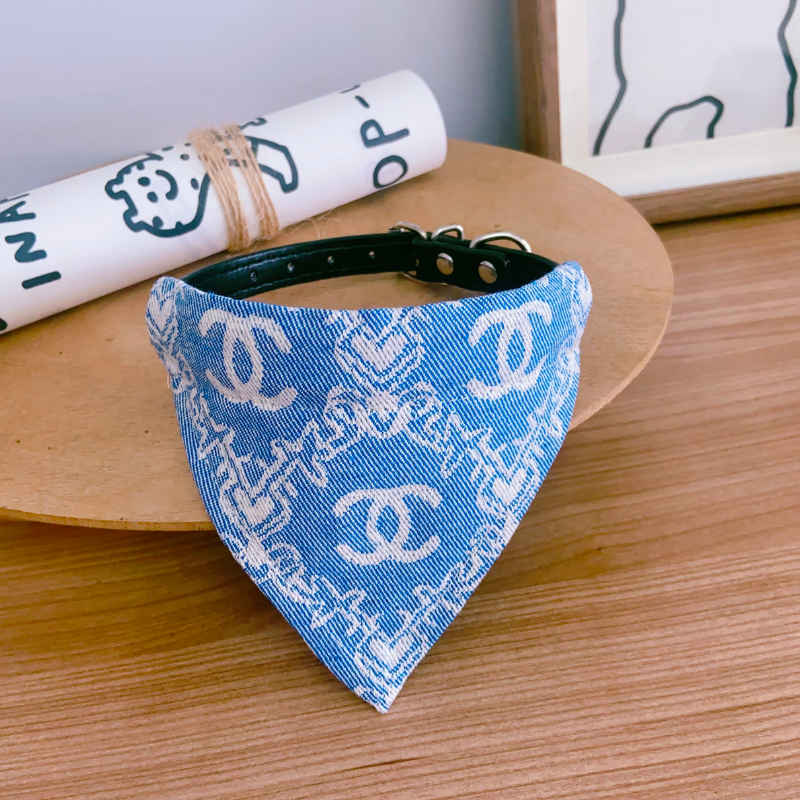
Folding is a separate step from tying, and getting it right makes the actual knot much easier to manage. Start by laying the bandana flat on a clean, even surface so you can see the full square shape before you begin. Fold it in half diagonally, bringing one corner across to meet the opposite corner, which creates a clean triangle shape with the point centered. If you want a slimmer, rolled look instead of a bulky triangle sitting flat against your dog’s chest, fold the long edge of the triangle inward toward the point one or two more times before tying. This rolled style tends to sit neater on smaller dogs and photographs better, while the standard flat triangle works well for everyday wear on any size dog.How to Tie a Dog Bandana: Step-by-Step
Once the bandana is folded, tying it is a quick process that becomes second nature after the first few tries. Follow these steps in order for a secure, comfortable fit every time.- Place the folded triangle against your dog’s chest, with the point facing down toward the ground.
- Bring both ends of the fabric up and around the back of your dog’s neck.
- Cross the right end over the left, then tuck it under and pull gently to form the first half of the knot.
- Cross the left end over the right, tuck it under, and pull again to complete a flat square knot.
- Slide the finished knot to the side of the neck rather than leaving it directly under the chin, since this reduces rubbing and irritation.
- Adjust the fabric so the triangle’s point sits centered on the chest, then step back and check the overall fit.
The Two-Finger Rule: How to Check Bandana Fit and Tightness
After tying the knot, don’t assume the fit is correct just because it looks fine. Slide two fingers flat between the bandana and your dog’s neck to check the tension. If two fingers fit snugly without much extra room, the tie is at a safe and comfortable tightness. If you can’t fit even one finger underneath, the bandana is too tight and needs to be loosened immediately. If it slides around freely with plenty of extra space, it’s too loose and should be tightened slightly. This check isn’t a one-time step. Fabric can shift as your dog moves, scratches, or rubs against furniture, so it’s worth doing a quick two-finger check again after the first few minutes of activity, especially the first time your dog wears a new bandana.Dog Bandana Safety: What Every Owner Should Know
Safety around neck accessories doesn’t get enough attention in most guides, but it’s one of the most important parts of this whole process. A few simple habits prevent almost every common bandana-related problem.- Remove the bandana during unsupervised time, crate rest, or naps, since unattended fabric around the neck carries a higher risk of snagging.
- Take it off before off-leash play or rough activity, where the fabric could catch on branches, fence posts, or another dog’s collar.
- Choose soft, breathable fabric like cotton or flannel over stiff synthetic material, particularly for dogs with sensitive skin or thin fur.
- Check the fabric regularly for fraying threads, loose tags, or decorative add-ons that a dog could chew off and swallow.
- Watch your dog’s behavior the first few times they wear a bandana, since excessive scratching or pawing at the neck is a sign the fit needs adjusting.
Alternative Ways to Put a Bandana on a Dog Without a Knot
Not every dog does well with a tied knot, and that’s fine, because knot-free options exist and work just as well for plenty of situations. Slide-on bandanas have a built-in loop that threads directly onto your dog’s existing collar, making them useful alongside different dog collar options. Snap-closure bandanas use a plastic or metal snap instead of a tie, giving a secure fastening that holds up well during active play or long walks.
These no-knot styles are worth considering for dogs who tend to worry at knots with their teeth or paws, and for owners who want a faster daily routine without folding and tying every time. One important caution applies here: slide-on bandanas that thread onto a collar aren’t a good match for martingale or slip collars, since those collar types are designed to tighten and don’t provide the stable loop a slide-on bandana needs to stay in place correctly.
Styling Tips for Different Occasions
Once you’ve covered the basics, tying a bandana becomes less about function and more about getting the right look for the moment. The same secure square-knot method works across every occasion, but small adjustments change the overall style.
For everyday walks and trips to the dog park, a simple front knot with the point centered on the chest gives a clean, classic look that holds up through normal activity. For photoshoots, tying the knot to the side rather than the front creates a cleaner profile from most camera angles, and the rolled fold mentioned earlier gives a slimmer band that photographs better than a bulky flat triangle. For holidays and seasonal events, themed prints paired with the same secure knot let you switch up the look without changing the technique. For training or identification purposes, plain-color or printed “in training” bandanas tied the same secure way work as a clear visual signal to other people at parks or public spaces, letting them know to keep their distance without needing an explanation.
Common Mistakes When Tying a Dog Bandana
A few repeated mistakes explain most of the bandana problems owners run into. Watching for these makes the whole process go smoother from the first try.
- Using a single loop instead of a square knot. A basic loop can tighten further if a dog pulls or scratches at it, while a flat square knot holds its shape without cinching.
- Tying the knot directly under the chin. This spot causes more rubbing and irritation than tying to the side of the neck, especially during head movement.
- Skipping the sizing step. Forcing a bandana that’s too small leaves no room for a proper knot, while one that’s too large won’t sit correctly no matter how it’s tied.
- Leaving a bandana on unsupervised. Overnight wear or unattended crate time increases the risk of the fabric snagging on something without anyone noticing.
How to Choose the Right Dog Bandana Before You Tie One
If you’re shopping for a new bandana rather than working with one you already own, a few details make a real difference in comfort and how well it holds up over time. Soft cotton or flannel fabric sits more comfortably against the skin than stiff synthetic material, similar to what owners look for in designer dog clothes. Checking the actual sizing against your dog’s measured neck size, rather than guessing based on a generic small, medium, or large label, avoids the sizing problems covered earlier in this guide. The closure type matters too; tie-on styles offer the most flexibility and work with any collar, while slide-on or snap-closure options suit dogs who do better without a knot.
If you’re shopping for a new look, Supreme Dog Garage’s designer dog bandanas and scarves come in soft, breathable fabric with a range of prints that hold up well to regular wear. They pair easily with our dog collars for a matched, everyday-ready look that doesn’t require constant readjusting.
Frequently Asked Questions
How do you tie a bandana on a dog step by step?
Fold the bandana diagonally into a triangle, place it against your dog’s chest with the point facing down, bring both ends around the back of the neck, and tie a flat square knot. Adjust the knot to the side of the neck and check that two fingers fit comfortably underneath.
Should a dog bandana go over or under the collar?
A tie-on bandana can go over an existing collar without issue. Slide-on bandanas are specifically designed to thread onto the collar itself, so they always sit directly on top of it rather than underneath.
How tight should a dog bandana be?
Use the two-finger rule: you should be able to slide two fingers flat between the bandana and your dog’s neck. If it’s tighter than that, loosen it. If it moves around loosely with room to spare, tighten it slightly.
Can dogs wear bandanas all the time?
It’s best to remove a bandana during unsupervised time, naps, and crate rest to avoid any risk of the fabric snagging. For supervised daily wear during walks or outings, a properly fitted bandana is generally fine.
What is the difference between a tie-on and slide-on dog bandana?
A tie-on bandana is folded and knotted directly around the neck, offering the most adjustability. A slide-on bandana has a built-in loop that threads onto an existing collar, skipping the knot entirely.
What size bandana does my dog need?
Measure around the base of your dog’s neck where a collar sits, then match that measurement to a sizing chart, generally 14 inches for small dogs, 18 inches for medium dogs, and 22 inches or larger for large breeds.
Is it safe to leave a bandana on a dog overnight?
No, it’s better to remove any neck accessory before bedtime or unsupervised crate time, since unattended fabric increases the risk of snagging without anyone around to notice.
Can a bandana replace a collar for identification?
No. A bandana can display a printed message or color, but it doesn’t securely hold ID tags or provide the attachment point a leash needs. It works best as a addition to a collar, not a replacement for one.
Key Takeaways
- Measure your dog’s neck and choose the correct bandana size before folding or tying anything.
- Fold the bandana into a triangle first, then tie a flat square knot rather than a single loop.
- Use the two-finger rule every time to confirm the fit is snug but not tight.
- Remove the bandana during unsupervised time, and pay extra attention to fit with brachycephalic breeds.
- Slide-on and snap-closure bandanas are solid knot-free alternatives for dogs who chew at or pull loose tied knots.
If you’re ready to update your dog’s everyday look, Supreme Dog Garage’s bandana and scarf collection offers prints and patterns that pair easily with your dog’s existing collar for a simple, secure style upgrade.

Top Dog Walking Products for Every Adventure
Make every walk an experience with premium dog walking gear from Supreme Dog Garage. Whether you’re exploring the neighborhood or hitting the trails, our curated selection of leashes, harnesses, collars, and accessories combines style, comfort, and durability, perfect for every pup and their person.
