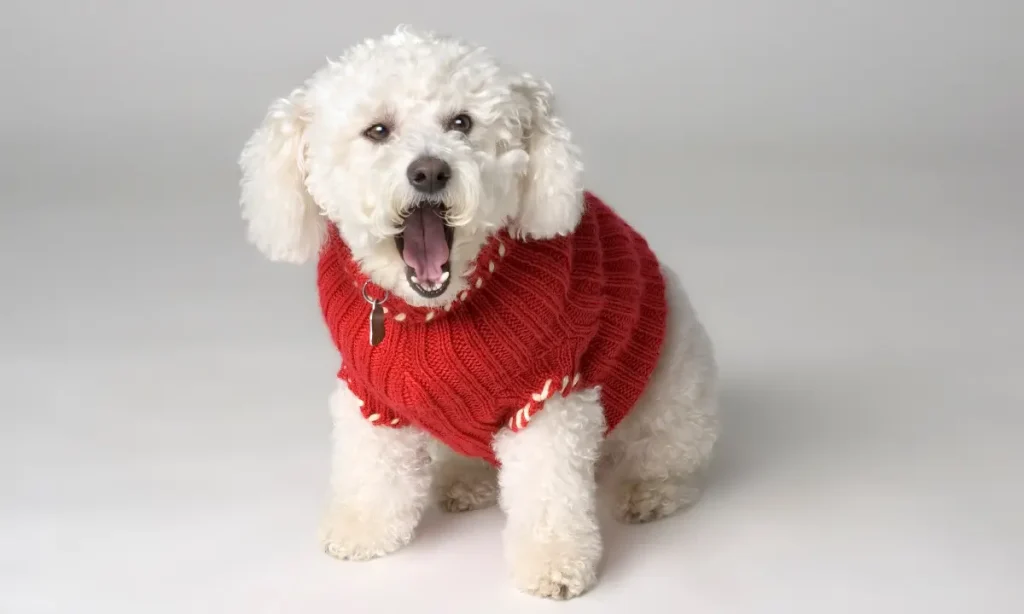
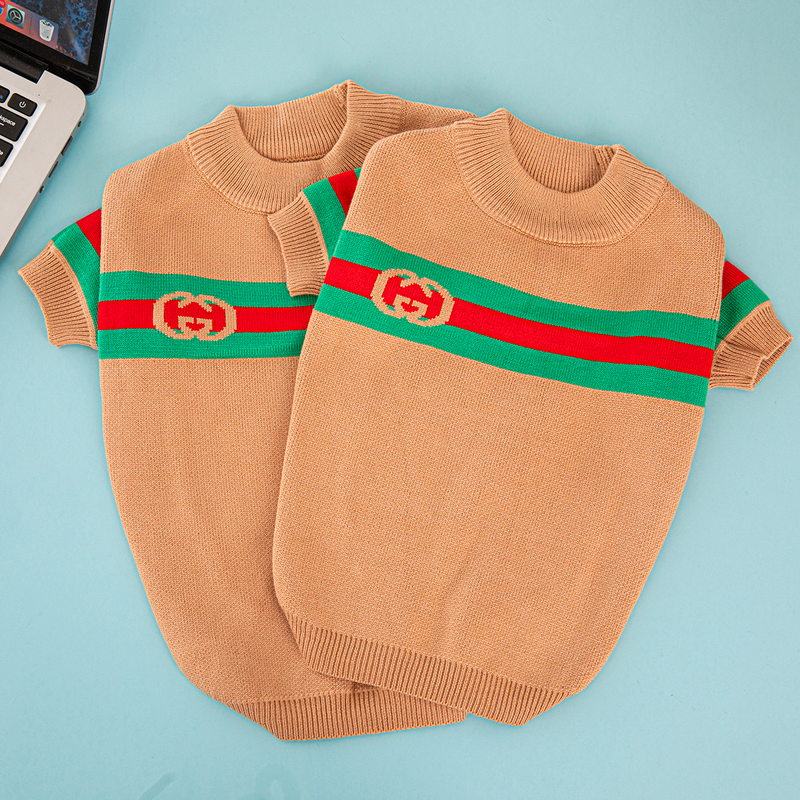
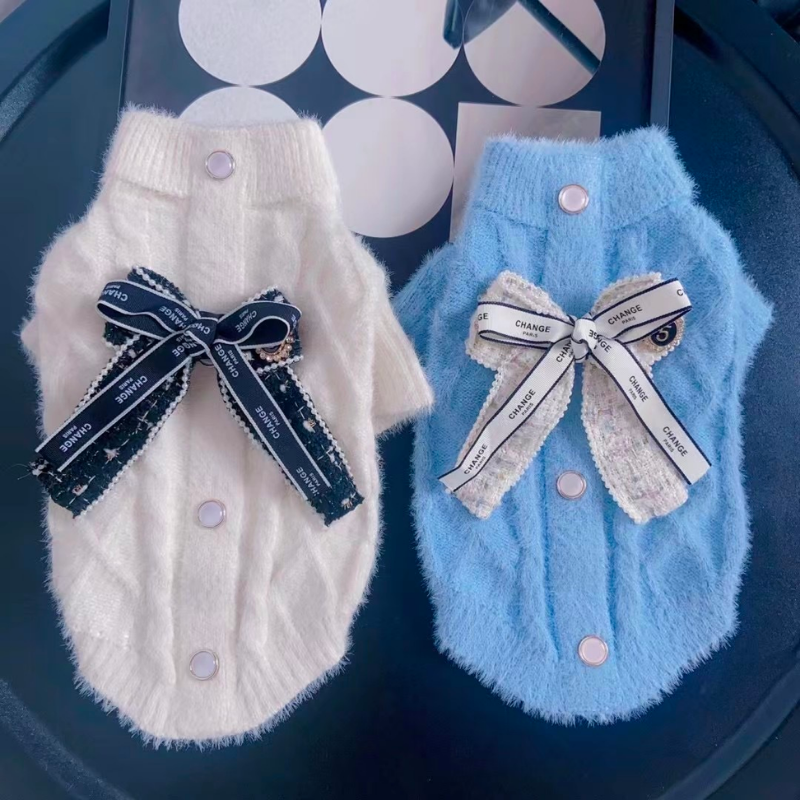
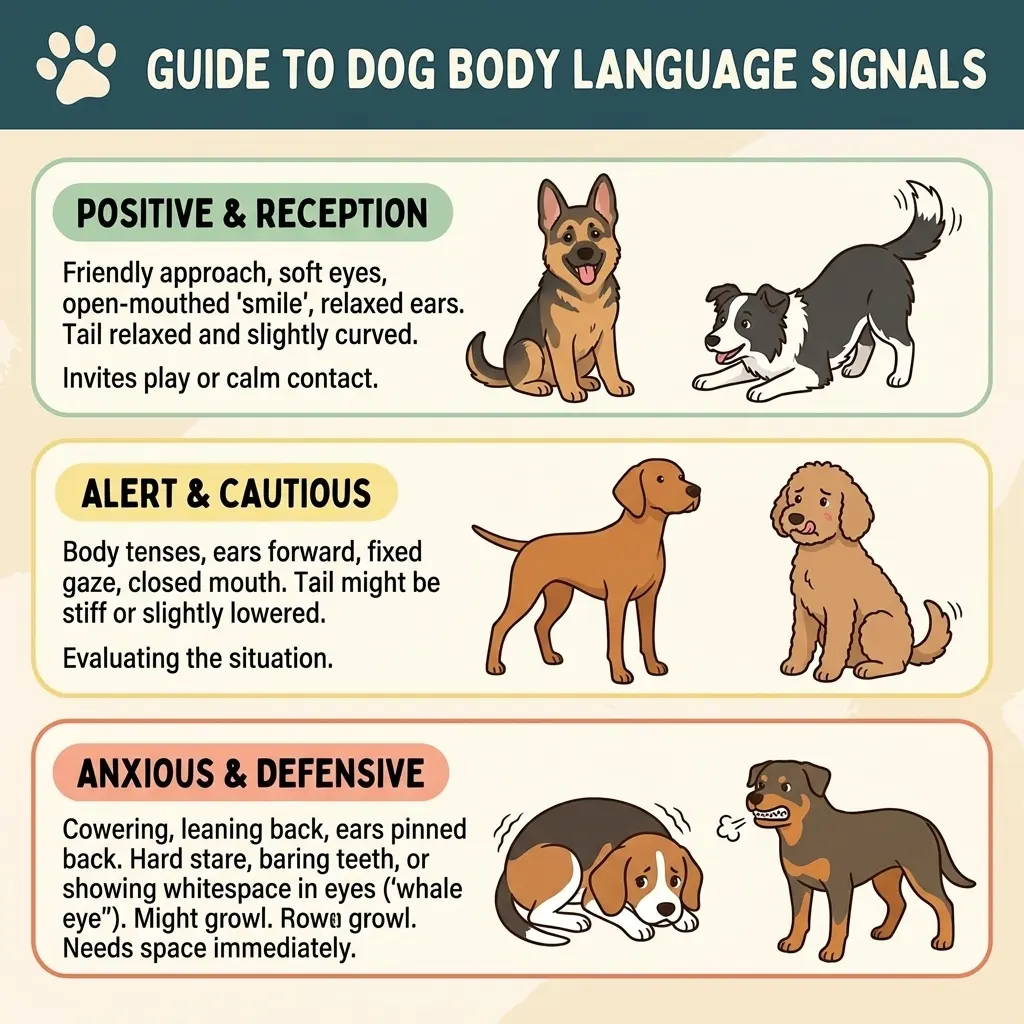
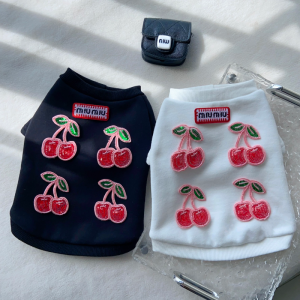
Some dogs enjoy sweaters, while others only tolerate them. Dogs with thin coats, low body fat, small bodies, or sensitivity to cold are more likely to benefit from a sweater. The best way to tell is by watching their body language, movement, breathing, and attempts to remove the clothing. The question of whether dogs like wearing sweaters is more than just a matter of fashion; it is a vital part of responsible pet ownership in colder climates. Whether you live in a snowy mountain town or a windy coastal city, your dog relies on you to interpret their silent signals. This guide helps you unravel the mystery of your dog’s wardrobe preferences by examining the science of warmth and the specific behavioral cues that indicate whether your dog is truly happy or just tolerating their clothes.
Understanding Canine Behavior: Why Dogs React Differently to Clothing
The Psychology of Canine Clothing
Dogs don’t understand sweaters as fashion. They learn what putting one on predicts. A sweater associated with warmth, walks, treats, and comfortable movement may produce a positive response; an uncomfortable sweater may produce avoidance. On the other hand, if they feel restricted or find the fabric irritating, they may resist wearing sweaters. Before introducing a new wardrobe, it is helpful to understand the various physical and medical reasons why dogs wear clothes to ensure you are meeting a functional need.
Do Dogs Understand Sweaters as Comfort or Discomfort?
To understand whether dogs like wearing sweaters, it’s essential to consider how they perceive clothing. Warmth, security, and even restraint can all come into play. Sweaters, especially those made of soft, breathable fabrics, can provide physical comfort, but if a sweater is too tight or made from scratchy materials, it could cause discomfort. Dogs can also develop more positive associations with sweaters when clothing is introduced gradually and paired with comfortable, rewarding experiences.
How to Get Your Dog Comfortable Wearing a Sweater
If your dog is new to wearing sweaters, introduce the clothing gradually instead of putting it on and expecting them to adjust immediately. A slow introduction can help your dog associate the sweater with positive experiences while giving you time to notice any signs of discomfort. Dogs that continue resisting clothing may also show common reasons why some dogs don’t want to wear clothes, including sensitivity to fit, fabric, or restriction.
- Let your dog inspect the sweater. Place it nearby and allow them to sniff it without forcing interaction.
- Reward calm behavior. Give praise or a small treat when your dog calmly approaches or investigates the sweater.
- Introduce physical contact gradually. Briefly place the sweater against or over your dog’s back before trying to put it on completely.
- Keep the first wearing session short. Once the sweater is on, let your dog wear it for only a few minutes while you observe their movement and body language.
- Encourage normal activity. Offer a treat, toy, or short walk so you can see whether your dog moves naturally while wearing it.
- Increase wearing time gradually. If your dog remains relaxed, slowly extend the amount of time they spend in the sweater over several sessions.
- Stop if your dog appears stressed. Remove the sweater if your dog repeatedly freezes, hides, scratches at it, tries to bite or remove it, or shows other persistent signs of discomfort.
The goal is not to force your dog to tolerate clothing. A comfortable sweater should allow normal movement and should eventually become something your dog barely notices.
Biological & Environmental Factors: How Physical Needs Influence Comfort
Understanding a Dog’s Natural Insulation and Temperature Regulation
Dogs are naturally equipped with varying degrees of insulation depending on their breed, size, and fur type. Some dogs, like Huskies or Malamutes, have thick fur coats designed to protect them from cold weather, while others, like Greyhounds and Chihuahuas, have minimal natural insulation. Some small, thin-coated, elderly, or cold-sensitive dogs may benefit considerably from a sweater during cold-weather exposure.
Fur vs. Hair: Breeds with fur, such as Poodles, are less likely to feel cold than those with hair, like Chihuahuas. Fur provides insulation, whereas hair tends to shed more and doesn’t offer as much protection. Therefore, dogs with minimal fur or hair may find sweaters particularly comforting in chilly weather. A helpful rule of thumb is the cold weather safety tips, which outline when temperatures become risky for different breed sizes.
Environmental Conditions and the Need for Sweaters
Dogs in colder climates or those that experience drastic temperature changes might need more help to stay warm, especially if they are small or have thin coats. For example, a Chihuahua living in a warm climate may not need a sweater, but the same dog in a snowy environment would benefit greatly from one. Conversely, larger breeds like Golden Retrievers or German Shepherds might be comfortable in chilly weather without a sweater because of their thicker fur coats. While sweaters are great for indoors and light walks, for extreme cold, you may need a dedicated collection of winter dog sweaters that provide higher thermal retention. Beyond clothing, knowing how to keep a dog warm can help you manage outdoor exposure, bedding, and cold-weather routines.
The Role of Breed and Health in Comfort with Sweaters
Short-Coated vs. Long-Coated Dogs
One of the most significant factors affecting whether your dog likes wearing a sweater is their breed. Short-coated breeds like Greyhounds, Chihuahuas, and Dachshunds are more likely to feel the cold and may appreciate the warmth a sweater provides. On the other hand, long-coated dogs such as Malamutes or Collies typically don’t require extra warmth unless in extremely cold weather, making them less likely to enjoy wearing a sweater. When you look at the diverse range of breeds in the United States, it becomes clear that a one size fits all approach to dog fashion doesn’t work. Identifying your dog’s coat type is the first step in knowing if they will appreciate the extra layer.
Breed Category | Coat Type | Sweater Preference | Primary Benefit |
Toy Breeds | Single/Thin | Very High | Prevents rapid heat loss |
Sighthounds | Fine Hair/Low Fat | High | Protects thin skin and ribs |
Working Breeds | Thick Double Coat | Low | Often leads to overheating |
Short-Haired Bully Breeds | Short/Coarse | Medium | Helps during extreme cold snaps |
Why Does My Dog Like Wearing Sweaters?
If you have a short-haired breed, they might like wearing sweaters because they provide the warmth they naturally lack. For long-haired dogs, however, they may only tolerate sweaters during particularly cold weather. Some long-haired dogs might find sweaters uncomfortable due to their dense fur, which already provides natural insulation.
Age, Size, and Health Conditions
Age and health play a crucial role in whether or not your dog will enjoy wearing a sweater. Puppies, senior dogs, and dogs with health conditions like arthritis, heart disease, or hypothyroidism may be more sensitive to temperature changes and could benefit from the added warmth of a sweater. Senior dogs, in particular, often have a harder time regulating their body temperature and may appreciate wearing something cozy.
Smaller dogs, regardless of breed, are generally more susceptible to the cold, and sweaters can provide them with the necessary warmth to stay comfortable. Conversely, larger dogs may not feel as cold unless exposed to extreme weather conditions.
Is It Okay for Dogs to Wear Sweaters All the Time?
While it’s beneficial for your dog to wear a sweater in colder weather, leaving it on all the time is not ideal. Prolonged wear can cause irritation, matting of fur (for long-haired breeds), and discomfort. Additionally, dogs need to be able to move freely, and wearing tight or restrictive clothing for extended periods can impact their mobility.