


Dog Care Tips: A Complete Guide to Keeping Your Dog Happy, Healthy, and Safe
Bringing a dog into your home is a big commitment, and understanding how to properly care for them ensures not only their well-being but also a long, happy life for your furry friend. Whether you’re a first-time dog owner or have years of experience, there’s always something new to learn about keeping your dog healthy and happy. Proper care encompasses everything from feeding and exercise to grooming and health checks.
Many dog owners underestimate the daily care routine their pets need, from the right nutrition to essential mental stimulation. Poor care can lead to behavior problems, health issues, and an unhappy dog. But the good news is that by following the right dog care tips, you can ensure that your dog lives a long and fulfilling life. This guide covers all the essentials so you can make informed decisions about the care your dog deserves.
Basic Dog Care Essentials
Feeding Your Dog: Providing Nutritious Meals
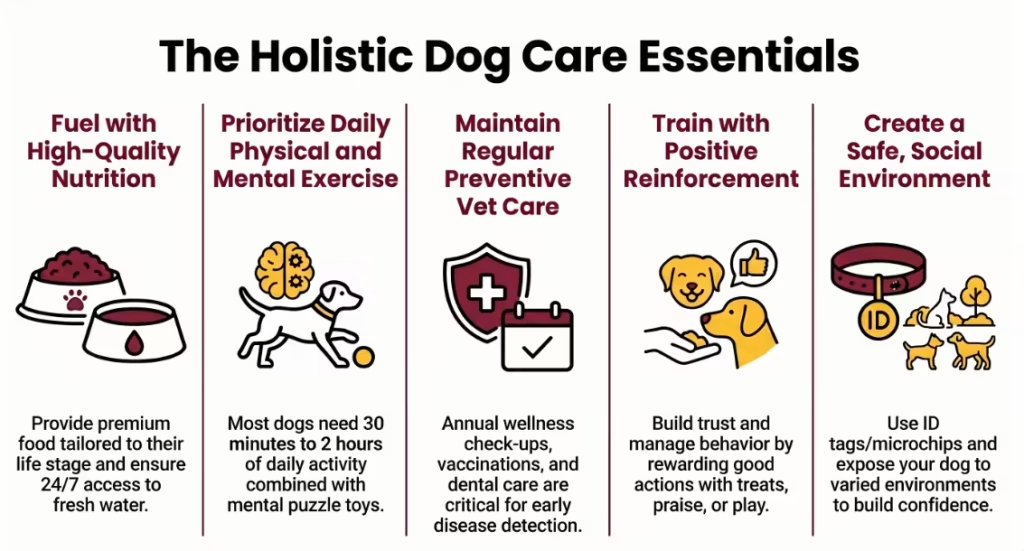
Feeding your dog the right food is one of the most important aspects of dog care. Proper nutrition not only supports a healthy body but also improves your dog’s mood, energy levels, and longevity.
- Meal Schedule: The first step in feeding your dog is establishing a meal schedule. Puppies typically require three meals a day, while adult dogs generally need two. Make sure the meal times are consistent to keep your dog’s digestion regular.
- Choosing High-Quality Dog Food: Feeding your dog premium-quality dry food ensures they are getting the proper nutrients. High-quality dog food contains balanced amounts of protein, carbohydrates, and healthy fats, providing your dog with the energy they need. Always look for food that is specific to your dog’s life stage, whether they’re a puppy, adult, or senior.
- Fresh Water: Along with food, always make sure your dog has access to fresh water. Hydration is crucial for your dog’s digestion, temperature regulation, and overall health. A good rule of thumb is to change your dog’s water at least once a day, especially if they’ve been playing or exercising.
Feeding your dog properly is foundational to their health. The right food will help them maintain a healthy weight, vibrant coat, and strong immune system.
Exercise and Mental Stimulation
Just like humans, dogs need regular exercise to stay physically and mentally healthy. Exercise is a key part of preventing obesity and helping your dog burn off extra energy.
- Physical Activity: Regular walks, playtime, and even dog sports are essential. Exercise helps maintain your dog’s weight, builds strong muscles, and improves cardiovascular health. Different dog breeds have varying exercise needs, with some high-energy dogs requiring longer walks or more intense activity.
- Mental Enrichment: Mental stimulation is just as important as physical exercise. Activities like puzzle toys, scent work, and obedience training provide your dog with mental challenges that keep their brain sharp. Boredom can lead to destructive behaviors, so combining physical exercise with mental enrichment helps prevent them.
Many pet owner often ask how often they should walk their dog? In general, most dogs need at least 30 minutes to 2 hours of exercise per day, depending on their size and energy levels.
Grooming and Hygiene
Regular grooming isn’t just about keeping your dog looking good; it’s essential for their health. Proper grooming prevents skin conditions, tangles, and discomfort.
- Brushing Your Dog: Frequent brushing helps to remove dirt, loose hair, and mats from your dog’s fur. It also stimulates their skin and helps with circulation. The frequency of brushing depends on your dog’s coat type. Long-haired breeds, like Shih Tzus and Collies, may need daily brushing, while short-haired breeds only require weekly grooming.
- Nail Trimming: Keeping your dog’s nails properly trimmed is essential for their comfort and health. Overgrown nails can cause painful walking and even get caught on furniture or flooring, leading to injury. Regular nail trimming helps keep your dog comfortable and free of pain.
- Flea and Tick Prevention: Regular flea and tick checks are important to prevent infestations, especially for dogs that spend a lot of time outside. Talk to your vet about preventive treatments, such as flea collars or topical treatments, to ensure your dog stays free of parasites.
- Bathing Your Dog: Dogs don’t need frequent baths, but regular bathing helps keep their skin and coat clean. Choose a dog-friendly shampoo that is gentle on their skin, especially if your dog has sensitive skin or allergies.
By maintaining a regular grooming routine, you can keep your dog looking good and feeling comfortable, all while preventing common skin issues.


|
Care Category |
Key Responsibility |
Recommended Frequency |
Benefits for the Dog |
Essential Supplies |
Health Risks Prevented (Inferred) |
|
Nutrition |
Establish a meal schedule and provide high-quality dry food and fresh water. |
Puppies: 3 meals per day; Adults: 2 meals per day; Water: Change at least once per day. |
Supports a healthy body, improves mood, energy levels, longevity, and digestion; maintains a healthy weight and vibrant coat. |
Premium-quality dry food, water bowl. |
Malnutrition, obesity, dehydration, digestive issues, and weakened immune system. |
|
Exercise and Mental Stimulation |
Provide physical activity and mental enrichment through walks, play, and puzzle toys. |
30 minutes to 2 hours per day. |
Prevents obesity, builds muscles, improves cardiovascular health, and keeps the brain sharp to prevent destructive behaviours. |
Puzzle toys, scent work materials. |
Obesity, muscle atrophy, cardiovascular disease, depression, and anxiety-driven destructive habits. |
|
Veterinary Care |
Attend wellness check-ups and ensure vaccinations and parasite prevention are current. |
Annual wellness check-ups. |
Ensures early detection of health conditions and protection from serious diseases. |
Vaccines, oral medications, flea collars, topical treatments. |
Parvovirus, distemper, rabies, arthritis, heart disease, heartworms, and skin infections. |
|
Grooming |
Perform brushing of fur, trimming of nails, bathing, and flea/tick prevention. |
Brushing: Daily (long-haired) or weekly (short-haired); Baths: Regular but not frequent; Nails/Parasites: Regular. |
Removes dirt/mats, stimulates skin circulation, ensures comfort while walking, and keeps skin and coat clean. |
Brush, nail trimmers, dog-friendly shampoo, flea collars, topical treatments. |
Skin conditions, painful overgrown nails, infections, and parasite infestations. |
|
Training and Socialisation |
Use positive reinforcement for basic commands, crate training, and exposure to new environments. |
Puppy classes (8–16 weeks); regular short sessions for commands. |
Strengthens bond and trust, improves communication, reduces anxiety, and prevents aggression. |
Treats, training accessories, crate. |
Behavioural issues, separation anxiety, fearful aggression, and dangerous situations due to lack of recall. |
|
Safety and Environment |
Dog-proof the home and garden, provide a safe space, and ensure identification. |
Ongoing / continuous. |
Provides security, prevents accidents or poisoning, and ensures recovery if the pet is lost. |
Dog bed, crate, collar with ID tag, microchip. |
Poisoning from chemicals or plants, electrical shocks, physical injuries, and permanent loss of the pet. |
|
Dental Care |
Brush the dog’s teeth and offer dental chews. |
Part of a regular routine; includes dental exams during annual vet visits. |
Reduces plaque buildup and maintains oral hygiene. |
Toothbrush, dog-safe toothpaste (inferred), dental chews. |
Gum disease, tooth loss, tartar buildup, and secondary heart disease. |
Veterinary Care and Preventive Health
Regular veterinary visits are essential for monitoring your dog’s health and ensuring that they live a long, happy life. Preventive care not only helps detect health problems early but also helps protect your dog from common diseases.
Routine Vet Visits
Annual wellness check-ups are important for your dog’s overall health, even if they seem perfectly fine. These visits allow the vet to check your dog’s weight, eyes, ears, teeth, and overall condition. Regular vet visits also allow for early detection of health conditions like arthritis, heart disease, and skin infections, which may not be obvious at first.
Vaccinations
Vaccinations are one of the most effective ways to protect your dog from serious and potentially fatal diseases like parvovirus, distemper, and rabies. Your vet will provide a vaccination schedule based on your dog’s age and lifestyle, ensuring they are always up to date with the necessary immunizations.
Flea, Tick, and Heartworm Prevention
Preventing fleas, ticks, and heartworms is essential for keeping your dog healthy. These pests can transmit diseases and cause serious health problems. Your vet will recommend the best preventive treatments based on your dog’s environment and lifestyle. Topical treatments, oral medications, and flea collars are all effective options. Regularly check your dog for ticks, especially after walks in wooded areas.
Dental Care
Poor dental health can lead to severe complications like gum disease, tooth loss, and even heart disease. Make brushing your dog’s teeth part of their routine, and consider offering dental chews to help reduce plaque buildup. Regular vet checkups should also include a dental exam, and professional cleaning may be necessary if your dog has a lot of tartar.
Creating a Safe and Comfortable Environment
A safe, comfortable, and stimulating environment is essential for your dog’s well-being. Ensuring your dog feels secure in their surroundings is key to a happy and healthy life.
Safe Space
Dogs need a place where they can retreat and relax. This could be a dog bed in a quiet area of your home or a crate that serves as their personal space. A safe space helps your dog feel secure, especially if they’re feeling anxious or tired.
Dog-Proofing Your Home
Just like you would baby-proof your home, puppy-proofing is essential to prevent accidents or injuries. Make sure hazardous items like cleaning products, electrical cords, and sharp objects are out of your dog’s reach. Puppies, in particular, are very curious and will explore every corner of your home.
Collar with ID Tag and Microchip
Always ensure your dog has a collar with an ID tag that includes your contact information. This is a quick way to help reunite you with your dog if they ever get lost. Additionally, microchipping provides a permanent form of identification that’s difficult to remove or lose. Microchips are a reliable way to ensure your dog can be tracked back to you if they wander off.
Dog-Proofing the Outdoors
If your dog spends time in your backyard, make sure it is enclosed and safe. Check for gaps in fences or dangerous plants that could harm your dog. Make sure there are no toxic substances like fertilizers, pesticides, or chemicals that your dog could ingest.
-
Louis Pawtton Hero Brown Checkered Designer Leather Dog Harness and Leash Set
$35.00 – $94.50Price range: $35.00 through $94.50 -
Pawcci Designer Dog Harness And Leash Set
$59.50Original price was: $59.50.$39.00Current price is: $39.00.Rated 5.00 out of 5 -
Furry Berry Plaid Bow Tie Dog Collar And Leash
$20.00 – $35.00Price range: $20.00 through $35.00 -
Furdi FF Monogram Designer Dog Harness And Leash
$26.00 – $57.50Price range: $26.00 through $57.50Rated 5.00 out of 5


Training Your Dog: A Positive Approach
Training is one of the most important things you can do for your dog’s behavior and well-being. A well-trained dog is easier to manage, better behaved, and more enjoyable to be around. Training is also a form of mental stimulation, which keeps your dog engaged and happy.
Positive Reinforcement
The most effective way to train a dog is through positive reinforcement. This involves rewarding your dog for good behavior with treats, praise, or playtime. Dogs learn best when they are rewarded for actions they are encouraged to repeat. This method helps build trust and strengthens your bond with your dog.
Essential Commands
Teaching your dog basic commands like sit, stay, come, and heel creates a strong foundation for good behavior. These commands help improve communication with your dog and can be lifesaving in emergencies. Practice these commands regularly in short, engaging sessions to reinforce them.
Crate Training
Crate training provides your dog with a safe and secure space, while also helping with housebreaking. Dogs are naturally den animals, so a crate offers a secure environment for them to retreat to when they need rest or when you are not around. Be patient, and use positive reinforcement to make crate time a positive experience for your dog.
Dealing with Behavioral Issues
Dogs, like humans, can develop undesirable behaviors like barking, chewing, or separation anxiety. If your dog exhibits these behaviors, identify the cause and address it through proper training and management. Redirecting their focus, using positive reinforcement, and providing mental stimulation can resolve many behavioral issues.
Socializing Your Dog
Socialization is an essential part of your dog’s development, especially during the puppy stage. Socialization helps your dog learn how to behave around other animals, people, and in new environments. It also prevents fearful behaviors, anxiety, and aggression.
- Puppy Classes: Enrolling your dog in puppy training classes during the socialization window (typically between 8-16 weeks) is a great way to expose them to a range of stimuli in a controlled, positive environment. These classes teach basic commands, foster good behavior, and provide an opportunity for puppies to interact with other dogs and people.
- Gradual Socialization: Even older dogs can benefit from socialization. Gradually introduce your dog to new environments, people, and other dogs. Be patient and make sure each interaction is positive. This process builds confidence and helps your dog feel more comfortable in a variety of situations.
- Exposure to Different Environments: It’s important to expose your dog to varied environments, such as busy streets, parks, and pet-friendly stores, to help them adjust to new settings. Regularly visiting different places helps them build confidence and reduce anxiety in unfamiliar situations.
Conclusion: The Key to Long-Term Dog Care Success
Caring for a dog goes beyond basic feeding and grooming, it involves meeting their physical, mental, and emotional needs. Providing the right balance of exercise, training, socialization, and health care ensures that your dog remains healthy and happy throughout their life. Regular veterinary checkups, consistent training, and a safe environment all contribute to a dog’s well-being.
If you’re looking for high-quality products to support your dog’s care routine, check out our selection at Supreme Dog Garage. From premium dog food to comfortable dog beds and training accessories, we have everything you need to keep your dog happy, healthy, and well-cared for.

Top Dog Walking Products for Every Adventure
Make every walk an experience with premium dog walking gear from Supreme Dog Garage. Whether you’re exploring the neighborhood or hitting the trails, our curated selection of leashes, harnesses, collars, and accessories combines style, comfort, and durability, perfect for every pup and their person.
