

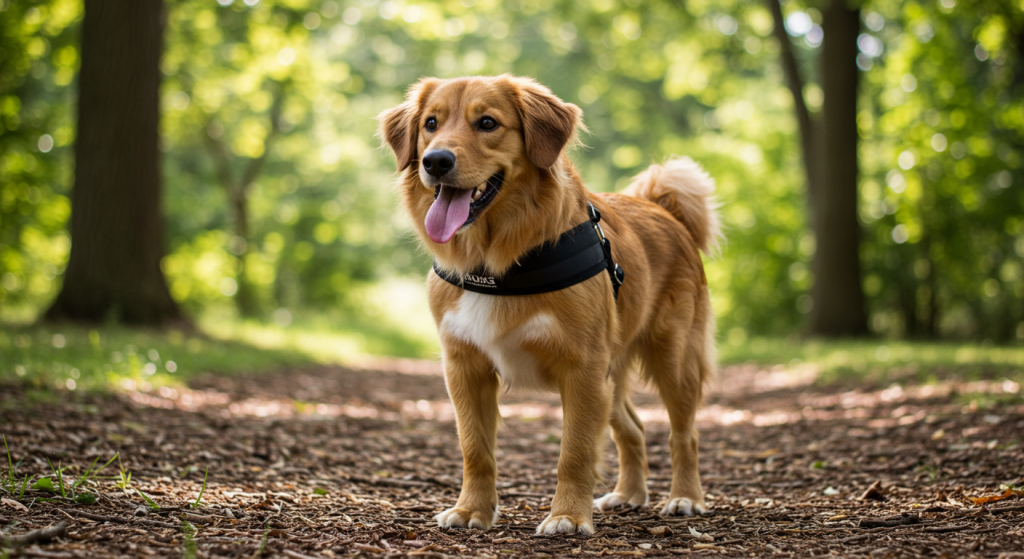
How Often Should You Walk Your Dog
Walking your dog seems simple, but finding the right balance of how often and how long can make a huge difference in their health, behavior, and happiness. Many pet owners wonder, “Am I walking my dog enough?” or “Can I skip a day if it’s raining?” Getting it right keeps your dog physically fit, mentally stimulated, and emotionally balanced. This guide will help you understand how often to walk your dog depending on their age, breed, and lifestyle. We’ll also cover safe walking tips, the best times to go out, and other exercise options to keep your furry friend healthy and full of energy. Even if you’re a new puppy parent or caring for an older dog, you’ll find answers here that fit your routine and your dog’s needs.
Why Is Walking So Important for Your Dog’s Health and Happiness?
Walking is one of the best activities for your dog’s overall health. It helps maintain a healthy weight, strengthens muscles and joints, and supports cardiovascular health. Regular walks also help reduce destructive behaviors like chewing or digging, which often happen when a dog feels bored or under-exercised. Beyond the physical benefits, walking provides mental stimulation, and dogs explore the world through their sense of smell. New smells, sounds, and sights during a walk keep their brain active and engaged.
Socially, walks allow dogs to interact safely with other pets and people, which builds confidence and reduces anxiety. According to veterinary experts, dogs that get daily walks are less likely to develop depression, obesity, or hyperactivity. Think of your daily walk as a therapy session for your dog; it strengthens your bond while meeting essential health needs.
How Often Should You Walk Your Dog Based on Age and Breed?
There isn’t one single answer to how often you should walk your dog because every dog is different. In general, most healthy dogs benefit from at least two walks a day, lasting between 30 to 60 minutes each. However, the ideal frequency depends on age, breed, energy level, and health condition.
High-energy breeds such as Border Collies, Huskies, or Labrador Retrievers may need more frequent and longer walks, sometimes up to two hours of activity daily. On the other hand, small or low-energy breeds like Bulldogs, Pugs, or Shih Tzus might prefer shorter, slower strolls. The key is observing your dog: if they seem restless or are gaining weight, they probably need more activity. If they’re slowing down or panting heavily after a short distance, scale it back.
Here’s a table for average walking frequency and time per breed size:
Breed Type | Walks Per Day | Average Duration |
Small Breeds (Pug, Chihuahua) | 1–2 walks | 20–30 minutes each |
Medium Breeds (Beagle, Cocker Spaniel) | 2 walks | 30–45 minutes each |
Large Breeds (Labrador, Golden Retriever) | 2–3 walks | 45–60 minutes each |
High-Energy Breeds (Border Collie, Husky) | 3 walks | 60+ minutes each |
How Often Should You Walk a Puppy?
Puppies have growing joints and short bursts of energy, so too much walking can cause strain. The general guideline is five minutes of exercise per month of age, up to twice daily. For example, a 4-month-old puppy can handle 20 minutes of walking twice a day. Puppies benefit from multiple short walks rather than one long session. These short walks are also great opportunities to introduce leash training, new sounds, and social experiences.
It’s best to avoid high-impact surfaces like asphalt during the early months and stick to soft grass or parks. Always watch for signs of fatigue, such as lagging, sitting down, or heavy panting. Remember, walks aren’t just about physical movement; they’re a huge part of your puppy’s learning and confidence-building process.
How Often Should You Walk an Adult Dog?
Adult dogs are usually at their most active stage. They need enough exercise to maintain a healthy weight and release pent-up energy. For most adult dogs, two walks per day, one in the morning and one in the evening, works best. Active breeds like Australian Shepherds or Pointers may need additional playtime, running, or off-leash exploration. A good rule of thumb is at least 30 to 60 minutes of walking daily.
Daily walks also help prevent behavior issues like excessive barking or chewing. If your dog spends most of their day indoors, adding a midday walk or an interactive game helps break the routine. Regular walking supports digestion and joint flexibility while reducing anxiety and restlessness, key to both physical and emotional balance.
How Often Should You Walk a Senior Dog?
Older dogs may slow down, but they still need regular activity to maintain mobility and prevent stiffness. Senior dogs benefit from short, gentle walks once or twice a day. Even a 15–20 minute stroll helps improve circulation and keeps their joints from stiffening. Adjust your pace to your dog’s comfort; the goal is consistency, not intensity.
Avoid slippery or uneven surfaces, and monitor for signs of discomfort like limping or excessive panting. Walks for older dogs should focus on relaxation and bonding rather than speed. Breaks during walks are perfectly fine, especially on warm days. If your senior dog has arthritis or joint issues, talk to your vet about supportive gear like harnesses or orthopedic dog shoes, available at Supreme Dog Garage for added comfort.


What Factors Influence How Often You Should Walk Your Dog?
Several factors affect your dog’s walking needs beyond age and breed. These include size, health, diet, weather, and even your daily schedule. Here’s what to consider:
- Breed and Energy Level: High-energy breeds need more frequent walks.
- Age and Health: Puppies and seniors need shorter, more frequent walks; adults thrive on longer sessions.
- Weather Conditions: Extreme heat or cold can limit outdoor time.
- Diet and Weight: Dogs that eat more calories require more exercise to stay fit.
- Living Environment: City dogs may need more structured walks since they can’t run freely like rural dogs.
- Behavioral Needs: Dogs with anxiety or boredom often improve with consistent walking routines.
By watching your dog’s behavior and adjusting frequency, you’ll find the perfect routine that keeps them both happy and healthy.
What’s the Best Time of Day to Walk Your Dog?
Choosing the best time to walk your dog depends on the weather, season, and your dog’s comfort. The two most common times are morning and evening, and each has its benefits. Morning walks are great for starting the day calmly; the air is cooler, the streets are quieter, and it sets a positive tone for your dog’s mood. Many dogs are more focused and responsive during morning walks, making it a good time for training or leash practice.
Evening walks, on the other hand, help release the day’s leftover energy and provide relaxation before bedtime. However, if you live in a hot region, avoid walking your dog during midday when pavement temperatures can burn their paws. You can test the surface with your hand; if it’s too hot for you, it’s too hot for them.
During summer, early mornings or late evenings are safest. In winter, mid-morning or early afternoon walks work better to avoid freezing temperatures. For dogs that need extra insulation on colder outings, properly fitted winter dog sweaters can add warmth without interfering with normal movement. Always bring water for long walks and consider reflective gear or dog hoodies from Supreme Dog Garage’s Designer
Dog Hoodies Collection for visibility and warmth. Protecting your dog from heatstroke or frostbite ensures every walk stays enjoyable and safe.
How Long Should Each Walk Last?
The right walking duration varies depending on breed size, energy level, and fitness. Generally, small breeds like Pugs or French Bulldogs do well with 20–to 30-minute walks, while medium breeds, such as Cocker Spaniels or Beagles, enjoy 30–to 45–minute walks. Large and active breeds like German Shepherds or Labradors need 45–60 minutes or even more.
A simple table can help guide you:
Dog Size | Suggested Duration per Walk | Walks per Day |
Small Breeds | 20–30 minutes | 1–2 |
Medium Breeds | 30–45 minutes | 2 |
Large Breeds | 45–60 minutes | 2–3 |
High-Energy Breeds | 60–90 minutes | 3 |
Pay attention to your dog’s body language. If your dog starts lagging, yawning, or panting heavily, it’s time for a break. On the other hand, if they seem restless, bark excessively, or pace indoors, they likely need more walking time. Adjusting the pace and route helps keep each walk effective and enjoyable. Consistency matters more than distance; a regular walking routine supports your dog’s heart, weight, and behavior over time.
When Should You Avoid Walking Your Dog?
Certain conditions make walking unsafe, and being cautious can prevent injuries or illness. The most important factor is temperature. Avoid walking dogs in hot weather when the ground can burn their paws or when humidity makes breathing difficult. On warm days, choose shaded routes and walk early or late. Always carry water and let your dog rest when needed.
In winter, cold-weather walks require extra care. Frost, ice, and road salt can hurt your dog’s paw pads. Senior dogs or small breeds may get cold faster, so consider using protective boots or cozy Dog Jackets & Winter Coats to keep them warm.
Avoid walks if your dog is recovering from illness, surgery, or joint pain. Also, skip walks during thunderstorms or extreme conditions that could scare or stress your dog. Indoors, you can replace walking time with mental enrichment games until it’s safe to go outside again. Staying flexible with your routine helps protect your dog’s health while maintaining consistency.
-
Louis Pawtton Hero Brown Checkered Designer Leather Dog Harness and Leash Set
$35.00 – $94.50Price range: $35.00 through $94.50 -
Pawcci Designer Dog Harness And Leash Set
$59.50Original price was: $59.50.$39.00Current price is: $39.00.Rated 5.00 out of 5 -
Furry Berry Plaid Bow Tie Dog Collar And Leash
$20.00 – $35.00Price range: $20.00 through $35.00 -
Furdi FF Monogram Designer Dog Harness And Leash
$26.00 – $57.50Price range: $26.00 through $57.50Rated 5.00 out of 5


How Can You Make Walks More Enjoyable and Safe?
Walking should be both fun and secure for you and your dog. Start by using proper gear like a comfortable Designer Dog Harness that gives you control without straining your dog’s neck. Pair it with a durable leash from the Dog Leash Collection for better grip and safety. If it’s cold, a warm hoodie or jacket adds comfort while making your dog look stylish.
Vary your walking routes to keep things interesting. Dogs love exploring new scents and surroundings, which boosts mental stimulation. Try “sniff walks,” where you let your dog explore at their own pace, this encourages calm and satisfaction. Add short training sessions during walks to practice obedience or recall commands. Rewarding good behavior with praise or treats makes walks positive learning experiences.
For added enrichment, include short play breaks or fetch sessions in safe areas. Always stay alert to your surroundings, avoid distractions like phones, and keep your dog on a leash in busy or unfamiliar places. The goal is a balanced mix of exercise, stimulation, and bonding every time you step outside.
Can Other Exercises Replace Dog Walks?
While walking is essential, there are many ways to exercise your dog when outdoor walks aren’t possible. Activities like fetch, indoor agility courses, and tug-of-war games provide physical and mental benefits. For high-energy dogs, swimming or treadmill exercises are great options. If your home has space, create small obstacle courses using cushions or boxes to make indoor exercise fun.
Interactive toys and puzzle feeders keep your dog’s mind sharp and prevent boredom. These activities are especially useful on rainy days or when weather conditions make walking unsafe. You can also practice scent games where you hide treats for your dog to find. This mimics natural hunting instincts and builds focus.
However, other exercises shouldn’t fully replace walking. Outdoor walks provide social exposure, new smells, and fresh air that indoor play can’t match. The best approach is combining daily walks with playtime and training to maintain overall fitness and happiness. Explore Dog Toys & Accessories from Supreme Dog Garage to keep your dog active indoors and outdoors.
How Can You Tell If Your Dog Is Getting Enough Exercise?
Understanding whether your dog gets enough exercise helps prevent behavior and health problems. Signs your dog needs more activity include restlessness, excessive barking, chewing on furniture, or weight gain. A well-exercised dog usually rests calmly after walks, maintains a healthy appetite, and has balanced energy levels.
On the other hand, over-exercise can cause fatigue, sore muscles, and limping. Puppies and older dogs are especially vulnerable, so watch for signs like hesitation to move or slow recovery after play. If you’re unsure, track your dog’s activity and behavior over a week. Adjust walk length or frequency gradually until your dog seems content and relaxed.
Each dog is different, so listen to their signals. Breathing heavily after short distances might mean the pace is too fast, while constant restlessness shows they need more stimulation. Combining daily walks with playtime or brain games creates a well-rounded exercise plan that supports both mental and physical health.
What Do Experts Recommend About Walking Frequency?
Veterinarians and canine behaviorists agree that dogs need consistent physical activity to stay healthy and mentally balanced. According to the American Kennel Club, most adult dogs benefit from at least 30 minutes to 2 hours of physical activity daily, depending on breed and energy level. Experts emphasize that regular walks are essential for controlling weight, improving joint mobility, and reducing anxiety.
The key takeaway from experts: Consistency matters more than distance. Even short daily walks are better than long but infrequent ones. Combine walks with mental challenges, socialization, and play to give your dog a well-rounded routine.
Final Thoughts: How to Build the Perfect Walking Routine for Your Dog
Creating a walking schedule that fits your dog’s needs will improve their health, behavior, and overall happiness. Start by finding the right frequency based on their age, breed, and lifestyle. Adjust your routine depending on the weather, and don’t forget to make each walk safe and enjoyable with proper gear and hydration.
Consistency, variety, and attention to your dog’s signals are key. Walks are more than exercise, they’re moments of connection, learning, and joy. A healthy walking habit keeps your dog active and strengthens your bond every day.
Before your next outing, check out Supreme Dog Garage’s Walking Essentials Collection, featuring premium harnesses, leashes, and hoodies made for comfort and style. With the right gear and routine, every walk becomes the best part of your dog’s day.

Top Dog Walking Products for Every Adventure
Make every walk an experience with premium dog walking gear from Supreme Dog Garage. Whether you’re exploring the neighborhood or hitting the trails, our curated selection of leashes, harnesses, collars, and accessories combines style, comfort, and durability, perfect for every pup and their person.
