

How to Keep a Dog Warm in Winter
Reviewed and Updated: June 24, 2026
Winter can be hard on dogs, especially when a simple walk turns into shivering, paw lifting, whining, or a quick rush back to the door. I know many dog owners want one clear answer: “How do I keep my dog warm without overdoing it?” The answer depends on your dog’s size, coat, age, health, activity level, and the weather outside. A tiny short-haired dog in Chicago will need different winter care than a thick-coated Husky in Colorado. In this guide, I’ll explain how to keep a dog warm in winter with safe indoor comfort, fitted winter clothing, paw protection, better walking habits, grooming care, and emergency warning signs. I’ll also show where products like dog winter coats, sweaters, hoodies, reflective jackets, and walking accessories from Supreme Dog Garage can support a safer cold-weather routine.
Quick Answer: How Do You Keep a Dog Warm in Winter?
To keep a dog warm in winter, bring your dog indoors during harsh cold, provide a warm bed away from drafts, use a fitted dog coat or sweater for small, short-haired, senior, thin, or sick dogs, protect paws from snow and salt, shorten walks in freezing weather, and dry your dog after outdoor time. Watch for shivering, paw lifting, weakness, whining, curled posture, or refusal to move. If your dog spends any time outside, they need dry shelter, raised flooring, wind protection, insulated bedding, and fresh water that does not freeze.
Winter Warmth Checklist for Dogs
A checklist helps you prepare before the weather gets worse. I recommend keeping winter care simple and consistent because dogs can get cold quickly when wind, dampness, snow, and low temperatures happen together.
- Keep your dog indoors during extreme cold.
- Use a warm bed away from drafts.
- Add a coat or sweater for cold-sensitive dogs.
- Use water-resistant outerwear in snow, rain, or sleet.
- Protect paws from ice, salt, and chemicals.
- Walk during warmer daylight hours when possible.
- Keep walks shorter in freezing weather.
- Dry your dog after outdoor time.
- Brush the coat regularly.
- Keep drinking water from freezing.
- Watch for frostbite and hypothermia signs.
- Call a vet if your dog seems weak, confused, painful, or unusually cold.
Cold Risk Guide: Temperature, Wind, Dampness, and Dog Tolerance
There is no single winter temperature that applies to every dog. Cold risk depends on air temperature, wind chill, wet weather, body size, coat density, breed, age, health, body weight, activity level, and cold acclimation. A healthy thick-coated dog may enjoy a cold walk, while a small indoor dog may shiver at the same temperature. I use temperature as a starting point, then I watch the dog’s behavior. If your dog slows down, lifts paws, shakes, or tries to go home, the cold is already becoming uncomfortable.
Dog Winter Temperature Guide
This table gives a simple starting point for U.S. dog owners, but your dog’s behavior matters most. Wind, rain, snow, health issues, and wet fur can make the same temperature feel much colder.
|
Temperature Range |
Risk Level |
What Dog Owners Should Do |
|
Above 45°F |
Usually mild for many dogs |
Watch small, senior, short-haired, or sick dogs |
|
32°F–45°F |
Caution zone |
Use a coat if needed and limit long exposure |
|
20°F–32°F |
Higher risk |
Keep walks short, use warm gear, check paws |
|
Below 20°F |
Dangerous for many dogs |
Avoid long outdoor time and monitor closely |
Why Wind Chill Makes Dogs Colder
Wind pulls heat away from the body faster, especially around the ears, belly, legs, and tail. A calm 30°F day may feel easier for some dogs than a windy 35°F day. This is why I pay attention to wind chill, not just the number on the weather app. If the wind is strong, a fitted dog jacket or coat can help reduce heat loss during necessary outdoor breaks.
Why Dampness Increases Cold Stress
Wet fur loses warmth faster than dry fur. Rain, freezing drizzle, slush, snow, and damp clothing can all make your dog colder after a walk. If your dog wears a sweater outside and it gets wet, remove it when you come inside and dry your dog fully. A water-resistant dog jacket is often better than a soft sweater for wet winter walks.
Why Cold Acclimation Matters
Dogs that spend time in cold weather may adapt better than dogs that live mostly indoors, but acclimation has limits. Indoor dogs in heated homes may feel winter cold faster because their body is used to stable indoor temperatures. Even cold-tolerant dogs still need dry shelter, fresh water, paw care, and supervision.
Which Dogs Need Extra Warmth in Winter?
Some dogs need extra winter protection because their bodies lose heat faster or struggle to maintain body warmth. I always look at the individual dog instead of assuming the breed tells the full story. Size, coat type, age, weight, health, and activity level all matter.
Small Dogs
Small dogs lose body heat faster because they have less body mass close to the cold ground. Chihuahuas, Yorkies, Maltese, Toy Poodles, Mini Dachshunds, and similar small breeds often need sweaters or coats during winter walks. If your small dog trembles, curls up tightly, or refuses to move outside, add warmth and shorten the walk.
Short-Haired and Thin-Coated Dogs
Short-haired dogs have less natural insulation. Greyhounds, Boxers, Dobermans, Boston Terriers, French Bulldogs, and Pit Bull-type dogs often benefit from winter coats, especially during windy or freezing weather. A coat with chest coverage can help because the belly and chest are close to cold air and frozen ground.
Puppies
Puppies are still learning how to handle the outside environment, and their body temperature control is still developing. I keep puppy winter sessions short, positive, and closely supervised. A lightweight sweater or coat can help during quick potty breaks, but the puppy should never be left outside for long periods in cold weather.
Senior Dogs
Senior dogs may feel cold more easily because they move slower and may have joint stiffness, arthritis, lower muscle mass, or health concerns. Cold weather can make stiff joints feel worse, so I prefer shorter walks, warm bedding, rugs on slippery floors, and a coat for outdoor breaks when needed.
Dogs With Health Conditions
Dogs with arthritis, thyroid problems, diabetes, heart disease, kidney disease, low body weight, or recent illness may have lower cold tolerance. If your dog has a medical condition, ask your veterinarian how much cold exposure is safe. I would rather be careful than push a dog through weather that may worsen pain or stress.
Thick-Coated Cold-Weather Breeds
Huskies, Malamutes, Samoyeds, Bernese Mountain Dogs, and other thick-coated breeds may handle cold better than many dogs. Still, they can get wet, develop ice between paw pads, slip on frozen surfaces, or suffer in extreme conditions. A thick coat helps, but it does not replace shelter, hydration, paw checks, and common sense.


Signs Your Dog Is Cold, Stressed, or in Danger
Your dog cannot tell you the cold is too much, so behavior matters. I watch body posture, movement, energy, and paw behavior during every winter walk. Early signs should lead to quick action before the dog becomes seriously chilled.
Early Signs Your Dog Is Cold
Early signs include shivering, lifting paws, whining, tucked tail, hunched back, slow walking, curled posture, and seeking shelter. Some dogs may stop walking or look back at the house. If you see these signs, end the walk, go inside, dry your dog, and add warmth.
Behavior Changes That Mean the Cold Is Too Much
Movement refusal, hiding, kennel withdrawal, refusing familiar cues, burrowing, or trying to return inside can mean your dog is stressed by the cold. A dog that suddenly refuses to walk is not always being stubborn. They may be uncomfortable, scared, sore, or chilled.
Serious Signs That Need Urgent Attention
Weakness, confusion, stiff movement, pale gums, shallow breathing, extreme tiredness, collapse, or skin color changes are serious warning signs. If your dog does not warm up after coming inside or seems mentally dull, painful, or weak, contact a veterinarian quickly.
Body Areas Most at Risk
Paws, ears, tail, nose, and exposed skin are more likely to suffer cold injury because they are farther from the warm center of the body. After winter walks, I check these areas for coldness, color change, swelling, pain, or irritation.
Keep Your Dog Warm Indoors
Indoor warmth matters just as much as outdoor gear. Many dogs sleep near drafty doors, cold windows, tile floors, or garages without owners realizing how chilly those spots can get. A warm indoor setup helps small dogs, seniors, puppies, and short-haired dogs recover comfortably after walks.
Create a Draft-Free Sleeping Area
Place your dog’s bed away from exterior doors, windows, air leaks, tile floors, and garage entrances. A padded bed with raised edges can help hold warmth. For senior dogs, a supportive bed can also reduce pressure on joints during cold nights.
Use Blankets Safely
Blankets can help dogs stay warm, but the dog should be able to move away if they get too warm. I avoid wrapping a dog tightly or covering them in a way that traps them. Let your dog choose whether to snuggle under, beside, or on top of a blanket.
Choose a Self-Warming Mat or Heated Pet Bed Carefully
Self-warming mats and pet-safe heated beds can help cold-sensitive dogs, but safety comes first. Use products made for pets, follow the instructions, and check cords if your dog chews. Avoid human heating pads on high settings because they can burn skin or overheat a dog.
Make Hard Floors Warmer
Hard floors can feel cold in winter, especially for small dogs and seniors. Rugs, mats, padded beds, and raised beds can make resting areas warmer and easier on joints. If your dog likes sleeping in the kitchen or hallway, add a soft mat so they are not resting directly on cold tile.
Add Indoor Enrichment When Walks Are Short
Cold weather often means shorter walks, but dogs still need mental activity. I like using scent games, puzzle toys, short training sessions, safe indoor fetch, and hide-and-seek treats. These activities help burn energy without forcing your dog into unsafe weather.
Choose the Right Winter Clothing for Your Dog
Dog winter clothing should be practical first. A coat, sweater, hoodie, or jacket should keep your dog warmer without blocking movement, rubbing the skin, or making bathroom breaks hard. Supreme Dog Garage offers winter dog coats, cozy sweaters, hoodies, reflective jackets, and walking accessories that match warmth with style.
Dog Winter Coats
A winter dog coat helps retain body heat during cold walks. Coats are especially useful for small dogs, short-haired dogs, senior dogs, thin dogs, and dogs that shiver quickly. I prefer coats that cover the back and chest while allowing easy movement through the shoulders.
Insulated Dog Jackets
Insulated dog jackets are useful for colder days, wind, and longer outdoor exposure. They can add warmth without needing several layers. For U.S. areas with snow, freezing rain, or strong wind, an insulated jacket can make winter walks safer and more comfortable.
Fleece Dog Sweaters
Fleece dog sweaters work well for dry cold, chilly indoor spaces, and mild winter outings. They are soft and comfortable, but they are not always the best choice for wet snow or rain. If a fleece sweater gets wet, remove it and dry your dog.
Dog Hoodies
Dog hoodies provide light warmth and casual comfort during cool weather. They can be a good option for short walks, car rides, or indoor chill. A hoodie should fit loosely enough for movement but snug enough to stay in place.
Water-Resistant Dog Outerwear
Water-resistant outerwear is helpful during snow, sleet, rain, or slushy sidewalk walks. Damp fur loses warmth quickly, so keeping your dog dry matters. A water-resistant jacket is often better than a thick fabric layer when the weather is wet.
Reflective Dog Jackets
Winter days are shorter in many U.S. states, so visibility matters during early morning and evening walks. Reflective dog jackets help drivers, cyclists, and other walkers see your dog more easily. This is especially useful near roads, apartment complexes, parking lots, and busy sidewalks.
Dog Snoods and Neck Coverage
Some dogs benefit from extra neck or ear warmth, especially in windy weather. Snoods or higher-collar coats can help protect sensitive areas. Make sure your dog can still hear, breathe, turn their head, and move comfortably.
How a Dog Coat Should Fit
A good dog coat should cover the back and chest without rubbing under the front legs. Your dog should be able to walk, sit, turn, stretch, and use the bathroom without trouble. If the coat twists, gaps, pinches, or causes your dog to freeze, scratch, or chew, the fit may be wrong.
When Not to Use a Dog Coat
Do not use a coat if your dog is overheating, panting heavily, wearing wet clothing, or doing intense activity in mild weather. Thick-coated dogs may not need extra clothing in many winter conditions. Watch your dog’s comfort instead of dressing them by habit.
Protect Your Dog’s Paws From Snow, Ice, and Salt
Paw protection is a big part of winter care because paws touch frozen ground, sharp ice, rock salt, and de-icing chemicals. In U.S. cities and suburbs, sidewalks and roads often contain salt or ice melt after storms. These can dry, crack, irritate, or burn paw pads.
Why Winter Surfaces Hurt Dog Paws
Snow can pack between toes, ice can cut paw pads, and frozen pavement can make paws ache. Salt and de-icing chemicals can cause dryness and irritation, and dogs may lick the residue after walks. This can lead to stomach upset or other problems depending on the substance.
Dog Boots for Winter Walks
Dog boots protect paws from ice, salt, chemicals, and freezing surfaces. Many dogs walk funny the first time they wear boots, so introduce them slowly indoors with treats. Start with one boot, reward calm behavior, then build up to all four.
Paw Wax or Paw Balm Protection
Paw wax or paw balm can create a light barrier before walks and help soothe dry pads after walks. It is useful for dogs that dislike boots or only need mild protection. I still clean paws after walks because balm does not remove salt or chemical residue.
Clean Paws After Every Walk
After winter walks, wipe or rinse your dog’s paws. Check between the toes for ice balls, salt, cuts, redness, or irritation. This simple habit reduces licking risk and helps you catch paw problems early.
Trim Paw Hair and Nails
Long paw hair can collect ice balls, and long nails can reduce traction on slippery surfaces. Keep paw hair neat and nails trimmed. Better paw contact with the ground helps your dog walk more safely on winter sidewalks.
Make Winter Walks Safer and Warmer
Winter walks should be planned around safety, not just routine. Your dog may still need exercise and bathroom breaks, but the walk can be shorter, warmer, and better timed. I focus on safe routes, daylight, traction, visibility, and fast warm-up after returning home.
Walk During the Warmest Part of the Day
Late morning or afternoon is often better than early morning or late evening during very cold weather. Daylight also improves visibility and makes it easier to spot ice, salt, glass, or frozen puddles. If you must walk in the dark, use reflective gear.
Keep Walks Short in Freezing Weather
Shorter, more frequent walks are often safer than one long freezing walk. This is especially true for small dogs, puppies, seniors, and dogs with short coats. A five-minute potty walk may be enough during harsh cold.
Use a Leash in Snow and Ice
Snow can hide scents, ice, holes, and road edges. Dogs may also chase movement or slip on frozen surfaces. I recommend keeping dogs leashed in snow and ice, especially near roads, ponds, parks, and unfamiliar areas.
Watch for Paw Lifting and Movement Refusal
If your dog lifts paws, limps, stops walking, or tries to go home, end the walk. These signs often mean the paws are too cold, irritated, or uncomfortable. Do not force your dog to continue just because the walk was planned.
Dry Your Dog After Outdoor Time
Dry your dog’s paws, belly, legs, and coat after outdoor time. Remove wet sweaters or jackets. Damp clothing can make a dog colder after the walk, so switch to a dry layer indoors if your dog still needs warmth.
Keep an Outside Dog Warm With Safe Shelter
Some dogs spend short periods outside, but harsh winter weather is dangerous without proper shelter. I always recommend bringing dogs indoors during extreme cold. Dogs are social animals, and long-term outdoor isolation in freezing weather creates serious welfare and health risks.
Bring Dogs Indoors During Harsh Cold
If the weather is bitter, windy, wet, icy, or below your dog’s safe tolerance, bring them inside. A garage, laundry room, mudroom, or heated indoor area is safer than leaving a dog exposed. Puppies, seniors, sick dogs, and short-haired dogs should not be left outside in harsh cold.
Use a Raised Insulated Doghouse
An outdoor doghouse should be raised off the ground, waterproof, wind-protected, and insulated. It should be large enough for the dog to turn around and lie down, but not so large that body heat disappears. The entrance should face away from direct wind.
Add Dry Bedding Insulation
Dry bedding is critical. Straw is often used in outdoor shelters because it can provide insulation and stay drier than fabric. Wet blankets can hold moisture and may freeze, making the shelter colder instead of warmer.
Block Wind and Drafts
Wind protection can make a big difference. Use a door flap, windbreak, or sheltered placement to reduce drafts. Check the doghouse after storms because snow, rain, or shifting wind can change the shelter’s protection.
Prevent Frozen Water
Dogs still need water in winter. Outdoor bowls can freeze quickly, so use a pet-safe heated water bowl or check and replace water often. Do not assume snow gives enough hydration.
Check Outdoor Dogs Often
If a dog is outside for any time in winter, check them often. Look at body warmth, bedding dryness, paw condition, water access, and behavior. Shivering, curling, hiding, or slow movement means the dog needs warmth and shelter fast.
Winter Grooming and Skin Care That Support Warmth
Grooming helps your dog’s natural coat work better in winter. Fur traps air that helps insulate the body, but mats, dirt, moisture, and poor coat care can reduce that benefit. Winter grooming should protect coat health without drying the skin.
Do Not Shave Dogs Down to the Skin in Winter
A dog’s coat helps with insulation, so shaving down to the skin can reduce natural warmth. Long-haired dogs may need trimming to prevent ice balls and mess, but the coat should still protect the body. Ask a groomer or vet if you are unsure.
Brush Regularly to Maintain Coat Insulation
Regular brushing removes loose fur, reduces mats, and helps the coat sit properly. Mats can trap moisture, pull on skin, and make jackets or sweaters uncomfortable. Brushing is especially important for long-haired dogs that wear winter clothing.
Limit Baths During Cold Weather
Too many winter baths can dry the skin and strip natural oils that help protect the coat. Bathe only when needed, use dog-safe shampoo, and dry your dog fully before they go outside again.
Dry Your Dog Fully After Baths
Damp fur can chill a dog quickly in winter. After a bath, towel dry well and use a low-heat pet-safe dryer if your dog tolerates it. Keep your dog indoors until the coat is fully dry.
Check Coat Friction Areas
Sweaters and jackets can rub under the arms, across the chest, around the neck, or near the shoulders. Check these areas for redness, tangles, or hair breakage. A better fit or softer fabric can prevent irritation.
-
Warm Winter Pet Jacket With Hood
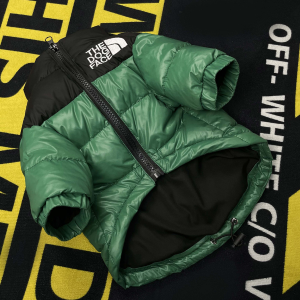
$120.00Original price was: $120.00.$99.00Current price is: $99.00. -
Winter Puffer Pet Jacket – Warm & Weather-Ready Wear
$150.00Original price was: $150.00.$93.50Current price is: $93.50. -
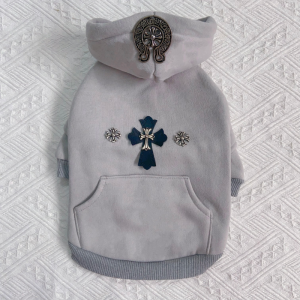
Chrome Paws Horseshoe Designer Gray Hoodie for Dogs
$80.00Original price was: $80.00.$60.00Current price is: $60.00.



Winter Food, Water, and Body Energy
Winter can change your dog’s energy needs, but extra food is not always the answer. Some dogs burn more calories in cold weather, while many indoor dogs move less and gain weight. I look at lifestyle before changing food.
Indoor Dogs Usually Do Not Need Extra Food
Many indoor dogs are less active in winter because walks are shorter and outdoor play is limited. Extra food can lead to weight gain. Keep meals consistent unless your vet recommends a change.
Active Outdoor Dogs May Burn More Energy
Dogs that work, hike, play, or spend more time outdoors in cold weather may burn more energy to stay warm. If your dog is very active in winter, ask your vet whether their diet should change.
Keep Fresh Water Available
Hydration matters in winter. Heated homes can be dry, and outdoor water bowls can freeze. Keep fresh water indoors and check outdoor bowls often if your dog spends time outside.
Watch Winter Weight Gain
Shorter walks and more indoor rest can lead to weight gain. Extra weight can add stress to joints, especially in senior dogs or dogs with arthritis. Use indoor games and short training sessions to keep your dog moving safely.
Emergency Guide: Hypothermia and Frostbite in Dogs
Hypothermia and frostbite are serious. This section is for fast recognition, not home diagnosis. If your dog seems very cold, weak, confused, painful, or has skin color changes, contact a veterinarian.
What Hypothermia Can Look Like
Hypothermia can start with shivering and curling up, then progress to weakness, slow movement, confusion, shallow breathing, low energy, and collapse. A dog with severe cold stress may stop shivering because their body is losing the ability to respond.
What Frostbite Can Look Like
Frostbite often affects paws, ears, tail, nose, and exposed skin. Skin may look pale, gray, blue, swollen, painful, blistered, or darkened. Some frostbite signs may become clearer after the dog warms up.
What to Do First
Bring your dog indoors, dry them gently, wrap them in warm blankets, and call your vet. Warm the dog slowly and safely. Keep them calm and avoid rough handling if they seem painful.
What Not to Do
Do not rub frozen skin, use direct high heat, place your dog too close to a heater, or delay veterinary care for serious symptoms. Fast but gentle action is safer than aggressive warming.
Match Winter Care to Your Dog’s Lifestyle
The best winter plan depends on how your dog lives. A small indoor dog, a short-haired dog, a senior dog, an active hiking dog, and a thick-coated breed all need different support. I match warmth, gear, and walk length to the dog’s real needs.
Small Indoor Dogs
Small indoor dogs often need sweaters, short walks, warm bedding, and careful monitoring. If your dog spends most of the day in a heated home, sudden cold can feel intense. A cozy sweater or winter coat can help during potty breaks and neighborhood walks.
Short-Haired Dogs
Short-haired dogs often need insulated coats with chest coverage. Their fur does not trap as much warm air, so wind and dampness can affect them quickly. Watch for shivering and early walk refusal.
Senior Dogs With Stiff Joints
Senior dogs need warmth, traction, and comfort. Use warm bedding, rugs on slippery floors, shorter walks, and joint-friendly routes. If cold weather makes stiffness worse, ask your vet about pain support.
Active Dogs
Active dogs may enjoy winter, but they still need paw protection, hydration, and drying after play. A water-resistant jacket can help during snow or sleet. After outdoor play, check paws, remove ice, and let your dog rest in a warm area.
Thick-Coated Dogs
Thick-coated dogs may not need clothing in mild winter weather, but they still need brushing, paw care, shelter, and water. Watch for overheating if you dress them. Their natural coat is useful, but wet fur and ice-packed paws can still cause problems.
Best Winter Dog Products to Support Warmth and Safety
Winter dog products should solve real problems: cold body, wet fur, paw irritation, low visibility, and chilly sleep areas. Supreme Dog Garage can be a helpful fit for owners who want winter warmth with a stylish look, especially for small dogs, medium dogs, short-haired dogs, and fashion-focused pet parents.
Winter Dog Coat
A winter dog coat is best for cold walks, wind, and dogs with low cold tolerance. Look for coverage across the back and chest, easy movement, and a secure fit. A good coat should help warmth without making the dog stiff or uncomfortable.
Insulated Dog Jacket
An insulated dog jacket is best for colder outdoor walks, snowy areas, and windy days. It gives stronger warmth than a light hoodie or sweater. If your dog shivers quickly, an insulated jacket may be the better choice.
Fleece Dog Sweater
A fleece dog sweater is best for dry cold, indoor chill, car rides, and mild winter days. It gives soft warmth without feeling too heavy. It works well for small dogs and short-haired dogs when the weather is cool but not wet.
Dog Hoodie
A dog hoodie is best for light warmth and casual comfort. It can be a good choice for quick walks, lounging at home, or cool-weather outings. Make sure the hood does not block your dog’s vision or hearing.
Reflective Winter Jacket
A reflective winter jacket is best for low-light morning and evening walks. It adds warmth and visibility at the same time. This is useful for U.S. dog owners who walk before work, after sunset, or near roads.
Dog Boots or Paw Balm
Dog boots and paw balm protect paws from ice, salt, and rough winter surfaces. Boots give stronger protection, while balm is easier for dogs that dislike footwear. Many owners use both depending on the weather.
Warm Dog Bed or Self-Warming Mat
A warm bed or self-warming mat is best for indoor comfort, senior dogs, and dogs that sleep on cold floors. Choose pet-safe products and place them in a draft-free area. Comfort indoors helps your dog recover after cold walks.
FAQs About How to Keep a Dog Warm in Winter
Do dogs need coats in winter?
Some dogs need coats in winter, especially small dogs, short-haired dogs, puppies, seniors, thin dogs, and dogs with health problems. Thick-coated dogs may not need coats in mild cold, but they still need shelter, dry fur, paw care, and supervision.
How cold is too cold for dogs?
Freezing temperatures around 32°F require caution, especially for cold-sensitive dogs. Below 20°F can be dangerous for many dogs. Wind, dampness, age, size, coat, and health can make cold risky even when the temperature seems moderate.
How do I know if my dog is cold?
A cold dog may shiver, lift paws, whine, slow down, curl up, tuck the tail, seek shelter, or refuse to walk. Serious signs include weakness, confusion, pale gums, shallow breathing, collapse, or skin color changes.
Should dogs wear sweaters indoors?
Some dogs can wear sweaters indoors, especially small, short-haired, senior, or cold-sensitive dogs. Watch for overheating, panting, scratching, or discomfort. Remove the sweater if your dog seems too warm or restricted.
Are dog boots necessary in winter?
Dog boots are useful in snow, ice, salt, and treated sidewalks. They are especially helpful for dogs with sensitive paws or city dogs exposed to road chemicals. If your dog hates boots, paw balm can offer lighter protection.
How can I keep my dog warm at night?
Use a warm bed, draft-free sleeping area, blankets, rugs, and safe pet heating products if needed. Keep your dog away from cold floors, windows, and exterior doors. Senior dogs may benefit from extra padding and warmth.
Can dogs get frostbite?
Yes, dogs can get frostbite, especially on paws, ears, tail, nose, and exposed skin. Watch for pale, gray, blue, swollen, painful, blistered, or darkened skin. Contact a vet if you suspect frostbite.
Can dogs get hypothermia?
Yes, dogs can get hypothermia from prolonged cold exposure, wet fur, wind chill, illness, small body size, or poor shelter. Signs can include shivering, weakness, slow movement, confusion, shallow breathing, and collapse.
How do I keep an outside dog warm in winter?
Use a raised, insulated, waterproof doghouse with dry bedding, wind protection, and fresh water that does not freeze. Bring dogs inside during harsh weather. Check outdoor dogs often for cold stress, wet bedding, paw issues, and behavior changes.
What is the best winter coat for a dog?
The best winter coat fits well, covers the back and chest, allows movement, stays secure, and matches the weather. For wet snow or rain, choose water-resistant outerwear. For low-light walks, reflective details are helpful.
Keep Your Dog Warm With Smart Winter Care
Keeping your dog warm in winter is about using the right routine, not guessing. I recommend starting with your dog’s size, coat, age, health, and behavior. Then add safe indoor warmth, fitted winter clothing, paw protection, shorter walks, grooming care, hydration, and hazard prevention. Watch early cold signs and act before discomfort becomes danger.
If your dog needs extra warmth this season, Supreme Dog Garage offers winter dog coats, cozy sweaters, hoodies, reflective jackets, and walking accessories that can help make cold-weather walks warmer, safer, and more stylish. The right product will not replace smart winter care, but it can make each cold day easier for you and your dog.

Top Dog Walking Products for Every Adventure
Make every walk an experience with premium dog walking gear from Supreme Dog Garage. Whether you’re exploring the neighborhood or hitting the trails, our curated selection of leashes, harnesses, collars, and accessories combines style, comfort, and durability, perfect for every pup and their person.
