


How to Dress a Dog Safely: A Complete Guide for Dog Owners
As pet owners, we want the best for our dogs. While dressing them in cute outfits might seem like a fun way to show off their personality, it’s important to prioritize comfort and safety when choosing clothing for your dog. Not all dogs are comfortable in clothes, and some may even find them stressful. The wrong fabric, size, or style of clothing can cause discomfort, restrict movement, and even lead to health issues like overheating or skin irritation.
In this guide, we’ll explore how to dress your dog safely, ensuring that they not only look good but also feel comfortable and protected. From the right fit and material to understanding your dog’s body language and knowing when to remove the clothes, we’ve got you covered. Whether you’re dressing your dog for warmth, protection, or special occasions, this guide will ensure that your dog’s clothing choices are safe, comfortable, and suitable for their needs.
The Importance of Comfort and Safety in Dog Clothing
Do Dogs Need Clothes?
While some dogs may need clothing for extra protection, not all dogs are comfortable wearing outfits. For instance, hairless dogs, small dogs, and those living in cold regions can benefit from wearing dog sweaters, jackets, or even raincoats to stay warm during colder months. For these dogs, clothing is not just a fashion statement; it’s essential for their comfort and health. Dogs with medical conditions such as anxiety or arthritis may also benefit from specialized clothing like a ThunderShirt or surgical vest that helps with anxiety relief or healing after surgery.
On the other hand, short-haired dogs or those living in warm climates may not need clothes regularly, but lightweight garments, such as high-visibility jackets, can be useful for safety during walks. The key is to understand when and why your dog would benefit from clothing.
Choosing Comfortable Dog Clothing
When dressing your dog, comfort should always be the priority. Clothes should not restrict your dog’s movement, breathing, or grooming. Ill-fitting clothes can cause skin irritation, fur matting, and overheating, especially in the warmer months. Therefore, choosing clothes that fit well and allow for natural movement is essential.
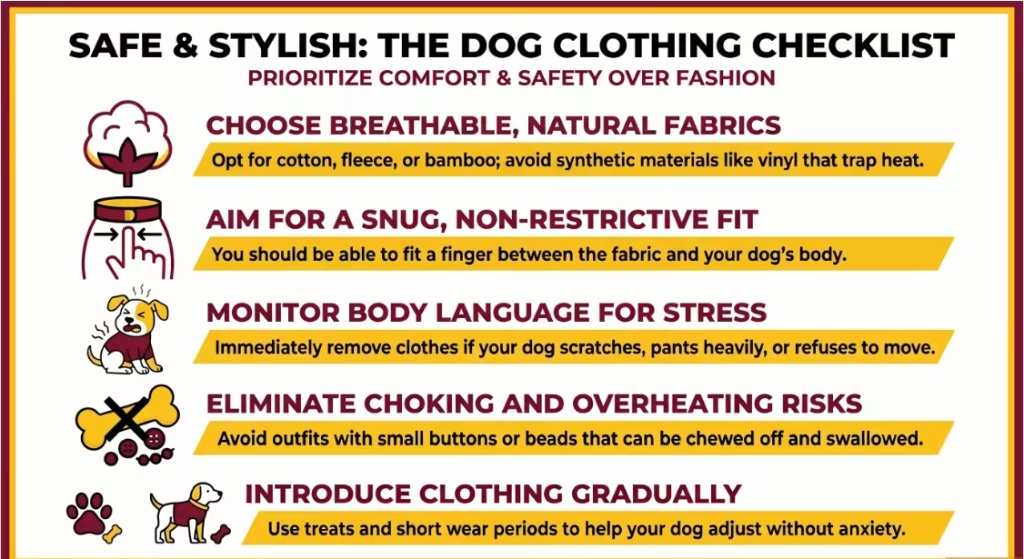
- Fit: Clothes should fit snugly but should never be tight. Measure your dog carefully to ensure the clothing isn’t restricting their neck, legs, or chest.
- Material: Choose fabrics that are breathable and soft against your dog’s skin, such as cotton, fleece, or bamboo. These materials are not only comfortable but also gentle and non-irritating.
- Avoid Synthetic Fabrics: Stay away from materials like vinyl or plastic, which can trap heat and cause sweating. Similarly, wool fabrics can irritate your dog’s skin, especially if they have sensitive areas.
When selecting dog clothing, be mindful of your dog’s body language. If they show signs of discomfort, such as excessive panting or attempting to remove the clothing, it’s a clear indication that the outfit may not be suitable.


Material | Suitable Seasons | Key Benefits | Recommended Use Cases | Potential Safety Concerns | Care and Durability (Inferred) |
Fleece | Colder weather / Winter | Warm, soft, gentle on skin, and helps retain body heat. | Chilly mornings; winter protection; hairless or small dogs. | Overheating if used in warm weather. | Extremely durable, retains shape well, and quick-drying after washing. |
Cotton | Everyday wear / Warmer months | Natural, soft, breathable, and hypoallergenic; prevents irritation. | Everyday wear; dogs with sensitive skin. | Not in source | Highly durable and very easy to machine wash, though prone to slight shrinkage. |
Wool | Winter | Provides warmth during cold periods. | Winter wear. | Can irritate skin and sensitive fur; highly flammable. | High durability for warmth but requires careful washing (often hand-wash) to prevent felting. |
Waterproof Nylon | Winter / Rainy seasons | Keeps the dog warm and dry. | Outdoor use in cold or wet weather. | Potential for overheating if not adequately ventilated. | Very durable, tear-resistant, and easy to clean with a damp cloth. |
Bamboo | Warmer months / All year | Hypoallergenic, sustainable, breathable, and lightweight. | Dogs with sensitive skin; dogs that overheat easily. | Not in source | Strong and resilient material; easy to wash and tends to maintain softness over time. |
Mesh | Warmer months | Breathable and comfortable. | Dogs in warm climates or those prone to overheating. | Not in source | Lightweight and easy to rinse, though susceptible to snags and tearing. |
Synthetic Fabrics (Vinyl/Plastic) | Not in source | Not in source | Not recommended for regular wear. | Traps heat, causes sweating, leads to overheating; highly flammable. | Generally water-resistant and easy to wipe clean, but prone to cracking over time. |
Key Considerations When Dressing Your Dog
How to Introduce Your Dog to Clothes
Introducing your dog to clothes can take some time, and the process should be gradual to avoid causing stress. Some dogs are naturally more sensitive to wearing clothes than others, and forcing them into something they aren’t comfortable with can lead to anxiety. Start slowly:
- Start with Something Simple: A soft dog sweater or a light jacket can be a good place to start. Let your dog sniff the clothing first, then gently put it on them.
- Positive Reinforcement: As you put the clothes on your dog, use positive reinforcement. Give them treats, praise, and gentle encouragement to make the experience more enjoyable.
- Short Wear Periods: Begin with short wear periods and gradually increase the amount of time your dog wears the clothes. Over time, your dog will become more accustomed to the feeling of wearing clothes.
- Watch for Stress Signals: Always pay attention to your dog’s body language. If they seem distressed or uncomfortable, remove the clothes immediately and try again later. Signs of stress include excessive scratching, pawing at the clothes, or reluctant movements.
Introducing clothing gradually ensures that your dog doesn’t feel overwhelmed and allows them to adjust to wearing it in a positive environment.
Choosing Safe Dog Costumes
When it comes to dressing your dog for special occasions like Halloween or a holiday photoshoot, it’s important to choose costumes that prioritize safety and comfort. Dog Halloween costumes can be a lot of fun, but they shouldn’t restrict your dog’s movement, hearing, or vision. Avoid costumes with small, dangling parts or accessories that could pose a choking hazard.
Here are some guidelines to keep in mind:
- Non-toxic Materials: Always choose costumes made from non-toxic materials to prevent potential harm if your dog decides to chew on them.
- Avoid Masks and Shoes: Masks and shoes may seem cute, but they often cause discomfort and restrict your dog’s ability to communicate, see, or hear properly. Limit their use, and ensure your dog can still express themselves.
- Watch for Stress: Pay attention to signs that your dog may be stressed while wearing the costume. If they’re trying to remove the costume or seem anxious, it’s best to remove it immediately.
Costumes should never prevent your dog from behaving naturally. Keep the wear periods short and always supervise them while they’re dressed up.
-
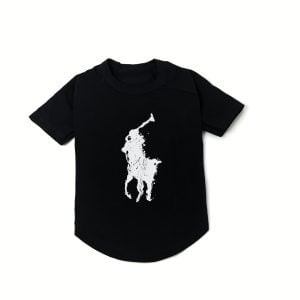
Warm Pet Vest Coat – Black Winter Wear
$66.50Original price was: $66.50.$48.50Current price is: $48.50. -
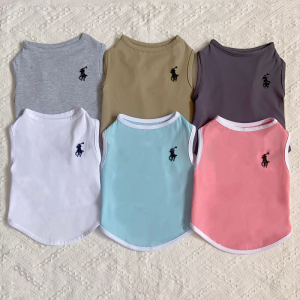
Warm Winter Pet Jacket With Hood
$120.00Original price was: $120.00.$99.00Current price is: $99.00. -
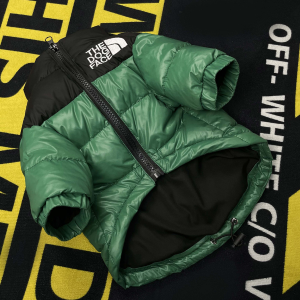
Winter Puffer Pet Jacket – Warm & Weather-Ready Wear
$150.00Original price was: $150.00.$93.50Current price is: $93.50.



Materials and Fabric Choices for Dog Clothing
The fabric you choose for your dog’s clothing plays a significant role in their comfort. Dogs have sensitive skin, and certain fabrics can cause irritation or discomfort. For the best results, opt for fabrics that are soft, breathable, and appropriate for your dog’s specific needs.
- Cotton: A natural fabric that’s soft, breathable, and hypoallergenic. It’s ideal for everyday wear and provides comfort without irritating.
- Fleece: A warm and soft material, perfect for colder weather. Fleece is gentle on your dog’s skin and helps to retain body heat.
- Bamboo: A hypoallergenic, sustainable fabric that’s breathable and lightweight. It’s great for dogs with sensitive skin or those that get hot easily.
- Avoid Synthetic Fabrics: Vinyl or plastic materials can cause your dog to overheat, and wool can irritate their skin, especially for dogs with sensitive fur.
Supreme Dog Garage offers easy-to-care-for pet apparel that remains durable and comfortable even after multiple washes.
Safety Concerns with Dog Clothing
When dressing your dog, safety should always be your top priority. Here are some critical factors to consider to ensure the clothing doesn’t pose a safety hazard:
- Proper Fit: Ill-fitting clothing can restrict your dog’s ability to move comfortably. Tight clothes can restrict their breathing, while loose clothes can catch on objects and pose a risk. Always measure your dog carefully and choose clothing that fits snugly but comfortably around the neck, chest, and legs.
- Choking Hazards: Avoid clothing with small parts, such as buttons, beads, or other decorative items, that can be easily chewed off and swallowed. These small parts can pose a choking hazard and lead to serious health issues.
- Overheating: Dogs are sensitive to temperature changes, so it’s important to choose the right clothing for the weather. Always ensure that your dog doesn’t become too warm by wearing breathable fabrics like cotton or fleece. In warm weather, avoid heavy coats or materials that trap heat.
- Avoid Flammable Fabrics: Wool, synthetic fabrics, and certain loose knits can be highly flammable and should be avoided. Always check that the clothing is made from fire-resistant materials, especially if your dog will be near open flames or heat sources.
- Supervision: Always supervise your dog while dressing them, especially during the initial stages of putting clothes on. Dogs may try to remove their clothing, and if they get caught on something, it could lead to injury.
Signs of Discomfort and Behavioral Changes
It’s essential to keep an eye on your dog’s behavior when they’re dressed. Here are some signs of discomfort to look out for:
- Excessive Scratching or Pawing: If your dog is constantly scratching or pawing at their clothes, it may indicate that the fabric is irritating their skin.
- Reluctance to Move: If your dog refuses to walk or seems stiff, it could mean that the clothing is too tight or uncomfortable.
- Panting or Excessive Drooling: Overheating is a common issue with clothing, especially in warmer weather. If your dog starts panting heavily or drooling excessively, remove the clothing immediately and ensure they have water to drink.
- Behavioral Changes: If your dog starts acting unusually, such as becoming more anxious, aggressive, or withdrawn, the clothing might be causing them stress.
If any of these signs appear, it’s essential to remove the clothing and give your dog a break. Try different clothing or adjust the fit and materials to ensure your dog is comfortable and happy.
FAQs
What is the best material for dog clothing?
For winter, materials like fleece, wool, and waterproof nylon are ideal for keeping your dog warm. In warmer months, cotton and mesh fabrics are breathable and comfortable.
How do I know if my dog is uncomfortable in their clothing?
Signs of discomfort include excessive licking, attempts to remove clothing, or unusual behavior such as reluctance to walk or sit.
Can I put clothes on a puppy or a senior dog?
Puppies and senior dogs often benefit from clothing to stay warm, but make sure to choose soft, non-restrictive options. Avoid heavy layers for puppies or senior dogs with mobility issues.
How tight should my dog’s sweater be?
A dog’s sweater should fit snugly but not tightly. You should be able to fit a finger between the fabric and your dog’s body so they can move comfortably.
Conclusion: Dressing Your Dog Safely and Comfortably
Dressing your dog safely goes beyond just looking cute; it’s about making sure they’re comfortable, protected, and healthy while wearing clothes. Always prioritize comfort, proper fit, and safe materials when choosing clothing for your dog. By gradually introducing clothing, watching for signs of discomfort, and selecting the right fabrics, you can ensure your dog enjoys wearing it without stress.
If you’re looking for safe, stylish, and comfortable dog clothing, check out our dog clothing collection at Supreme Dog Garage. Whether you need a dog jacket for winter, a dog sweater for chilly mornings, or a fun dog Halloween costume, we’ve got you covered with high-quality products designed with your dog’s safety and comfort in mind.

Top Dog Walking Products for Every Adventure
Make every walk an experience with premium dog walking gear from Supreme Dog Garage. Whether you’re exploring the neighborhood or hitting the trails, our curated selection of leashes, harnesses, collars, and accessories combines style, comfort, and durability, perfect for every pup and their person.
