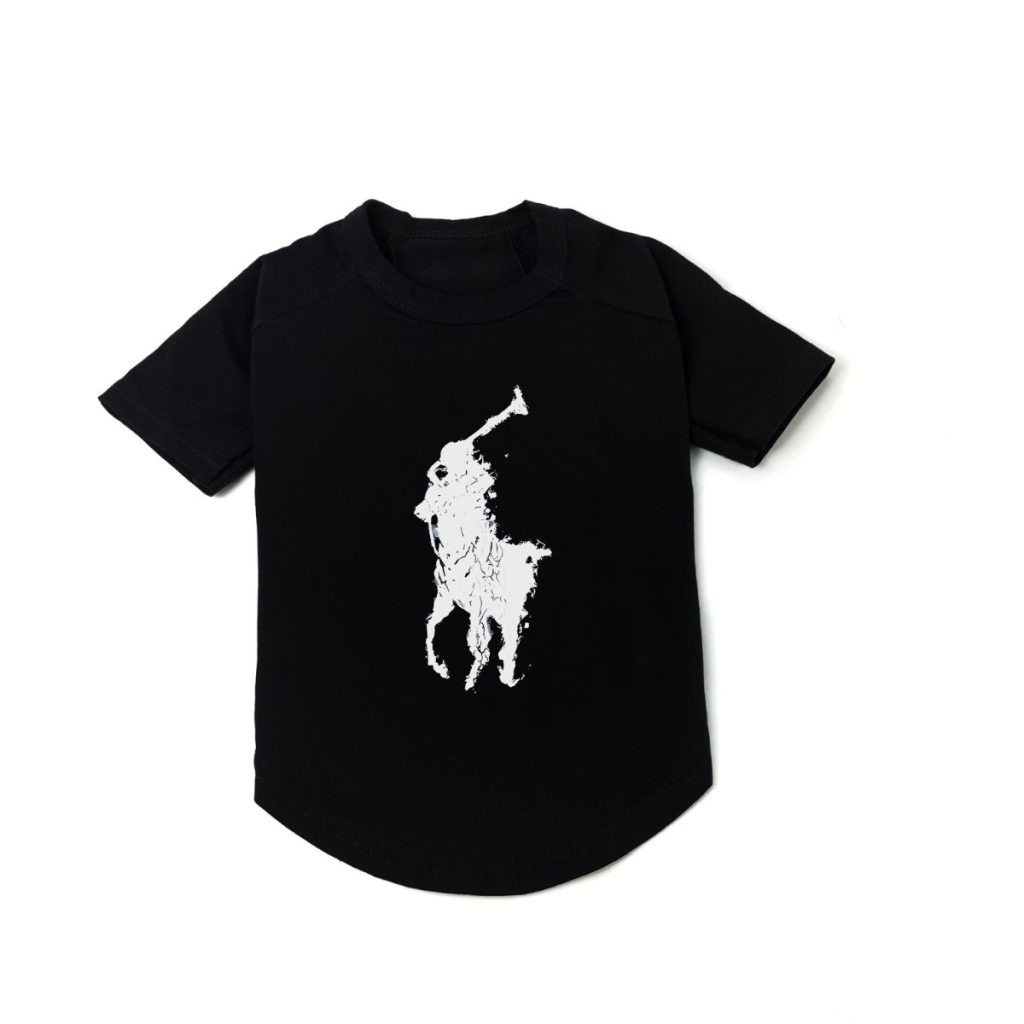
How to Choose the Best Clothes for Dogs: Fit, Fabric and Style
Choose dog clothes in this order: need, fit, fabric, then style. First decide whether your dog genuinely benefits from a layer, because many double-coated breeds do not. Then measure neck, chest girth and back length, and buy from those numbers rather than your dog’s weight. Then match the fabric to the job the garment has to do. Style comes last, and it is the easiest part to get right.
That order matters because almost every bad purchase comes from reversing it. A beautiful coat in the wrong size is useless, and a well-fitting fleece on an Alaskan Malamute in October is just a heat trap.
Key takeaways
- Not every dog needs clothes. Thin single-coated, small, senior, puppy, clipped, post-surgical and arthritic dogs often do. Double-coated northern breeds almost never do.
- Chest girth is the measurement that decides the size. Back length decides coverage; neck circumference decides comfort at the opening.
- Size by measurements, never by weight. Two dogs of identical weight can need garments two sizes apart.
- Match fabric to purpose. Fleece for dry cold, a DWR-treated shell for wet, cotton jersey for indoors and mild days, insulated layers for hard winter.
- Construction separates good from decorative. Flat seams, a harness opening, a zipper guard and the right closure matter more than the print.
- Never leave clothing on an unsupervised or crated dog. Snag and strangulation risk is real, and overheating happens quietly.
Does your dog actually need clothes?
Most healthy, well-coated adult dogs do not need clothing for warmth in mild weather. Some dogs genuinely do, and the difference comes down to how a dog regulates its own temperature.
How dogs regulate temperature
Thermoregulation is the body’s process of holding a stable internal temperature. A dog’s normal range is roughly 101–102.5°F (38.3–39.2°C). Dogs lose heat by radiation from the skin, by convection as moving air strips warmth from the coat, and by conduction wherever the body touches cold ground: paws, belly and the underside of the chest. They shed excess heat mainly by panting, because functional sweat glands are limited largely to the paw pads.
Two factors decide how fast a dog loses heat.
Surface-area-to-mass ratio. Small dogs have more skin per unit of body mass than large dogs, so they radiate heat away faster. A 5 lb (2.3 kg) Chihuahua cools far more quickly than a 70 lb (32 kg) Labrador Retriever in the same conditions, which is the physics behind why toy breeds shiver first.
Coat architecture. A double coat has two layers: coarse outer guard hairs that shed water and dirt, and a dense undercoat of short, soft hairs that traps a layer of still air against the skin. That trapped air is the insulation. The American Kennel Club notes that this undercoat regulates temperature in both directions, which is why shaving a double-coated dog is discouraged. A single coat has guard hairs with little or no undercoat, so there is almost no trapped air and very little insulation. If you want to work out which category your dog falls into, our guide to dog coat types and what each layer does walks through the structure in detail.
Dogs that genuinely benefit from clothing
- Thin single-coated breeds. Italian Greyhound, Whippet, Greyhound, Chinese Crested, Xoloitzcuintli. Minimal coat, thin skin, very little subcutaneous fat.
- Small dogs with a high surface-area-to-mass ratio. Chihuahua, Yorkshire Terrier, Toy Poodle, Pomeranian in wind or wet.
- Short-haired and smooth-coated dogs. French Bulldog, Boston Terrier, Pug, smooth Dachshund, Vizsla, Weimaraner.
- Seniors and arthritic dogs. Reduced muscle mass, lower metabolic output and stiffer joints. Warmth helps them stay comfortable on cold walks.
- Puppies under about four months. Thermoregulation is still developing and their coat is immature.
- Clipped, shaved or alopecic dogs. Groom-shaved Poodles and Bichons, and dogs with friction alopecia (hair loss) or clipped surgical sites, have lost their insulation.
- Post-surgical and medical cases. A soft recovery layer can protect a wound site, though follow your veterinarian’s instruction rather than substituting a fashion garment for a prescribed recovery suit.
- Dogs with thin skin or sun-sensitive pink skin, where a light woven layer reduces direct exposure.
The AVMA is explicit that fur is not frost-proofing: small breeds, thin-coated breeds, the very young, the very old, the arthritic and the medically unwell all have a harder time in cold weather. VCA Animal Hospitals makes a similar point in its guidance on what to consider when choosing a dog jacket.
Dogs that rarely need clothing
Be honest with yourself here, because over-dressing an insulated dog causes real problems.
Double-coated northern and mountain breeds (Siberian Husky, Alaskan Malamute, Samoyed, Bernese Mountain Dog, Great Pyrenees, Newfoundland, Keeshond, Akita) are built for cold. Adding a coat compresses the undercoat, which flattens the trapped air layer and can actually reduce the coat’s insulating value while adding heat. These dogs will usually tell you clearly: they lie down in snow and refuse to move.
Thick-coated working breeds in mild conditions (Golden Retriever, Border Collie, German Shepherd, most spitz types) need nothing above about 40°F (4°C) for normal activity.
For these dogs, clothing is a styling choice, not a welfare one, and that is a legitimate choice as long as wear time is short and supervised. A lightweight woven vest for a photo walk is fine. A sherpa-lined parka on a Samoyed is not.
One honest exception: even heavy-coated dogs benefit from a waterproof shell in sustained cold rain, because a saturated coat loses most of its insulating value. Water displaces the trapped air. A thin, unlined, breathable shell solves that without adding warmth.
Temperature guidance: when a layer actually helps
Use temperature as a starting point, then adjust for your individual dog. PetMD’s veterinary guidance on how cold is too cold for a dog is consistent with the thresholds below, and both AVMA and PetMD stress that wind, wet and time outdoors shift the numbers considerably.
Temperature | Thin / single coat, toy breeds | Short-haired medium breeds | Double-coated breeds |
Above 60°F / 16°C | No layer needed | No layer needed | No layer needed |
50–60°F / 10–16°C | Light knit or tee if windy or wet | Nothing | Nothing |
45–50°F / 7–10°C | Light sweater or fleece | Light layer if wet or windy | Nothing |
32–45°F / 0–7°C | Insulated coat or fleece-lined layer | Sweater or light insulated coat | Nothing; shell only in heavy rain |
20–32°F / -7–0°C | Insulated coat; limit time outdoors | Insulated coat | Usually nothing |
Below 20°F / -7°C | Insulated coat, short outings only | Insulated coat, short outings only | Monitor closely; limit exposure |
Below 0°F / -18°C | Risk to all dogs. Brief, supervised outings only | Same | Same |
Adjust downward (more protection needed) for: dogs under 10 lb (4.5 kg), dogs over about eight years old, puppies, wet or windy conditions, wet fur, arthritic dogs, dogs with heart, kidney or endocrine disease, and recently clipped dogs.
Adjust upward (less protection needed) for: heavy exercise, dogs over about 50 lb (23 kg) with a dense coat, bright sun with no wind, and short bathroom breaks rather than walks.
Watch the dog, not the thermometer. Shivering, a tucked tail, lifting or shaking paws, refusing to walk forward, hunching, and seeking doorways are all signs a dog is too cold. The AVMA lists whining, shivering, anxiety, slowing and burrowing as early signs of hypothermia, a dangerously low body temperature. Frostbite risk concentrates in the extremities, and VCA’s guidance on frostbite in dogs notes that ear tips, tail tip and paws are most exposed. Clothing does not protect those areas, so a coat is not a license to extend a walk in extreme cold.
Fit: the part that decides everything
Fit is the single most important factor in choosing dog clothes. A garment that fits badly is not just unflattering; it chafes, restricts the shoulder, slips and becomes a snag hazard. Get three measurements and the rest of the decision becomes straightforward.
How to measure your dog for clothes
You need a soft fabric measuring tape. If you do not have one, use string or a shoelace, mark where it overlaps, then lay it flat against a ruler, a method the AKC also recommends in its measuring guide.
Step 1. Get the dog standing square. Measure a standing dog, weight evenly on all four legs, head level and facing forward. A sitting dog’s chest compresses and the spine curves, which can throw back length out by two inches or more. Have a second person offer a treat at nose height to hold the pose.
Step 2. Neck circumference. Wrap the tape around the base of the neck, where a collar naturally sits, just forward of the withers (the ridge between the shoulder blades). Keep the tape flat against the coat, snug but not compressing. This number governs the neck opening of sweaters and hoodies.
Step 3. Chest girth. This is the measurement that decides the size. Wrap the tape around the deepest, widest part of the ribcage, immediately behind the front legs, and bring it up over the withers. Girth is where a garment either closes or does not. On a deep-chested dog this is the number that will fail first.
Step 4. Back length (topline). Measure along the top of the spine from the base of the neck, where the collar sits, to the base of the tail. This is the topline measurement, and it determines coverage. A garment shorter than this leaves the loin exposed; much longer than this gets in the way when the dog relieves itself.
Step 5. Apply the two-finger rule. On both circumference measurements, you should be able to slide two fingers flat between the tape and your dog. On very small dogs, use one finger. This is the clearance that lets the dog breathe, move and lie down.
Optional but useful: measure tuck-up girth (the circumference at the narrowest point of the waist, in front of the hind legs) if your dog is a sighthound, and front leg spread if you are buying a step-in garment with sleeves.
Write the numbers down in both inches and centimeters and keep them in your phone. Re-measure every three months for a growing puppy, and after any significant weight change. If you are buying for a puppy and want to anticipate the adult frame, our dog size calculator estimates mature size, and the full size and fit guide sets out our own measurement bands.
Why you size by measurements, not weight
Weight tells you almost nothing about shape. Two dogs at 20 lb (9 kg) can need entirely different garments: a Miniature Dachshund has a long topline and a modest girth, while a Pug has a short topline and a barrel chest. Sized by weight, one of them will always be wrong. Body condition compounds the problem: a lean and an overweight dog of identical weight differ by inches of girth.
Weight-based charts persist because they are easy to print, not because they work. Treat any weight range on a size chart as a sanity check and the girth range as the actual specification.
Reference measurement bands
Use this as orientation only. Sizing varies between brands, between styles within a brand, and between a stretch knit and a woven shell. Always check the specific product’s chart.
Size | Neck | Chest girth | Back length | Typical dogs |
XS | 7–9 in / 18–23 cm | 11–14 in / 28–36 cm | 8–10 in / 20–25 cm | Chihuahua, Yorkshire Terrier, Toy Poodle |
S | 9–11 in / 23–28 cm | 14–17 in / 36–43 cm | 10–13 in / 25–33 cm | Pomeranian, Shih Tzu, Miniature Dachshund |
M | 11–14 in / 28–36 cm | 17–21 in / 43–53 cm | 13–16 in / 33–41 cm | Pug, Boston Terrier, small French Bulldog |
L | 14–17 in / 36–43 cm | 21–26 in / 53–66 cm | 16–20 in / 41–51 cm | Cocker Spaniel, Whippet, Miniature Schnauzer, French Bulldog (male) |
XL | 17–20 in / 43–51 cm | 26–31 in / 66–79 cm | 20–24 in / 51–61 cm | Labrador Retriever, Border Collie, Boxer |
XXL | 20–24 in / 51–61 cm | 31–36 in / 79–91 cm | 24–28 in / 61–71 cm | German Shepherd, Golden Retriever, Rottweiler |
Broad-chested brachycephalic breeds commonly size up a band. An adult male French Bulldog often measures 19–24 in (48–61 cm) at the chest, so many males land in L on girth while their back length still reads M. Size to the chest and correct the length with an adjustable hem or a style cut short in the body. The same applies to Pugs and Bulldogs carrying extra condition.
Larger and deeper-chested dogs are frequently mis-served by generic bands, which is why our large dog clothing range is cut on its own grading rather than scaled up from a small-dog block.
What to do when your dog is between sizes
The standard advice, always size up, is too crude. The right answer depends on how the garment is built.
- Stretch knits (sweaters, cardigans, cotton jersey tees, elastane blends): take the smaller size if you are within about half an inch of the upper limit. Knit accommodates, and the larger size will sag, roll at the neck and slip sideways.
- Woven and non-stretch shells (raincoats, windbreakers, parkas, softshell): take the larger There is no give, and a tight woven shell restricts the shoulder. Then check the back length does not overshoot the tail base.
- Insulated coats: size up, because insulation loses efficiency when compressed, and allow room for a thin base layer underneath in deep winter.
- Anything with sleeves: size up, and prioritize front leg spread and girth over back length. Sleeves are where restriction becomes a welfare issue.
- If girth and back length point to different sizes: buy for girth and look for an adjustable element (a hook-and-loop belly strap, a drawcord-free elastic hem or a side-adjustable panel) to correct the length.
How fit differs by body shape
Size bands assume an average dog. Few dogs are average.
Deep-chested sighthounds (Greyhound, Whippet, Italian Greyhound, Saluki). The chest is deep and narrow, the waist dramatically tucked, and the neck long. Standard garments gape at the waist and strain at the chest. Look for a tapered cut with a defined waist, a long neck opening, and generous chest depth relative to girth. Size by chest depth, not by weight, and expect a dedicated sighthound cut to beat a generic one every time.
Barrel-chested brachycephalics (French Bulldog, Pug, Boston Terrier, Bulldog). Brachycephalic means short-muzzled; these breeds have a broad, rounded ribcage, short topline, thick neck and wide front leg set. The neck opening is the usual failure point. Choose a wide, low neckline with no compression at the throat, a short back length, and a wide front panel. Avoid anything snug at the neck or chest, because breeds predisposed to BOAS (brachycephalic obstructive airway syndrome) need completely unrestricted airway and chest expansion. Avoid high-necked, close-fitting turtleneck styles entirely.
Long-backed, short-legged breeds (Dachshund, Corgi, Basset Hound, Skye Terrier). Topline length far exceeds what a girth-matched size will provide. Buy for back length and accept a looser chest, or choose a style graded specifically for long bodies. Watch leg-hole placement: holes set too far back pull the garment up and bunch it at the shoulder. Ground clearance matters too: hems should not drag.
Heavy-coated breeds (German Shepherd, Golden Retriever, Chow Chow, Collie). Coat adds one to two inches of apparent girth that compresses under a garment. Measure through the coat as it sits naturally, then prefer a slightly roomier fit. Compressed coat equals lost insulation, so loose and light beats snug and warm. Check for matting under straps after wear.
Growing puppies. Do not buy ahead by more than one size. Loose clothing is a snag hazard, and a puppy will chew what it can reach.
Fabric: a materials guide
The right fabric depends entirely on what the garment has to do. Warmth, breathability, stretch, water resistance, durability and washability trade off against each other, and no single material wins on all six.
Two specifications are worth knowing. GSM (grams per square meter) is fabric weight: 150 GSM fleece is a light mid-layer, 300 GSM is a warm one. Denier describes the thickness of yarn in synthetic shells: 20D nylon is featherweight and fragile, 210D is a practical everyday shell, 600D is abrasion-resistant and stiff. DWR stands for durable water repellent, a topical finish that makes water bead and roll off rather than soak in. DWR is a finish, not a membrane, and it wears out.
Material | Warmth | Breathability | Stretch | Water resistance | Durability | Washability | Best use | Drawbacks |
Cotton jersey | Low | High | Medium | None | Medium | Easy, machine wash | Indoor tees, mild-weather layers, sensitive skin | Absorbs and holds water; shrinks; wears through at friction points |
Cotton-polyester blend | Low | High | Medium | Low | High | Easy | Everyday tees and hoodies | Slightly less soft than pure cotton |
Polar fleece | High for weight | Medium | Low–medium | Low (sheds light drizzle) | Medium | Easy, dries fast | Dry cold, indoor warmth, mid-layers | Pills with wear; generates static; wind passes straight through |
Sherpa fleece | Very high | Low | Low | Low | Medium | Machine wash cool; avoid high heat | Linings for winter coats, cold-weather sweaters | Bulky; mats and compresses; overheats active dogs |
Merino wool | High, warm even when damp | High | Medium | Medium (naturally water-shedding) | Medium | Hand wash or wool cycle; air dry | Premium sweaters, odor control, variable conditions | Expensive; shrinks with heat; can irritate wool-sensitive dogs |
Acrylic / wool-blend knit | Medium–high | Medium | High | Low | Medium | Easy | Classic sweaters and cardigans | Pills; cheap acrylic can feel scratchy and build static |
Polyester woven (taffeta, microfiber) | Low alone | Medium | Low | Medium with DWR | High | Easy, quick dry | Shell fabrics, linings, raincoats | Can feel clammy without a vent or mesh lining |
Nylon ripstop | None alone | Medium | Low | High with DWR | Very high | Easy | Windbreakers, packable shells, hiking layers | Noisy and crinkly, which startles sound-sensitive dogs |
Softshell (bonded woven + fleece back) | Medium | Medium–high | Medium | Medium | High | Machine wash cool, no softener | Active cold-weather wear, hikes | Not fully waterproof; heavier than a plain shell |
Neoprene | High | Very low | High | Very high | High | Rinse and air dry | Water sports, swim vests, very short wet-cold exposure | Traps heat and moisture against skin; can cause chafing and contact dermatitis if worn for long periods |
Down fill (goose/duck) | Highest per gram | Low | None | Poor when wet | Medium | Specialist wash only; dry thoroughly | Dry, still, very cold conditions | Collapses when wet and stops insulating; slow to dry; needs a DWR shell; unsuitable for wet climates |
Synthetic insulation (polyester fill) | High | Low–medium | None | Retains most warmth when damp | High | Machine wash, tumble low | The default choice for winter coats in most climates | Bulkier than down for the same warmth |
Elastane / spandex blend (2–8%) | Depends on base | Depends on base | Very high | None | Medium | Cool wash; heat degrades the fiber | Adding movement to jersey, knits and tracksuits | Loses recovery over time; too much elastane creates constant compression |
Mesh lining | None | Very high | Low | None | Medium | Easy | Lining for shells and insulated coats | Open weave can catch on long coats and claws |
PU-coated / waterproof shell | Low alone | Low unless vented | Low | Highest | Medium–high | Wipe or cool wash; never tumble hot | Sustained rain, snow, muddy walks | Coating cracks with age; condenses inside without ventilation |


Which garment type do you actually need?
Garment | What it does | Right for | Not right for |
Tee / shirt | Light coverage, no warmth | Indoors, 60°F+ / 16°C+, sun-sensitive skin, shed control on furniture, styling | Any real cold; rain |
Hoodie | Light to medium warmth, casual coverage | 45–60°F / 7–16°C, dry conditions, everyday wear | Wet weather; dogs that dislike anything near the head |
Sweater / cardigan | Medium warmth, high stretch | Indoor warmth for thin-coated and senior dogs, 40–55°F / 4–13°C dry | Rain, mud, active off-leash running (snags) |
Vest | Core warmth, full shoulder freedom | Active dogs, transitional weather, dogs that resist sleeves, arthritic dogs needing easy dressing | Deep cold without a second layer |
Windbreaker / raincoat | Blocks wind and water, little insulation | Rain, sleet, wind at any temperature; heavy-coated dogs in wet | Dry cold as a sole layer |
Insulated parka | High warmth plus weather protection | 32°F / 0°C and below for thin-coated, small, senior dogs | Mild weather; active dogs on long runs |
Tracksuit / jumpsuit | Four-leg coverage, medium warmth | Mud and debris protection, post-groom warmth, dogs that need full coverage | Dogs that object to sleeves; hot weather |
Snowsuit / full coverage | Maximum coverage including legs and belly | Deep snow, road salt exposure, very short-coated small dogs in hard winter | Anything above about 35°F / 2°C |
In practice, work from the job the garment has to do:
- Dog sweaters for dry indoor and transitional warmth.
- Dog hoodies for everyday fall wear. A plain mid-weight piece such as the Classy dog hoodie covers most of that range.
- Vests where shoulder freedom matters most.
- Windbreakers and raincoats for wet conditions at any temperature.
- Insulated dog winter coats once temperatures drop below freezing. For parka-weight warmth with a hood, The Dog Face Puptse hooded winter jacket is the pattern to look for: insulated body, hood that lies flat when not up, and a harness opening.
Layering works for dogs much as it does for people. A thin merino or jersey base layer under a shell handles a wider temperature range than one thick coat, and lets you strip a layer when the dog warms up on the move.
Construction quality: what to inspect before you buy
Fit and fabric decide whether a garment works. Construction decides whether it lasts and whether it stays comfortable through an hour of wear.
Seams. Look for flat-locked or covered seams, especially along the belly, inside the sleeves and around the leg openings. Exposed overlocked seam allowance rubs, and on a thin-coated dog it will raise a friction mark within a couple of walks. Run a finger inside every seam you can reach; if it feels rough to you, it is rough on skin.
Zippers and hardware. A zipper needs a fabric guard or garage at the top so the slider cannot contact skin or catch coat. Check the pull is small and smooth with no sharp edges. Quality metal zippers (YKK is the benchmark) outlast molded plastic on anything that gets opened daily. Snaps should sit on a reinforced panel, not on single-layer fabric.
Harness compatibility. A good walking garment has a reinforced D-ring slot or a leash port on the back so a harness can be worn underneath with the attachment point passing through. Without it you either put the harness over the coat, which lets the coat shift and bunch, or you skip the garment. Check the slot is finished with binding or a bartack rather than raw-cut.
Leg-hole shape. Leg openings should be oval and angled forward, following the natural line of the shoulder, not punched as round holes. Round holes bind the shoulder at the top of the stride. Stretch binding or a soft rib finish at the opening prevents rubbing in the armpit, which is the most common chafe point on any dog garment.
Belly coverage and male anatomy. Full-coverage garments need a cutaway or a shortened underside panel for male dogs, or they get soiled at every bathroom break. Check the belly panel ends well forward of the prepuce. For female dogs, full belly coverage is usually fine, but check the hem clears the vulva. A garment that wicks urine against skin is a hygiene problem, not an inconvenience.
Reflective detail. Reflective piping or a printed reflective panel is worth having on anything used for walks after dark. It costs nothing and does more for safety than most features.
Closures, matched to the dog.
Closure | How it works | Best for | Avoid for |
Step-in | Dog places front legs into holes, garment fastens on the back | Confident dogs, quick dressing, dogs that dislike anything over the head | Arthritic dogs and dogs with shoulder or elbow pain; dogs that resist paw handling |
Over-the-head | Pulled on like a pullover sweater | Stretchy sweaters on tolerant dogs | Anxious dogs (the brief blackout is aversive); arthritic necks; brachycephalic dogs with narrow neck openings |
Hook-and-loop (Velcro) wrap | Garment opens flat, wraps around and fastens | Arthritic and senior dogs, post-surgical dogs, nervous first-timers (no legs lifted, no head covered) | Sound-sensitive dogs (the rip is loud); crated dogs; long-coated dogs, as it catches hair |
Full-length zip | Opens flat or along the side | Easy dressing with minimal manipulation; secure fit | Dogs with dense coat that catches in the teeth, unless there is a guard |
Snap buttons | Press studs along belly or back | Quiet dressing, easy adjustment | Dogs that chew garments; small snaps are an ingestion risk if they detach |
For a dog with arthritis or any orthopedic pain, a garment that opens completely flat and wraps on is the single biggest comfort upgrade you can make. For an anxious dog, choose quiet closures and avoid anything that passes over the eyes.
-
Louis Pawtton Hero Brown Checkered Designer Leather Dog Harness and Leash Set
$35.00 – $94.50Price range: $35.00 through $94.50 -
Pawcci Designer Dog Harness And Leash Set
$59.50Original price was: $59.50.$39.00Current price is: $39.00.Rated 5.00 out of 55.0 (7) -
Furry Berry Plaid Bow Tie Dog Collar And Leash
$20.00 – $35.00Price range: $20.00 through $35.00 -
Furdi FF Monogram Designer Dog Harness And Leash
$26.00 – $57.50Price range: $26.00 through $57.50Rated 5.00 out of 55.0 (2)


Safety: non-negotiables
- No small detachable parts. Buttons, bows, bells, beads, plastic charms and appliqués can be chewed off and swallowed, risking a gastrointestinal obstruction. If a part can be pulled off by hand, assume it will be.
- No drawstrings or dangling cords. These are a strangulation and tourniquet risk. If a garment has a cord, remove it before the dog wears it.
- Never leave clothing on an unsupervised dog. Sleeves, straps and hook-and-loop catch on crate bars, furniture, fence wire and branches. A dog that panics while caught can injure itself badly.
- Never leave clothing on a crated dog, at all. Crate bars are the most obvious snag point of all, and a crated dog has nowhere to move away from what has caught it.
- Check underneath after every wear. Look at the armpits, groin, neck and anywhere a strap sits. Redness, flattened matted coat or bare patches mean the fit or the wear time is wrong.
- Watch for heat stress. Clothing is an insulating layer and dogs cool mainly by panting. Signs of heat stress include panting that does not settle with rest, thick drooling, bright red gums and tongue, seeking cold surfaces, lagging or refusing to continue, and unsteadiness. Remove the garment immediately, move the dog somewhere cool, offer water and call your veterinarian if the dog does not recover quickly.
- Remove clothing indoors unless the house is genuinely cold and the dog is thin-coated or recovering.
- Keep wet garments off the dog. A soaked layer against skin cools faster than no layer at all.
- Respect refusal. A dog that freezes, flattens, backs away or repeatedly tries to remove a garment is telling you something. Our guide to why some dogs do not want to wear clothes covers how to read and respond to that.
Style: choosing something that actually suits your dog
Style decisions are easy once fit and fabric are settled. Two principles do most of the work.
Match the garment to the dog’s proportions. Long, low dogs look best in pieces with a clean horizontal line and minimal bulk at the waist: fitted knits and trim vests rather than voluminous puffers. Compact, square dogs like French Bulldogs carry volume well: hoodies, puffers and oversized streetwear shapes sit correctly on a broad chest and short back. Tall, narrow sighthounds suit tailored, tapered pieces with vertical interest, and look awkward in boxy cuts. Heavy-coated breeds suit simple, structured shells that do not fight the coat for visual space.
Work with the coat color, not against it. Black and dark-coated dogs carry high-contrast colors well: cream, camel, red, bright white, saturated brights. Cream and white coats suit mid-tones and jewel colors; white on white disappears. Tan, fawn and brindle coats pair naturally with earth tones, olive, camo and leopard. Merle and heavily patterned coats look best in a solid color drawn from the coat itself, because pattern on pattern reads as noise.
Build a small functional wardrobe rather than a large decorative one. For most dogs in a four-season climate, five pieces cover everything:
- A cotton jersey tee for indoors and mild days.
- A mid-weight sweater or hoodie for 45–60°F / 7–16°C.
- A DWR-treated shell for wind and rain.
- An insulated coat for below freezing.
- One piece you simply like, for occasions.
Five good pieces that fit beat fifteen that nearly do. Fill gaps as they appear rather than shopping by impulse.
Care and washing
Garment care is where most owners unknowingly ruin a good coat.
Wash regularly but gently. Anything worn daily should be washed weekly. Turn garments inside out, close all fasteners, use a cool cycle (30°C / 86°F) and a mild, fragrance-free detergent. Residual detergent is a genuine skin irritant, so run an extra rinse.
Never use fabric softener on technical fabrics. Softeners deposit a waxy, surfactant-based film on the fibers. That film attracts and holds water, which is the exact opposite of what a DWR finish does: it destroys water repellency and clogs the breathability of membranes and fleece alike. Softener also reduces fleece’s warmth by matting the pile.
Re-proof a DWR finish when water stops beading. DWR wears off with abrasion and washing. When rain soaks into the shell instead of rolling off, wash the garment with a technical cleaner, then apply a wash-in or spray-on DWR product, then reactivate with low heat, either a cool tumble dry or a warm iron through a cloth, following the garment label. Expect to re-proof roughly once a season on a coat used in regular rain.
Dry insulation properly. Down and synthetic fill must be fully dry before storage or the loft collapses and the garment smells. Tumble dry on low with a couple of clean tennis balls to break up clumps, or air dry over several days.
Watch for shrinkage. Untreated cotton can shrink 3–5% on the first wash, which is enough to move a borderline fit into a tight one. Wash cotton cool, air dry rather than tumble, and if a cotton garment is already snug, do not buy it expecting it to loosen.
Inspect while you wash. Check seams, hook-and-loop pile (it clogs with hair and stops gripping, so comb it out), zipper teeth and the D-ring slot. Retire a garment once a seam has opened or the hook-and-loop no longer holds.
How to introduce clothes to a dog that resists
Go slowly. Most refusal is novelty and restriction, not permanent dislike. Five short, positive sessions beat one long struggle.
- Introduce the object. Put the garment on the floor. Let the dog sniff it. Reward calm interest with a high-value treat. Two minutes.
- Associate touch. Drape it loosely over the dog’s back for three to five seconds, treat, remove. Repeat five or six times. Do not fasten anything.
- Fasten briefly. Close the garment, treat continuously for ten to twenty seconds, then remove while the dog is still relaxed. Always end before the dog objects.
- Add movement. With the garment on, walk two or three steps, reward, remove. Movement is usually the step that bothers dogs most, because the garment shifts against the coat.
- Extend with purpose. Put it on immediately before something the dog enjoys: a walk, a meal, a car trip. The garment becomes a cue for good things rather than an event in itself.
Stop any session the moment the dog freezes, lip-licks repeatedly, yawns out of context, turns away or tries to bite the garment. Those are stress signals, and pushing through them makes the next session worse.
Choose a vest or a flat-wrap garment for the first attempts, not an over-the-head sweater with sleeves. Sleeves are the most restrictive feature and the last thing to introduce. Some dogs will accept a vest permanently and never tolerate sleeves, and that is a perfectly good outcome. Our piece on whether dogs actually like wearing sweaters covers what the behavioral evidence does and does not show.
FAQ
What is the most important measurement for dog clothes?
Chest girth: the circumference of the ribcage at its widest point, just behind the front legs. It is the widest part of the body, so it is the measurement that decides whether a garment closes and whether it restricts movement. Back length determines coverage and neck circumference determines comfort at the opening, but girth decides the size.
Should I size up or down if my dog is between sizes?
It depends on the garment. For stretch knits and jersey, take the smaller size, because knit accommodates and the larger size will slip and sag. For non-stretch wovens like raincoats, windbreakers and parkas, take the larger size, because there is no give and a tight woven shell restricts the shoulder. Insulated coats should always be sized up.
Do dogs really need clothes, or is it just fashion?
Both, depending on the dog. Thin single-coated breeds, toy breeds, short-haired dogs, seniors, young puppies, clipped dogs and dogs recovering from surgery get a genuine benefit in cold or wet conditions. Double-coated northern breeds like Huskies, Malamutes and Samoyeds do not need clothing for warmth, and over-dressing them can compress the insulating undercoat and cause overheating.
At what temperature does my dog need a coat?
As a general guide, thin-coated and toy breeds benefit from a layer below about 50°F (10°C) and need insulation below 45°F (7°C). Short-haired medium breeds usually need something below 45°F (7°C). Double-coated breeds typically need nothing above freezing. Below 20°F (-7°C), all dogs face hypothermia and frostbite risk and outings should be short.
What is the best fabric for dog clothes?
There is no single best fabric. Cotton jersey is the most breathable for indoor and mild-weather wear. Fleece gives the most warmth per gram in dry cold. Merino wool insulates even when damp and resists odor. Nylon ripstop with a DWR finish is the best choice for wind and rain. Synthetic insulation beats down in any climate where the coat might get wet.
Can dog clothes cause skin problems?
Yes, though usually mechanically rather than allergically. Poor fit causes chafing at the armpit, groin and neck, and prolonged wear can cause pressure sores and friction hair loss. Non-breathable materials like neoprene worn too long trap moisture against skin. Detergent residue and dyes can cause contact dermatitis. Check under the garment after every wear and see your veterinarian about any persistent redness or itching.
Is it safe to leave clothes on my dog all day?
No. Remove clothing indoors unless the house is genuinely cold and your dog is thin-coated or recovering from surgery. Never leave a garment on an unsupervised or crated dog, because sleeves, straps and hook-and-loop catch on crate bars and furniture. Clothing is also an insulating layer, so continuous wear raises the risk of overheating.
Will a coat keep my dog’s paws and ears safe in winter?
No. A coat protects the trunk only. Ear tips, tail tip and paws are the areas most at risk of frostbite, and clothing does not cover them. Booties and a paw balm help with paws and road salt, but the real protection in extreme cold is shorter outings rather than more gear.

Top Dog Walking Products for Every Adventure
Make every walk an experience with premium dog walking gear from Supreme Dog Garage. Whether you’re exploring the neighborhood or hitting the trails, our curated selection of leashes, harnesses, collars, and accessories combines style, comfort, and durability, perfect for every pup and their person.