


German Shepherd Dog Coat Types: Choosing Clothes and Accessories for Every Coat
Reviewed and Updated: August 8, 2026.
German Shepherds are one of the most popular breeds in the US, admired for their intelligence, loyalty, and protective nature. However, one challenge many owners face is finding the proper clothing and accessories that suit their dog’s specific coat type. Choosing the wrong outfit can cause discomfort, restrict movement, or even lead to overheating or cold stress. Understanding your German Shepherd’s coat type is essential for selecting comfortable sweaters, jackets, raincoats, and accessories that protect without compromising mobility. We will help you identify coat types, choose appropriate clothing, and select accessories that keep your dog safe and stylish in any season.
Understanding German Shepherd Coat Types
The American Kennel Club recognizes German Shepherds as a double-coated breed, meaning most dogs carry both an outer guard coat and a dense undercoat. Within that, three coat types show up most often: short/stock coat, plush (medium) coat, and long/long-stock coat. Coat type determines how much natural insulation your dog already has which directly determines how much clothing they actually need.
Short Coat (Stock Coat)
Short-coated German Shepherds have a dense, close-fitting coat that lies flat against the body. The undercoat is minimal, making grooming easier and reducing shedding compared to other coat types. Their fur provides adequate protection in moderate weather but may not offer enough insulation during freezing seasons.
Pros & Cons
Low-maintenance and less prone to matting, but this coat type loses body heat fastest a short-coated Shepherd starts to feel cold once temperatures drop below roughly 40°F (4°C), and needs a jacket well before a plush- or long-coated dog would.
Best Clothing and Accessories
A mid-weight fleece sweater (roughly 200–300 GSM) for daily wear in fall and spring, and an insulated, wind-resistant jacket rated for 20–30°F for winter walks. In summer, switch to a breathable mesh cooling vest avoid anything insulated once temperatures pass 75°F (24°C), since short coats overheat quickly under added layers.
Seasonal Considerations
In winter, layer your dog with a mid-weight sweater or an insulated jacket to keep them warm. In summer, breathable vests or cooling gear help prevent overheating. Short-coated dogs are also ideal candidates for waterproof raincoats during wet weather.
Long Coat (Long Stock Coat / Coated)
Long-coated German Shepherds have a thicker, longer coat with more feathering along the legs and tail. Some long coats include an undercoat for additional insulation. This coat type requires more frequent grooming to prevent tangles and matting.
Pros & Cons
With an undercoat, this is the warmest of the three coat types and can handle temperatures down to 10–15°F comfortably. Without an undercoat, cold tolerance drops closer to that of a short coat. The tradeoff either way is grooming long coats mat easily and require daily brushing during shedding season.
Best Clothing and Accessories
Skip heavy insulated jackets for undercoated long-haired dogs they rarely need them and the extra layer traps moisture against the skin. Instead, prioritize waterproof, breathable shells that keep rain and snow off the coat without adding bulk. Long coats without an undercoat need the same jacket approach as short coats.
Seasonal Considerations
During winter, a long coat usually provides warmth, but extra protection may be needed in extreme cold. In spring or fall, consider light layers to prevent moisture accumulation in the fur, which can lead to skin irritation.
Plush or Medium Coat
Plush or medium-coated German Shepherds have soft, dense fur of moderate length with a noticeable undercoat. This coat type balances insulation and manageability, making it versatile for different climates.
Pros & Cons
Better cold tolerance than a short coat plush-coated dogs are typically comfortable down to around 25–30°F without a jacket but the coat needs brushing two to three times a week to prevent the undercoat from matting under clothing.
Best Clothing and Accessories
A light-to-mid-weight jacket for temperatures below 20°F, breathable harnesses that sit flat against the fur without compressing it, and cooling mats or vests for summer activity. Avoid heavy insulated coats in this coat type the built-in undercoat already does that job, and doubling up causes overheating on moderate days.
Seasonal Considerations
Plush coats perform well in temperate climates. During winter, a layered sweater or insulated jacket is recommended, while breathable summer clothing helps prevent overheating.
Comparison Table: German Shepherd Coat Types & Recommended Clothing
Coat Type | Cold Tolerance (Comfortable Down To) | Grooming Needs | Best Clothing | What to Avoid |
Short / Stock Coat | ~40°F | Moderate, weekly brushing | Fleece sweaters, insulated jackets (20–30°F rated), waterproof raincoats | Thin windbreakers below 30°F, tight harnesses |
Plush / Medium Coat | ~25–30°F | Higher brush 2–3x/week | Light-to-mid jackets below 20°F, breathable harnesses | Heavy insulated coats on mild days |
Long Coat (with undercoat) | ~10–15°F | Highest daily brushing in shedding season | Waterproof/breathable shells, underbelly coverage | Heavy insulation, anything that compresses feathering |
Long Coat (no undercoat) | ~35–40°F | High daily brushing | Same as short coat: fleece layers, insulated jackets | Same as short coat: thin layers in real cold |

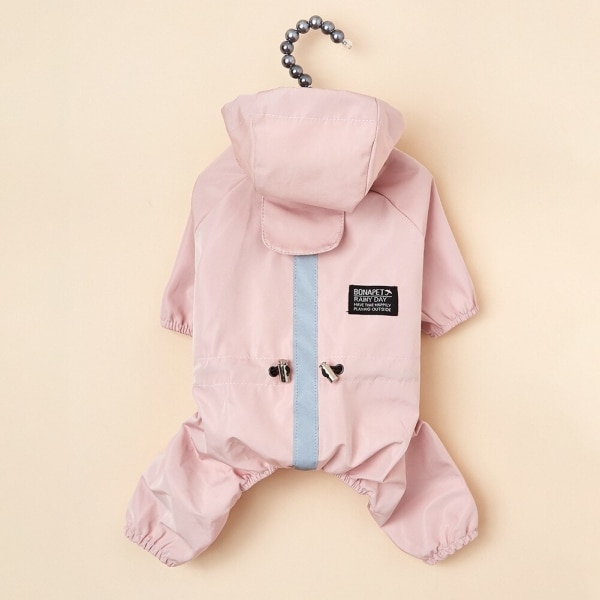

Choosing the Right Clothes for Every Coat Type
Measuring Your German Shepherd for Clothes
Accurate measurements prevent the single most common fitting mistake owners make. Take three measurements:
- Chest girth: around the widest part of the ribcage, just behind the front legs
- Neck circumference: at the base of the neck, where a collar naturally sits
- Back length: from the base of the neck to the base of the tail
Most adult German Shepherds fall in the following general ranges, though always measure your individual dog rather than relying on breed averages:
Size | Chest Girth | Back Length |
Large (female-typical) | 28–32 in | 24–26 in |
X-Large (male-typical) | 32–36 in | 26–28 in |
XX-Large (large males) | 36–40+ in | 28–30 in |
For a full walkthrough, see our guide on How to Measure Your Dog for Clothes.
Selecting the Best Clothing Materials
Different coat types and climates require specific fabrics for comfort and durability. For short-coated German Shepherds, lightweight cotton or mesh fabrics work well in summer, allowing airflow and preventing overheating. Long, plush coats may need fleece or insulated jackets during colder months to maintain warmth without matting.
Waterproof or water-resistant materials are essential for rainy or snowy weather. Choosing the right material not only improves comfort but also protects your dog’s skin and fur. For high-quality waterproof options, explore the Best Dog Raincoats. Always avoid fabrics that are too tight or restrictive, especially for long-coated breeds that need space for their undercoat.
Layering and Outfit Tips for Different Coats
Layering is key to ensuring comfort and mobility.
- Short Coat: Use thin, breathable layers for warmth. Lightweight jackets or cooling vests are ideal depending on the season.
- Long Coat: Avoid tight-fitting clothing that traps the undercoat. Opt for adjustable jackets and mid-weight layers that slide easily over the fur.
- Plush Coat: Layered sweaters or vests provide balanced insulation while allowing natural movement. Accessories like collars or harnesses should be compatible with clothing layers to prevent rubbing or chafing.
Accessories such as boots, reflective vests, and collars can be added to any outfit for extra protection and safety. For harness recommendations compatible with your dog’s coat.
Grooming and Clothing Compatibility
Clothing fits best when the coat is clean and brushed. Brushing removes tangles, distributes natural oils, and prevents matting under sweaters or jackets. Long and plush coats require more frequent brushing, especially before putting on heavier garments.
Regular grooming also helps manage shedding. Choosing clothing that fits loosely around dense areas reduces the risk of discomfort or hair pulling. Supreme Dog Garage offers grooming gear and tools designed for German Shepherds of all coat types, helping owners maintain healthy coats that complement seasonal outfits and accessories.
-
Louis Pawtton Hero Brown Checkered Designer Leather Dog Harness and Leash Set
$35.00 – $94.50Price range: $35.00 through $94.50 -
Pawcci Designer Dog Harness And Leash Set
$59.50Original price was: $59.50.$39.00Current price is: $39.00.Rated 5.00 out of 5 -
Furry Berry Plaid Bow Tie Dog Collar And Leash
$20.00 – $35.00Price range: $20.00 through $35.00 -
Furdi FF Monogram Designer Dog Harness And Leash
$26.00 – $57.50Price range: $26.00 through $57.50Rated 5.00 out of 5


Seasonal Accessories for Short, Medium, and Long Coats
Seasonal gear can make a huge difference in keeping your German Shepherd comfortable year-round. Short-coated Shepherds benefit from insulated winter jackets, soft fleece sweaters, and protective boots during colder months. Their coat provides less natural warmth, so clothing adds necessary insulation. Medium-coated Shepherds often manage mild winters well, but when temperatures drop, they also appreciate weatherproof jackets, snow boots, and neck warmers.
Long-coated German Shepherds may not need heavy winter jackets, but they still benefit from windproof or waterproof layers to prevent their coat from getting soaked in rain or melting snow. In warm months, all coat types benefit from cooling accessories, such as breathable vests and lightweight harnesses that help prevent unnecessary heat buildup. Accessories that protect the paws, such as cooling boots, can help prevent burns from hot pavement.
Best Gear for Rain, Snow, and Outdoor Adventures
German Shepherds are active dogs that love hiking, running, and exploring outdoors. This means choosing the right gear is crucial for safety and comfort. Rainy days call for waterproof jackets, while snowy conditions require insulated coats, anti-slip boots, and reflective gear for better visibility. Short-coated Shepherds benefit from thermal layers, while long-coated dogs may simply need lightweight, waterproof shells to keep them dry.
For hiking or long walks, many owners prefer no-pull harnesses since they offer comfort and control without putting pressure on the neck. If you want help deciding between collars and harnesses, Dog Harness vs Collar offers clear guidance while helping you choose options that fit your dog’s coat type and activity level. We provide high-quality outdoor dog gear that supports comfortable movement and long-term durability.
Traveling and Car Safety Gear for German Shepherds
Safe travel is a priority for many German Shepherd owners, especially given their size and energy. Using seat belt harnesses, padded car restraints, travel vests, and non-slip seat covers helps ensure your dog stays secure and comfortable during car rides. Dogs with shorter coats may appreciate padded restraints to prevent rubbing, while long-coated dogs benefit from breathable straps that prevent overheating. For summer travel, choose gear that promotes airflow, such as lightweight harnesses and cooling pads. For winter, blankets or insulated mats keep your dog warm during long trips.
Common Mistakes Owners Make With German Shepherd Clothing
Buying standard sizing without measuring: German Shepherds have broad chests and muscular builds that don’t match generic breed-size charts; measure every time, especially between brands.
Using heavy insulated jackets on plush or long coats: The undercoat is already doing the insulating; a heavy jacket on top traps heat and causes overheating even in cold weather.
Restricting shoulder movement: Athletic and working-line dogs need a full range of motion check that any harness or jacket doesn’t bind across the shoulders when the dog is walking, not just standing still.
Dressing a dirty or matted coat: Clothing over tangled fur causes friction burns and skin irritation. Brush first, dress second.
Final Tips for Supporting Coat Health with the Right Gear
German Shepherds are known for their strength, loyalty, and versatility, but their coat type plays a significant role in determining which clothing and accessories they genuinely need. Whether your dog has a short stock coat, a plush medium jacket, or a beautiful long stock coat, choosing the right gear can make daily walks, outdoor trips, and changing seasons far more comfortable. By understanding your dog’s coat type, climate needs, and lifestyle, you can select outfits that support their health, protect them from harsh weather, and keep them feeling great while looking stylish.
Regular grooming, accurate measuring, and choosing high-quality outfits that suit your dog’s build are key steps in helping your German Shepherd stay comfortable year-round. To make things easier, Supreme Dog Garage offers premium jackets, harnesses, boots, sweaters, and accessories that fit the needs of active, large-breed dogs.
Frequently Asked Questions about German Shepherd Dog Coat Types
Do German Shepherds actually need clothes?
It depends on coat type and temperature, not just the season. Short-coated dogs typically need a jacket once temperatures drop below 40°F; plush coats around 25–30°F; long, undercoated dogs usually don’t need insulation until the teens. All three coat types benefit from a waterproof layer in rain regardless of temperature.
What size clothes do German Shepherds usually wear?
Most adults fall between Large and XX-Large, but sizing varies enough by chest depth and coat thickness that breed-average charts are unreliable always measure chest girth, neck, and back length before buying.
Are long-coated German Shepherds better suited for cold weather?
Yes, if they have an undercoat that combination handles cold down to around 10–15°F. Long coats without an undercoat have cold tolerance closer to a short coat and need the same level of added insulation.
What temperature is too cold for a German Shepherd?
As a general guide: short coats start needing a jacket below 40°F and should avoid extended time outside below 20°F without one; plush and undercoated long coats can typically handle temperatures into the teens before needing added insulation.
What gear is best for active German Shepherds?
A no-pull harness, a durable outdoor jacket sized to allow full shoulder movement, and anti-slip boots for icy or hot pavement. Reflective gear is worth adding for early morning or evening walks regardless of coat type.
How often should I replace my German Shepherd’s gear?
Replace jackets, harnesses, and boots as soon as you notice stretched seams, worn buckles, or rubbing large, muscular dogs put more stress on gear than smaller breeds, so inspect fastenings every few months rather than waiting for visible damage.

Top Dog Walking Products for Every Adventure
Make every walk an experience with premium dog walking gear from Supreme Dog Garage. Whether you’re exploring the neighborhood or hitting the trails, our curated selection of leashes, harnesses, collars, and accessories combines style, comfort, and durability, perfect for every pup and their person.
