


Why Do Small Dog Breeds Get Skin Irritation More Easily
Small dogs often seem perfectly healthy until small skin problems begin to appear. A little scratching after a walk, constant paw licking, rubbing their face on the carpet, or red patches on the belly may look harmless at first, but these signs can point to sensitive skin that needs attention. Some small dog breeds may be more prone to skin irritation because of factors such as coat type, genetics, body structure, and lifestyle. Their smaller size can also increase contact with certain environmental irritants, such as grass and household surfaces. The good news is that most skin problems can be managed by understanding the triggers, using gentle grooming practices, choosing suitable products, and providing proper protection with comfortable materials such as breathable dog clothing when needed.
Skin sensitivity in small dogs is not caused by one single factor. Breed genetics, coat type, lifestyle, environment, nutrition, and daily care all influence how easily a dog develops irritation. Learning why these problems happen makes it easier for owners to protect their pets and notice warning signs before they become serious.
Why Are Small Dogs More Likely to Develop Skin Irritation?
Small dog breeds often have a higher risk of skin irritation because their bodies interact differently with the environment than those of larger dogs. Their smaller size affects their skin protection, body temperature regulation, and exposure levels during daily activities. A Chihuahua walking through grass, for example, has more direct contact between its belly and outdoor allergens compared with a larger breed. Similarly, a small dog wearing uncomfortable clothing or exposed to harsh grooming products may develop irritation more quickly because their skin reacts more readily.
The most common reasons small dogs experience skin irritation include:
- A sensitive skin barrier
- Less protective body fat
- Different coat structures
- Greater exposure to allergens
- Higher sensitivity to fabrics and chemicals
Their Skin Barrier Is More Delicate
A dog’s skin acts as a protective barrier that helps block allergens, bacteria, chemicals, and excessive moisture loss. The outer layer of the skin, called the epidermis, works with deeper layers, such as the dermis, to maintain healthy skin function. Some small dogs may react more noticeably to friction or external irritants due to factors such as thin coats, exposed skin, allergies, or breed-specific traits. This means things like rough fabrics, strong shampoos, pollen, or dirt can cause discomfort more easily.
When the skin barrier becomes irritated, dogs may experience:
- Itching
- Redness
- Dry patches
- Flaking
- Increased scratching
A damaged skin barrier can also allow allergens and bacteria to affect the skin more easily, increasing the chance of conditions such as canine dermatitis.
Important skin health factors include:
- Skin barrier function: Protects against outside irritants
- Sebaceous glands: Produce natural oils that help keep skin moisturized
- Skin microbiome: Healthy bacteria that support skin balance
Keeping this barrier healthy is one of the most important parts of preventing recurring irritation.
Smaller Body Size Provides Less Natural Protection
Because small dogs have a higher surface area compared with their body size, some breeds may lose heat faster, especially those with thin coats or little natural insulation. This means they have less natural insulation and may be more sensitive to cold weather, dry air, and sudden temperature changes.
Subcutaneous fat underneath the skin helps provide:
- Temperature control
- Cushioning
- Protection from environmental changes
Smaller breeds, such as Chihuahuas and Yorkshire Terriers, may experience dry or uncomfortable skin during colder months because they lose heat more quickly. This is one reason some small dogs benefit from cold-weather protection during the colder months. However, clothing should always be made from comfortable, breathable materials that do not trap moisture or create friction.
Coat Type Can Affect Skin Protection
A dog’s coat plays an important role in protecting the skin. However, different coat types create different challenges. Short-coated small dogs often have less natural protection from:
- Sun exposure
- Grass pollen
- Dust
- Outdoor chemicals
Examples include:
- Chihuahua
- French Bulldog
- Dachshund
Long-coated small dogs may have more coverage but can experience different problems, including:
- Moisture trapped near the skin
- Matting
- Reduced airflow
- Hidden irritation
Examples include:
- Yorkshire Terrier
- Maltese
- Shih Tzu
A healthy coat requires regular brushing and inspection because some skin issues can remain unnoticed under thick fur.
Small Dogs Have More Contact With Environmental Irritants
Because small dogs are closer to the ground, they often come into contact with more outdoor irritants during walks and playtime.
Common triggers include:
- Grass pollen
- Dust mites
- Mold spores
- Lawn chemicals
- Household cleaning products
- Dirt and debris
The most affected areas are usually:
- Paws
- Belly
- Legs
- Chest
Many owners notice their dogs licking their paws after walks because proper dog walking gear can also affect comfort during outdoor activities. This behavior is often linked to irritation from allergens picked up outdoors. Cleaning paws with gentle paw wipes after outdoor activities can help remove pollen and dirt before they cause discomfort.


Small Dogs vs Large Dogs: Why Skin Sensitivity Is Different
Size can influence how a dog’s skin reacts to the environment. However, breed genetics and lifestyle also play a major role.| Factor | Small Dogs | Large Dogs |
| Skin protection | Often more sensitive | Usually more protective |
| Body fat | Lower amount | Generally higher amount |
| Ground exposure | Higher | Lower |
| Temperature sensitivity | More common | Less common |
| Coat protection | Depends on breed | Depends on breed |
Common Causes of Skin Problems in Small Dogs
Skin irritation can develop from environmental factors, allergies, grooming habits, parasites, and even materials that touch your dog’s body. Identifying the cause is the first step toward managing the problem.Environmental Allergies From Grass, Dust, and Mold
Environmental allergies are among the most common causes of itching in dogs. Small dogs can react to substances they encounter every day, including pollen, dust, and mold. Common environmental triggers include:- Grass pollen
- Dust mites
- Mold spores
- Seasonal allergens
- Paw licking
- Face rubbing
- Belly scratching
- Red skin
- Ear irritation
Food Allergies and Dietary Sensitivities
Some small dogs develop skin irritation because their bodies react to certain food ingredients. Food allergies can occur, but they are less common than many owners assume. Dogs with suspected food allergies usually need a veterinarian-guided elimination diet rather than simply removing random ingredients. Food allergies may appear as:- Persistent itching
- Paw chewing
- Ear infections
- Skin inflammation
Fleas and Parasites Can Cause Severe Itching
Fleas can cause significant irritation, especially in dogs with sensitive skin. Some dogs develop flea allergy dermatitis, where even a small number of flea bites can trigger intense itching. Symptoms may include:- Scratching around the tail area
- Hair loss
- Red bumps
- Skin irritation
Grooming Products and Household Chemicals
Products that are safe for humans are not always suitable for dogs. Human shampoos can disturb a dog’s natural skin balance because dogs have different skin pH levels. Potential irritants include:- Strong fragrances
- Artificial dyes
- Harsh detergents
- Household cleaners
Synthetic Fabrics and Poor-Fitting Clothing
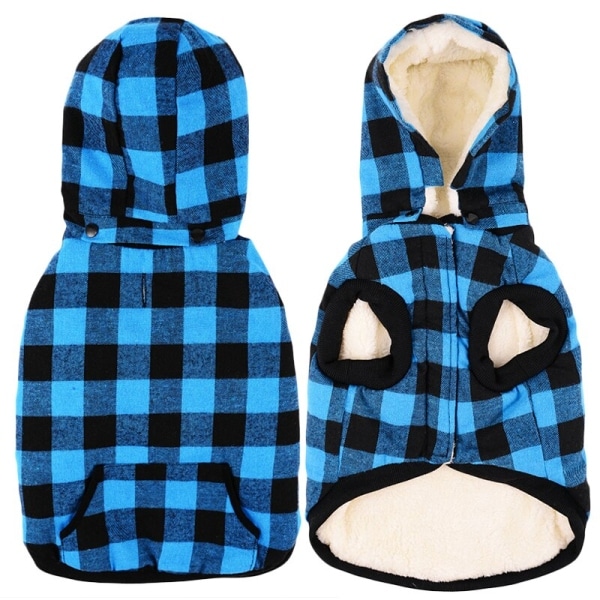
Dog clothing can provide protection, but the wrong material or fit may create skin problems. Common causes of irritation from poor dog clothing fit include:- Rough fabric
- Tight-fitting designs
- Poor ventilation
- Chemical dyes
- Moisture trapped under clothing
- Organic cotton dog clothing
- Breathable fabrics
- Soft stitching
- Comfortable sizing
-
CoCo Designer Dog Hoodie
$45.00Original price was: $45.00.$35.00Current price is: $35.00.Rated 5.00 out of 5 -
Pawcci GG Couture Designer Dog Winter Jacket With Hood
$120.00Original price was: $120.00.$99.00Current price is: $99.00.


Small Dog Breeds That Commonly Experience Skin Issues
Some breeds may have higher rates of certain skin conditions because of inherited traits, coat characteristics, or body structure.
Chihuahua
Chihuahuas often have sensitive skin because many have thin coats and less natural insulation.
Common concerns include:
- Dry skin
- Weather sensitivity
- Allergic reactions
- Sun sensitivity
Owners should pay attention to changes in skin texture, especially during colder months.
French Bulldog
French Bulldogs are known for skin sensitivity because their facial folds can trap moisture and bacteria.
Common issues include:
- Skin fold irritation
- Yeast infections
- Allergic dermatitis
Regular cleaning and keeping folds dry can help reduce irritation.
Yorkshire Terrier
Yorkies have long coats that require regular maintenance. Their sensitive skin can react to environmental allergens and grooming products.
Common problems include:
- Dryness
- Skin sensitivity
- Coat-related irritation
Maltese
Maltese dogs may experience:
- Allergies
- Sensitive skin
- Irritation under their long coat
Regular grooming helps owners identify skin changes early.
Pomeranian
Pomeranians have thick coats that can sometimes hide skin problems.
Common concerns include:
- Dry skin
- Coat buildup
- Allergic reactions
Regular brushing helps maintain coat and skin health.
Shih Tzu
Shih Tzus can experience skin problems due to their dense coats and tendency toward allergies.
Common issues include:
- Skin infections
- Allergies
- Moisture buildup
Common Skin Conditions Seen in Small Dogs
Small dogs can develop various skin conditions depending on their genetics, environment, coat type, and daily exposure to irritants. While some problems are caused by allergies, others develop because of parasites, moisture buildup, or reactions to products that come into contact with the skin. Understanding these conditions helps owners recognize early warning signs and seek proper care before irritation becomes more severe.
Atopic Dermatitis
Atopic dermatitis is one of the most common skin conditions seen in dogs and is usually connected to environmental allergies. Small dogs may develop this condition when their immune system reacts strongly to common substances such as pollen, dust mites, and mold spores. These allergens can trigger an inflammatory response that causes ongoing discomfort.
Dogs with atopic dermatitis often show signs such as frequent itching, paw licking, facial rubbing, and red or irritated areas on the skin. Symptoms may become worse during certain seasons when pollen levels increase or when dogs spend more time outdoors. Managing the condition usually involves reducing exposure to triggers, maintaining proper skin care, and following a veterinarian’s guidance.
Contact Dermatitis
Contact dermatitis happens when a dog’s skin reacts to a substance that touches its body. Small dogs can be more sensitive to certain materials because their skin may respond quickly to irritation from fabrics, detergents, grooming products, or household cleaning chemicals.
A dog experiencing contact dermatitis may develop redness, itching, small rashes, or discomfort in areas that regularly come into contact with the irritant. For example, a dog may react to a poorly made sweater, harsh laundry detergent used on bedding, or a grooming product that does not suit its skin. Identifying and removing the trigger is an important step in helping the skin recover.
Flea Allergy Dermatitis
Flea allergy dermatitis occurs when a dog has an allergic reaction to proteins found in flea saliva. Even a small number of flea bites can cause significant irritation in sensitive dogs, especially small breeds with delicate skin.
Affected dogs may experience intense itching, hair loss, redness, and inflamed skin, commonly around the tail area, back, and legs. Some dogs continue scratching even after the fleas are removed because the allergic reaction can persist for some time. Regular flea prevention and proper veterinary care are important for managing this condition.
Yeast and Bacterial Skin Infections
Yeast and bacterial infections can develop when the skin’s natural balance is disrupted. Warm, moist areas of the body, such as skin folds, paws, ears, and areas under thick coats, can create conditions where microorganisms multiply more easily.
Small dogs with allergies or sensitive skin may be more likely to develop these infections because constant scratching can damage the skin barrier, allowing bacteria or yeast to grow. Common signs include an unusual odor, redness, greasy skin, constant scratching, and discomfort. A veterinarian can examine the skin and determine whether the problem requires specific treatment, such as medication or changes in the dog’s skin care routine.
Best Skin Care Routine for Small Dogs With Sensitive Skin
A good skin care routine for small dogs with sensitive skin focuses on keeping the skin clean, balanced, and protected from irritants. Regular brushing, gentle bathing with sensitive-skin dog shampoo, cleaning paws and belly after outdoor walks, washing bedding and clothing frequently, and checking for early signs of redness or irritation can help maintain healthy skin. Using breathable materials, hypoallergenic products, and proper nutrition with skin-supporting nutrients like omega fatty acids can also reduce discomfort and support a healthier coat
Can Dog Clothes Help Small Dogs With Sensitive Skin?
Dog clothing can be helpful for some small breeds, especially those sensitive to cold weather, outdoor allergens, or rough surfaces. However, clothing should support skin health rather than create additional irritation.
The right clothing can help protect against:
- Cold temperatures
- Grass contact
- Outdoor debris
- Sun exposure
The wrong clothing may trap moisture or create rubbing.
What Makes Dog Clothing Safe for Sensitive Skin?
Look for:
- Breathable fabric
- Organic cotton
- Natural fibers
- Soft seams
- Proper sizing
Comfortable dog clothing allows airflow while providing protection.
Products such as organic cotton dog clothing and hypoallergenic pet apparel are often better choices for dogs with sensitive skin because they reduce exposure to rough materials.
Best Materials for Dogs With Sensitive Skin
Organic Cotton
Benefits:
- Soft texture
- Breathable
- Lightweight
- Comfortable for daily use
Baby Alpaca Fiber
Benefits:
- Naturally soft
- Warm
- Comfortable for sensitive dogs
Avoid:
- Rough synthetic fabrics
- Strong chemical dyes
- Poor-quality materials
When Should You Visit a Veterinarian?
Some skin problems can be managed at home, but certain symptoms require professional evaluation. Contact a veterinarian if your dog has:
- Constant scratching
- Bleeding skin
- Open wounds
- Hair loss
- Bad odor
- Repeated infections
How Veterinarians Diagnose Skin Problems
A veterinarian or veterinary dermatologist may use:
- Physical examination
- Allergy testing
- Skin tests
- Medical history review
Proper diagnosis helps determine whether the problem is caused by allergies, infection, parasites, or another condition.
Frequently Asked Questions About Small Dog Skin Irritation
Why do small dogs get skin irritation more easily?
Small dogs often experience skin irritation because they may have a more delicate skin barrier, less body fat protection, lighter coats, and greater exposure to outdoor allergens.
Which small dog breeds have the most sensitive skin?
Breeds commonly associated with sensitive skin include Chihuahuas, French Bulldogs, Yorkshire Terriers, Maltese, Pomeranians, and Shih Tzus.
Can dog clothes cause skin problems?
Yes, poorly made clothing can cause irritation. Breathable fabrics, proper sizing, and soft materials are better choices for sensitive dogs.
What fabric is safest for dogs with sensitive skin?
Organic cotton and other soft natural fibers are commonly preferred for their breathability and gentleness on the skin.
How often should I bathe a small dog with sensitive skin?
Bath frequency depends on the dog’s skin condition, lifestyle, and veterinary advice. Over-bathing can remove natural oils and increase dryness.
How can I tell if my dog has allergies or normal itching?
Frequent scratching, paw licking, face rubbing, redness, and repeated skin problems may indicate allergies rather than normal occasional itching. A veterinarian can help identify the cause.
