

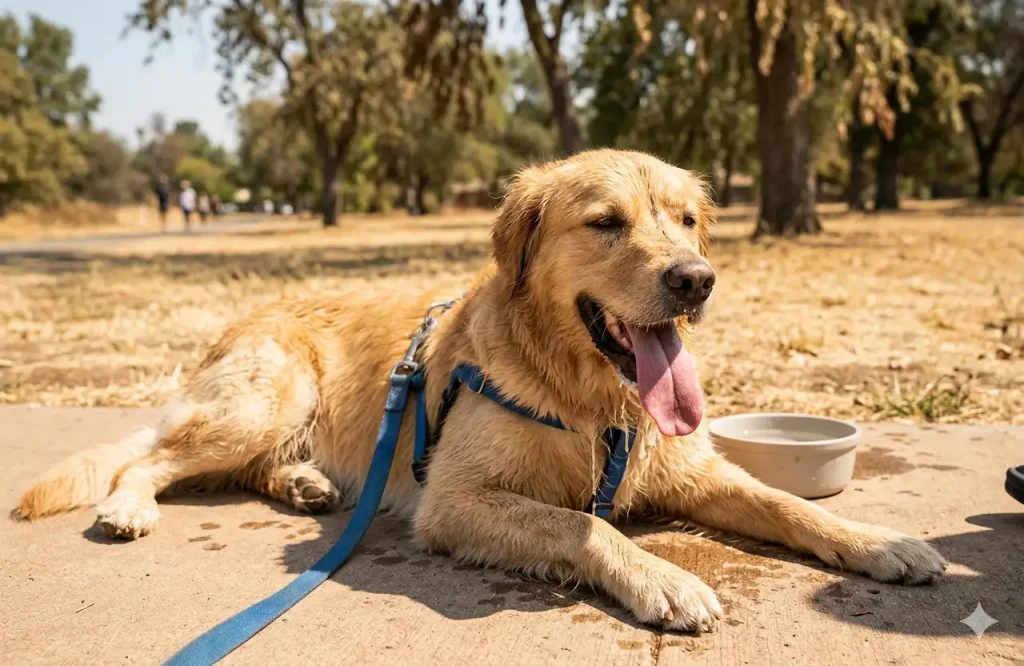
How Hot Is Too Hot for Dogs?
Dogs are wonderful companions, but extreme heat can quickly become dangerous. Many pet owners underestimate how rapidly dogs can overheat, especially breeds like English Bulldogs, Pugs, Shih Tzus, and Corgis, which have flat faces and reduced airflow. Even a short walk on pavement or asphalt, which can be 40°F hotter than the air, can cause rapid dehydration or heatstroke. Understanding safe temperatures, the signs of overheating, and effective cooling strategies is essential to protect your pet. At Supreme Dog Garage, we offer gear and advice that helps U.S. pet owners keep their dogs safe, comfortable, and active during hot weather.
Why Dogs Are More Sensitive to Heat Than Humans
Dogs regulate temperature differently from humans. Unlike people, dogs have very few sweat glands, mostly on their paw pads, which limits their ability to cool themselves. They rely primarily on panting, which expels heat through evaporation from the tongue and respiratory tract. Breeds like Boxers, Shih Tzus, English Bulldogs, and other brachycephalic dogs are particularly vulnerable because their shortened airways reduce airflow and efficiency in cooling. Puppies, older dogs, and overweight dogs are also at higher risk of hyperthermia in warm conditions.
Environmental factors magnify the risk. Hot concrete, asphalt, and sand surfaces can be 40–60°F hotter than the surrounding air, causing burns to paw pads and increasing overall body heat. Humidity reduces panting efficiency, making it even harder for dogs to stay cool. Experts like Justine Lee, DVM, DACVECC, DABT, emphasize that dogs’ normal body temperature ranges from 100.5–102.5°F, and temperatures above 106°F can quickly progress to heatstroke, requiring immediate veterinary attention.
Owners often make the mistake of assuming that shade or brief outdoor exposure is safe. Even temperatures in the 70–85°F range can pose a moderate risk for dogs, especially on sunny streets or during midday walks. Proper understanding of safe outdoor temperatures, surface conditions, and dog-specific vulnerabilities is essential. Tools like cooling blankets, portable water bottles, fans, and dog boots can prevent overheating and reduce the likelihood of emergencies.
Signs of Early Heat Stress in Dogs
Even before dangerous overheating occurs, dogs show signs of stress:
- Excessive panting or drooling
- Weakness or lethargy
- Red or discolored gums
- Disorientation or unsteady movement
Recognizing these signs early allows you to intervene with shaded rest areas, hydration, and cooling strategies before serious medical emergencies develop.
Understanding Safe Temperatures for Dogs
Knowing the temperatures at which dogs are comfortable versus at risk is critical. Dogs can tolerate moderate heat if precautions are taken, but their body temperature regulation is less efficient than humans, especially for puppies, older dogs, and brachycephalic breeds like Pugs, Shih Tzus, and English Bulldogs. Even at moderate air temperatures, surface heat from asphalt or sand can dramatically increase stress and lead to heatstroke.
Safe Outdoor Temperature Thresholds
Condition | Air Temperature | Risk Level | Notes |
Safe | Below 70°F | Low | Dogs comfortable; normal walks and outdoor play safe. |
Caution | 70–82°F | Moderate | Monitor dogs closely, provide shade and hydration. |
Risk | 83–90°F | High | Limit walks, avoid hot pavement, keep breaks frequent. |
Dangerous | Above 90°F | Severe | Avoid prolonged exposure; indoor activity recommended. |
Extreme | >95°F | Critical | High risk of heatstroke; immediate cooling and vet attention required. |
Tip: Surface temperatures can exceed air temperatures by 40–60°F, making asphalt, concrete, and sand especially hazardous for dog paws. Always check with your hand or use dog boots before walking.


Factors That Make Heat More Dangerous for Dogs
Not all dogs respond to heat the same way. Several factors, including breed, age, weight, health, coat type, and the environment, increase the risk of overheating. Understanding these factors helps owners prevent heat stress and heatstroke in their pets.
Breed-Specific Risks
Some breeds are naturally more vulnerable to heat than others. Brachycephalic breeds, such as English Bulldogs, Pugs, and Shih Tzus, have shortened airways that make panting less effective, reducing their ability to cool down efficiently. These breeds can overheat even in moderate temperatures. On the other hand, long-nose breeds, like Labradors, Golden Retrievers, and Boxers, have better airflow and typically tolerate higher temperatures more easily.
According to the American Kennel Club (AKC), flat-faced breeds are prone to respiratory distress and heatstroke during hot weather. Owners should adjust walking times, exercise duration, and outdoor exposure based on their dog’s breed-specific vulnerabilities.
Age, Weight, and Health Conditions
A dog’s age, weight, and overall health significantly impact heat tolerance. Puppies and senior dogs have less efficient thermoregulation, making them more prone to overheating and dehydration. Overweight dogs produce more body heat and may have restricted airflow, which raises the risk of hyperthermia.
Underlying health conditions, such as heart disease, respiratory issues, or metabolic disorders, further reduce a dog’s ability to cope with heat. Certain medications can also affect thermoregulation, so owners should consult a veterinarian before outdoor activity on warm days. These factors require careful monitoring and modified routines, even at temperatures that might seem safe for a healthy adult dog.
Coat Type and Heat Absorption
A dog’s coat plays a major role in heat retention and cooling. Double-coated breeds, like Golden Retrievers and Border Collies, have dense undercoats that trap heat, whereas short-coated dogs lose heat more efficiently. While brushing can help remove excess fur and allow better airflow, shaving double coats is usually not recommended, as it can expose the skin to sunburn and disrupt natural temperature regulation.
Regular grooming, using brushing and thinning tools, helps maintain comfort in warm weather without compromising protection. Owners should also observe their dogs after grooming, as changes in coat thickness can affect heat tolerance.
Surface Temperature Effect
Even moderate air temperatures can be dangerous if the ground is hot. Asphalt, concrete, and sand can easily exceed 120°F, leading to burns on paw pads and accelerating body overheating. Dogs’ paws are sensitive, and extended contact with hot surfaces increases the risk of heatstroke.
A simple test is to press your hand on the surface for seven seconds. If it’s too hot for you, it’s too hot for your dog. For walks in urban areas, stick to shady paths, grass, or trails, or use protective dog boots to reduce the impact of high surface temperatures. Always monitor paw condition for redness, cracking, or discomfort.
Recognizing Heat Stress and Heatstroke in Dogs
Early recognition of heat stress is essential to prevent emergencies. Dogs often show subtle signs before reaching a critical state.
Early Warning Signs
- Excessive panting and drooling
- Red or inflamed gums
- Weakness or unsteady walking
- Slight disorientation or restlessness
Advanced Signs of Heatstroke
- Vomiting or diarrhea
- Glazed eyes and darkened tongue/gums
- Seizures or collapse
- Rapid progression to body temperature ≥106°F is a veterinary emergency
Quick Tip: Always have a plan to move your dog to shade, cooler surfaces, or indoors, and provide fresh water or cooling blankets. Keep a vet contact handy for emergency situations.
Heat Index and Activity Considerations
- The heat index, which combines air temperature and humidity, can significantly affect dogs.
- Dogs can tolerate lower temperatures at high humidity worse than hotter, drier conditions.
- For example, a Corgi or Golden Retriever may handle 82°F in dry air but be at risk at the same temperature with high humidity.
How To Keep Dogs Safe and Cool in Hot Weather
Preventing overheating is far better than treating heatstroke. Proper planning, equipment, and routine adjustments can keep your dog safe and comfortable, even on the hottest summer days.
Prevention Strategies
The simplest and most effective strategies focus on environment, hydration, and rest:
- Shade: Always ensure your dog has access to shaded areas during outdoor activities. Trees, umbrellas, or portable pop-up canopies work well.
- Water Availability: Provide fresh water consistently. Collapsible bowls and portable water bottles make hydration easy on walks or trips.
- Cooling Mats: Specially designed cooling mats or pads offer a comfortable surface that reduces body temperature, especially for puppies, senior dogs, or brachycephalic breeds like Bulldogs and Pugs.
These prevention strategies reduce the risk of heatstroke, panting, dehydration, and hyperthermia before symptoms appear.
Cooling Products and Tools
Modern pet care offers a range of products to keep dogs cool:
- Portable Water Bottles: Lightweight bottles with attached bowls make hydration easy on the go.
- Fans and Misters: Battery-operated fans and spray misters can lower the ambient temperature during outdoor breaks.
- Cooling Vests: Designed for active dogs, these vests use water evaporation to reduce body heat.
Trusted U.S. brands include Ruffwear, Kurgo, and Chilly Dogs, which provide durable, safe, and effective cooling solutions. Using these tools during walks, play, or training helps dogs stay safe during high-temperature days.
Home Cooling Tips
Even indoors, dogs can overheat. Follow these dog care tips:
- Window Shades: Block direct sunlight from entering rooms where dogs rest.
- Air Conditioning: Maintain indoor temperatures below 80°F, particularly for older dogs, puppies, or flat-faced breeds.
- Tile or Concrete Floors: Encourage dogs to lie on cooler surfaces like tiled floors to naturally lower body temperature.
Creating a cool, safe indoor environment ensures dogs avoid heat-related stress when outdoor conditions are extreme.
Emergency Actions if Your Dog Is Overheating
Even with precautions, dogs can overheat. Immediate and correct action is critical to prevent heatstroke and life-threatening conditions.
Immediate Steps to Cool Down a Dog
- Move to Shade or Indoors: Relocate your dog to a cooler area immediately.
- Hydrate Carefully: Offer small sips of fresh water rather than forcing large amounts, which can cause vomiting.
- Cool the Body Gradually: Use cool (not ice-cold) towels on the chest, neck, and paw pads to lower the temperature slowly.
Quick intervention can prevent progression to severe heatstroke and reduce the risk of permanent damage.
When to Call a Veterinarian
Heatstroke is a veterinary emergency. Contact a vet immediately if your dog shows:
- Persistent panting, drooling, weakness, or disorientation
- Body temperature approaching or exceeding 106°F
- Symptoms occurring inside a car or confined space, where temperatures rise rapidly beyond 120°F
Prompt veterinary care is crucial for recovery and can be lifesaving.
What Not to Do During an Overheat Emergency
- Avoid Ice Baths: Sudden extreme cooling can shock the dog’s system.
- Do Not Force Water: Forcing large amounts can cause vomiting or aspiration.
- Avoid Rough Handling: Minimize stress and movement until the dog is stable or evaluated by a vet.
Correct emergency response, combined with prevention strategies, ensures your dog stays safe during hot weather conditions.
Signs You Should Never Ignore
Even with preventive measures, heatstroke can occur. Key warning signs include:
- Excessive panting or drooling
- Red or discolored gums
- Weakness, lethargy, or staggering
- Vomiting, diarrhea, or seizures
- Body temperature ≥106°F
Early detection and immediate action can save a dog’s life.
Safe Heat Practices Summary Table
Strategy | Tips | Recommended For |
Walk Timing | Early morning or late evening | All dogs |
Surface | Grass or shaded trails | Puppies, older dogs, brachycephalic breeds |
Hydration | Fresh water, collapsible bowls | Active outdoor dogs |
Cooling | Cooling mats, fans, wet paw pads | Overheating risk dogs |
Emergency | Vet contact, lukewarm cooling | Signs of heatstroke |
Final Thought
Dogs cannot regulate heat like humans, and temperatures above 82–90°F, especially with high humidity or hot surfaces, can quickly become dangerous. By understanding safe temperature ranges, breed and health risk factors, early warning signs, and effective cooling strategies, U.S. pet owners can protect their dogs from heatstroke and dehydration. Equipment like cooling blankets, water bottles, fans, and dog boots, combined with smart activity planning, ensures dogs stay safe and comfortable in summer.
Explore Supreme Dog Garage for high-quality collars, cooling gear, and accessories designed to keep dogs safe, stylish, and comfortable in any weather. Protect your dog’s health today by planning walks wisely, providing hydration, and recognizing early signs of heat stress.

Top Dog Walking Products for Every Adventure
Make every walk an experience with premium dog walking gear from Supreme Dog Garage. Whether you’re exploring the neighborhood or hitting the trails, our curated selection of leashes, harnesses, collars, and accessories combines style, comfort, and durability, perfect for every pup and their person.
