

How Cold Is Too Cold to Walk a Dog?
Walking your dog in cold weather can be a fun and rewarding experience, but it also comes with its risks. When temperatures drop, dogs, just like humans, can be vulnerable to cold-related health issues, such as hypothermia and frostbite. As a dog owner, it’s important to understand when it’s safe to head out for a walk and when it’s better to stay indoors to protect your pet.
How cold weather affects your dog’s ability to handle outdoor walks. We’ll break down the safe temperature ranges, factors that impact your dog’s cold tolerance, warning signs to watch for, and practical tips to keep your dog safe in winter conditions. Whether you’re concerned about your dog’s breed, age, or activity level, this guide will help you make informed decisions about winter walks.
Understanding Cold Tolerance
Breed and Coat Type Matter
Different dogs have different levels of cold tolerance, largely depending on their breed and coat type. For instance, cold-adapted breeds like Huskies, Bernese Mountain Dogs, and Malamutes are naturally built to handle low temperatures due to their thick, double-layered coats. These dogs are more resistant to the cold and can comfortably handle walks in freezing conditions, provided they are in good health.
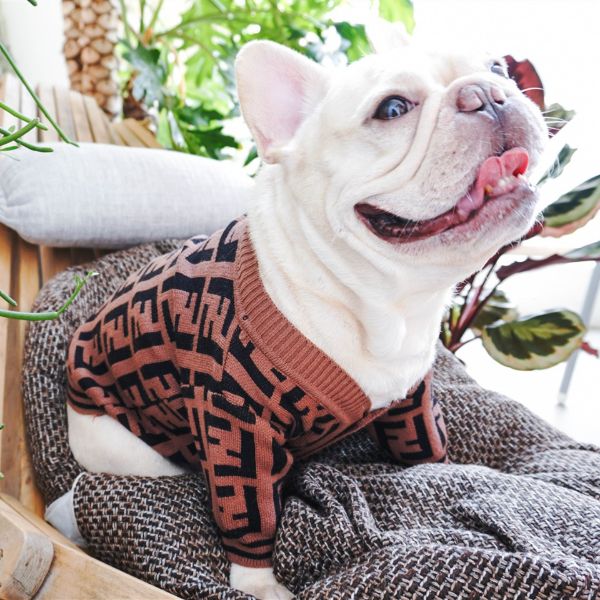
On the other hand, short-haired breeds such as Chihuahuas, Greyhounds, and Dachshunds are less equipped to handle the cold. These dogs have thinner coats and smaller body masses, making them more vulnerable to the cold. When walking these dogs, it’s essential to monitor the temperature closely and provide extra protection, such as dog coats or sweaters.
Tip: Keep in mind that even cold-tolerant breeds should be monitored in extreme conditions, as wind chill and moisture can exacerbate the cold.
Size and Age Considerations
- Small Dogs: Smaller dogs, particularly those with shorter coats, are at a higher risk of hypothermia in cold temperatures. Since they have less body mass and fat, they lose heat more quickly than larger breeds.
- Puppies and Senior Dogs: Both puppies and senior dogs have a reduced ability to regulate their body temperature. Puppies haven’t yet developed the full coat to protect them, and older dogs often struggle to maintain body heat.
No matter the breed, it’s important to dress your dog appropriately for the weather. Check out our range of winter jackets and dog boots at Supreme Dog Garage to keep your dog cozy and warm during the colder months.
Safe Temperature Ranges: When Is It Too Cold to Walk Your Dog?
As a general rule of thumb, if the temperature drops below 20°F (-6°C), it’s usually too cold for most dogs to be outside for extended periods. However, every dog is different, so it’s essential to consider your dog’s breed, size, and health when deciding whether it’s safe to walk.
Here’s a quick overview of safe temperature ranges for walking your dog:
| Temperature Range | Dog Walk Recommendation |
| >45°F (7°C) | Safe for most dogs. Just watch out for ice or salt on the ground. |
| 32°F – 45°F (0°C – 7°C) | Ideal for short-haired or small dogs with extra protection (like coats). Short walks are recommended for senior or ill dogs. |
| 20°F – 32°F (-6°C – 0°C) | Coats and booties are necessary for many dogs. Limit outdoor time, especially for vulnerable dogs. |
| <20°F (-6°C) | Quick potty breaks only. Be mindful of frostbite risks, especially on paws and ears. |
| <10°F (-12°C) | Indoor time only for most dogs, even those with thick coats. |
When to Avoid Walking Your Dog Outdoors
- Below 20°F (-6°C): While some dogs with thick, double coats can tolerate these temperatures, many dogs should only go outside for quick potty breaks. Prolonged exposure can lead to hypothermia or frostbite, especially on the paws or ears.
- Below 10°F (-12°C): This is considered dangerous for most dogs, including those with winter-adapted coats. For safety, keep all walks indoors during these conditions.
If your dog struggles in cold weather, shop our collection of protective coats and paw care products at Supreme Dog Garage to ensure a safe and comfortable winter walk.
Recognizing the Signs: How to Tell If It’s Too Cold for Your Dog
Even if you follow temperature guidelines, it’s important to listen to your dog’s body language and watch for signs that they may be too cold. Dogs often cannot express discomfort as clearly as humans, so it’s up to you to recognize the signs that they need to come inside.
Warning Signs of Cold Stress
- Shivering or Trembling: One of the first signs that your dog is cold is shivering. If your dog is shaking or trembling, it’s time to head inside. Prolonged shivering can be a sign of hypothermia.
- Lifting or Licking Paws: Cold surfaces, like ice and snow, can make your dog’s paws hurt. If your dog is frequently lifting their paws or licking them excessively, it could be because they’re too cold.
- Whining or Whimpering: Dogs may vocalize to let you know they are uncomfortable. Whining or whimpering on walks is a clear sign that it’s time to turn back.
- Refusing to Walk or Slowing Down: A dog that refuses to walk or stops moving altogether may be signaling that they’re too cold to continue.
- Hiding or Burrowing: Dogs may instinctively seek shelter when they are cold. If your dog tries to burrow into the snow or a corner, it’s a sign they are trying to protect themselves from the cold.
What to Do If Your Dog Is Too Cold
- Head Inside: If your dog is showing signs of cold stress, immediately return indoors to warm up.
- Warm Them Up: After bringing your dog inside, dry them off with a towel, and make sure they are not exposed to drafts.
- Check Paws for Injury: If you’ve been walking on snow or ice, check your dog’s paws for cuts, cracks, or snow buildup.
Keep your dog safe with our paw balms and winter protection gear. Supreme Dog Garage have everything you need to protect your dog’s paws this winter.
How to Protect Your Dog During Cold Walks: Essential Gear and Winter Care Tips
As the temperatures drop, it’s crucial to take extra steps to protect your dog during outdoor walks. With the right winter gear and safety precautions, you can ensure your dog stays comfortable and safe while still enjoying the outdoors. This section will cover how to dress your dog appropriately for winter, the importance of timing and location for walks, and the best practices for post-walk care.
Dress for the Weather: Coats, Sweaters, and Boots
Just as humans wear warm clothing in cold weather, dogs need protective gear to help them stay warm and shielded from the elements. Here’s a breakdown of the essential items to consider:
Coats and Sweaters
- Coats are essential for short-haired breeds or dogs with minimal fat, such as Chihuahuas or Greyhounds. Even long-haired breeds can benefit from an extra layer during extremely cold temperatures, especially when they are outside for extended periods. A well-fitted dog coat can provide insulation and keep their core body temperature regulated.
- Sweaters are also a good option for dogs who are not accustomed to cold weather. Wool or fleece sweaters can help trap heat and keep your dog warm while still offering flexibility for movement.
Booties and Paw Protection
- Booties are a must when walking in snow or on salted roads. These help protect your dog’s paws from the cold, as well as from potential injuries caused by rough or icy surfaces. Dogs can suffer from paddock burns or chemical burns when walking on salted streets, so booties help mitigate this risk.
- In addition to booties, applying paw balm before and after walks can help prevent dryness and cracking caused by salt or cold exposure.
Choose the Right Time and Place for Walks
When it’s cold outside, timing is everything. The best time to walk your dog during the winter is during the warmest part of the day, usually around midday when the sun is at its peak. This is especially important when the temperature is on the border of being too cold.
Walk During Daylight
- Winter days are shorter, so aim to walk your dog during the daylight hours. Not only is this safer in terms of visibility, but it also ensures you’re walking during the warmer part of the day, reducing the risk of frostbite or hypothermia.
Stick to Cleared Paths
- Ice and snow pose hazards to both you and your dog. Icy paths can cause slips and falls, while deep snow can make it harder for your dog to walk and could lead to paw injuries. Stick to cleared roads, sidewalks, or paths where the snow has been shoveled or salted.
- If possible, walk your dog in areas with natural shelter, such as parks or forests with trees, where the wind chill is less intense.
Tip: If it’s extremely cold or windy, try to avoid walking near large open areas where wind can make the cold feel more severe.
Indoor Alternatives for Cold Days
On days when it’s simply too cold to walk outside, it’s important to keep your dog active and entertained indoors. Even though they can’t go on their usual walks, you can still engage your dog in physical and mental stimulation activities. This helps burn off energy and prevent boredom, which can lead to destructive behavior.
Tug-of-War
- A great way to engage your dog indoors is through tug-of-war. It’s a great form of exercise and can be played in the comfort of your home. Just make sure to play safely by using appropriate toys designed for tugging.
Fetch in the Hallway
- Use a long hallway or large living room to play fetch indoors. You can even incorporate stairs to add a little more exercise. Just be cautious of breakable items in your space.
Interactive Toys and Puzzle Feeders
- Keep your dog’s mind sharp by using interactive toys or puzzle feeders that challenge them to think and problem-solve. These are great for mental stimulation and will help tire your dog out mentally when physical activity is not an option.
Training Games
- Training sessions are another great indoor activity. Work on obedience commands, tricks, or even agility practice if you have the space. This not only keeps your dog busy but also strengthens the bond between you and your pet.
Post-Walk Care: Keeping Your Dog Warm and Healthy After Winter Walks
Once you’re back inside from a cold walk, it’s important to care for your dog to ensure they recover properly and remain comfortable.
Dry Your Dog Off Immediately
- After a walk in the snow or rain, immediately dry your dog off with a towel to prevent them from getting chilled. Pay particular attention to their paws, as they may have snow or salt stuck between their pads.
- If your dog’s coat is wet, let them dry off in a warm room or use a dog-specific blow dryer to gently dry their fur. Avoid using a regular hair dryer, as it can be too hot and could cause burns.
Monitor for Cold-Related Injuries
- Paw care: Check your dog’s paws for cracks, cuts, or frostbite. If you notice any signs of damage, such as redness, swelling, or discoloration, contact your vet immediately.
- Dry skin: Winter air can dry out your dog’s skin. Using a moisturizing balm on their skin and paws can prevent cracks and discomfort.
Provide Warmth After Walks
- Comfortable Bed: Once inside, let your dog relax in a warm, dry bed. If your dog seems cold, consider using an electric heating pad designed for pets, but ensure it’s set to a low heat setting to avoid burns.
- Hydration and Nutrition: Cold weather can cause dehydration, so make sure your dog has access to fresh water. Consider giving them a nutritious treat after the walk to keep their energy up.
Conclusion: Keeping Your Dog Safe and Comfortable During Cold Weather Walks
Winter doesn’t have to mean the end of outdoor adventures with your dog. By dressing your dog in the right gear, adjusting walk times and locations, and using indoor alternatives, you can keep your dog active, engaged, and healthy during the colder months. It’s all about knowing your dog’s limits and providing the care they need to thrive in chilly conditions.
At Supreme Dog Garage, we’re here to help you keep your dog safe and warm with a wide selection of winter dog gear. From coats and boots to paw care products and interactive toys, we have everything you need to ensure your dog enjoys a safe and fun winter.
