

How Many Times a Day Should You Walk Your Dog
Dogs are one of the most loyal companions we have, and walking them regularly is not only essential for their physical health but also for their mental well-being. If you are asking yourself, “How many times a day should I walk my dog?” – you are not alone. Many pet owners struggle with finding the right balance when it comes to dog walking, especially when considering factors such as breed, age, and health. The good news is that by understanding your dog’s specific needs and routine, you can ensure they are getting the proper amount of exercise and care.
In this post, we will break down everything you need to know about walking your dog, from determining the ideal walking frequency to understanding why daily walks are essential for your dog’s overall health.
The Importance of Regular Walks for Your Dog’s Health
Walking your dog is much more than just exercise. It plays a crucial role in both their physical and mental health, contributing to a well-rounded, balanced lifestyle. Regular walks can help manage weight, reduce stress, and prevent behavioral problems.
Physical Exercise
Just like humans, dogs need regular exercise to maintain a healthy weight and strong muscles. Walking helps improve muscle tone and supports cardiovascular health, which is especially important for adult dogs and senior dogs. Regular walks can also help prevent conditions like arthritis, diabetes, and hypothyroidism, as it helps manage weight and keeps joints active.
For puppies, early walking routines help promote physical growth and the development of strong bones and muscles. In fact, puppies that are walked regularly are less likely to suffer from obesity as they grow older.
Mental Stimulation
Walking your dog provides much-needed mental stimulation. Dogs are curious animals that need to explore the world around them. A walk exposes them to new smells, sounds, and sights, which helps to keep their brains active and engaged. This stimulation is essential for preventing boredom, which can lead to behavioral issues such as anxiety, aggression, and destructive behavior. A good walk can also help your dog unwind and decompress, especially after a long day or an overwhelming situation, such as a visit to the vet or a new environment.
Supporting Mental Health
Walking your dog is an effective way to manage anxiety and reduce stress. Dogs, just like humans, need opportunities to get out and experience the world around them. A good walk gives your dog a chance to focus on something other than their anxiety triggers, which can have a calming effect. Regular exercise helps to balance mental health and manage behavioral challenges that might arise from not getting enough exercise.
How Often Should You Walk Your Dog? Factors to Consider
When determining how many times a day you should walk your dog, it’s important to consider several key factors that will influence their ideal walking schedule. These include your dog’s age, energy level, breed, and health condition. Let’s break down each factor to help you decide on the best routine.
Age and Energy Level
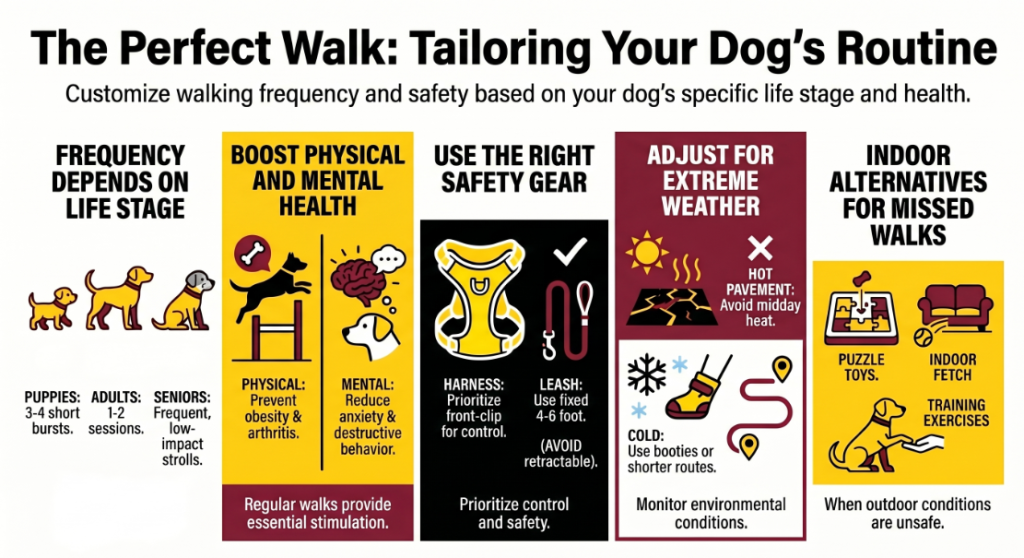
The age of your dog plays a significant role in determining how often you should walk them. Puppies, as energetic as they are, need shorter, more frequent walks to burn off their energy. Typically, puppies should be walked at least 3-4 times a day for shorter periods to avoid overexertion.
For adult dogs, most will need about 1-2 walks a day, depending on their breed and energy level. High-energy breeds like Border Collies or Labradors may require more intense walks or an extra session to burn off their energy, while more laid-back breeds like Bulldogs may be fine with shorter walks.
As dogs age, their activity levels tend to decrease. Senior dogs still need regular exercise, but their walks should be adjusted to accommodate their physical limitations, such as arthritis or joint pain. For older dogs, consider shorter walks or walks that allow for frequent stops to rest.
Health Conditions and Medical History
If your dog has specific health conditions, such as arthritis, hypothyroidism, or diabetes, these should be factored into the walking routine. For example, dogs with arthritis may require shorter walks but more frequent sessions, while dogs with diabetes benefit from consistent exercise to help regulate their blood sugar levels.
If your dog is recovering from surgery, or has recently had a medical procedure, consult with your vet to determine the appropriate walking frequency and intensity. It’s important to balance recovery with physical activity to prevent complications, but also to ensure your dog stays physically active during recovery.
How to Tailor Your Dog’s Walking Schedule Based on Their Needs
Understanding your dog’s specific needs is the key to creating a walking routine that works for them. It’s important to customize the schedule based on your dog’s breed, energy levels, and any health concerns. By doing so, you can ensure your dog gets the right amount of exercise while keeping their physical and mental health in check.
Determining the Right Frequency
Every dog is different, and their ideal walking schedule will depend on various factors, such as their energy level, breed, and health conditions. The general guideline for most dogs is to aim for at least one walk a day, with some dogs requiring two or more depending on their energy levels.
For puppies, shorter walks of about 15-30 minutes several times a day are ideal. As your dog matures, they may require longer walks that last 30-60 minutes to keep their energy in check.
For senior dogs, focus on the quality of the walk rather than the duration. Older dogs may benefit from more frequent short walks, with breaks in between, to ensure they stay active without overexerting themselves.
Creating a Flexible Schedule
While it’s important to establish a routine for your dog, there will be times when it’s okay to adjust your walking schedule. If the weather is particularly harsh (extreme cold or heat), or if your dog is unwell, it may be best to skip a walk or replace it with an alternative activity such as indoor playtime or interactive toys. However, if you do skip a walk, make sure to compensate with extra mental stimulation or shorter play sessions throughout the day.
If you’re ever unsure about your dog’s walking needs, consider consulting with your vet to create a routine that’s in line with their health and exercise requirements.


Dog Category | Recommended Daily Frequency | Session Duration | Primary Benefits | Physical Considerations | Suggested Equipment | Weather Precautions | Inferred Activity Intensity |
High-energy breeds (e.g., Border Collies, Labradors) | At least 2 times a day | 30-60+ minutes | Burn off excess energy, prevent boredom, and reduce destructive behavioural issues. | High stamina; requires significant physical and mental engagement. | Training leash or dual-leash system for control, front-clip harness. | Monitor for overheating during intense sessions in warm weather. | High |
Puppies | 3-4 times a day | 15-30 minutes | Promote physical growth, development of strong bones and muscles, prevent obesity, and provide mental stimulation. | Developing bodies prone to strain; avoid overexertion. | Harness, 4 to 6-foot leash, ID tags. | Avoid extreme heat or cold; use booties in winter for paw protection. | Moderate |
Adult Dogs (General) | 1-2 times a day | 30-60 minutes | Weight management, muscle tone, cardiovascular health, and stress reduction. | Maintain healthy weight and active joints to prevent diabetes and hypothyroidism. | Front-clip harness, 4 to 6-foot leash, ID tags. | Walk in cooler parts of the day during heat; monitor for heatstroke or hypothermia. | Moderate |
Senior Dogs | 2-3 times a day | Shorter walks with frequent rest stops | Keeps joints active, maintains muscle tone, and manages arthritis/joint pain. | Arthritis, joint stiffness, and decreased energy levels. | Comfortable harness, booties for winter warmth and protection. | Avoid long walks in the cold to prevent joint stiffness; sensitive to extreme temperatures. | Low |
Dogs with health conditions (Arthritis, Diabetes) | More frequent or consistent daily sessions | Shorter durations | Regulate blood sugar levels (Diabetes) and maintain joint mobility (Arthritis). | Joint pain, muscle fatigue, and blood sugar regulation needs. | Orthopaedic-friendly harness, booties. | Cold weather can worsen joint stiffness in arthritic dogs. | Low to Moderate |
Flat-faced breeds (e.g., French Bulldogs, Pugs) | Not in source | Shorter walks | General health maintenance without respiratory stress. | High sensitivity to heat and respiratory limitations. | Harness (to avoid neck pressure), ID tags. | Walk during cooler hours only; high risk of overheating. | Low |
The Best Practices for Walking Your Dog Safely
Walking your dog is an important activity that helps with their overall health, but it also comes with its own set of safety considerations. To ensure that your dog’s walking routine is both enjoyable and healthy, there are several best practices you should follow. From the right walking gear to weather conditions and alternatives to regular walks, let’s go over the essentials of safe and effective dog walking.
Gear and Equipment
Choosing the right leash and harness for your dog is crucial to their safety and comfort. The right gear can prevent injury and ensure better control during walks, especially for high-energy dogs or dogs that are still in training.
- Leashes: For most dogs, a 4 to 6-foot leash is ideal, giving them enough room to move but still allowing you to maintain control. For strong or excitable dogs, you may need a training leash or a dual-leash system to improve control.
- Harnesses: A harness is usually more comfortable and safer than a collar, especially for dogs that tend to pull. Look for a front-clip harness, which helps to prevent pulling by steering the dog back towards you. Avoid using retractable leashes for regular walks, as they can make it difficult to control your dog, particularly in busy or unsafe environments.
- ID Tags: Make sure your dog has ID tags on their collar or harness, in case they slip away from you during a walk. It’s also a good idea to have your dog microchipped for added security.
Adjusting for Weather Conditions
Weather conditions can significantly affect your dog’s ability to walk comfortably and safely. Walking in extreme temperatures, whether it’s extreme cold or heat, can cause serious issues for your dog. Here’s how to adjust your walking routine based on the weather:
- Extreme Heat: During hot weather, be mindful of your dog’s paws. Hot asphalt or pavement can burn your dog’s pads, and they can overheat quickly in high temperatures. Stick to walking during the cooler parts of the day (early morning or late evening) and avoid walking during midday when it’s the hottest. If you must walk in the heat, take frequent breaks for water and rest, and watch for signs of heatstroke, such as heavy panting, drooling, and lethargy.
- Extreme Cold: During winter, snow and ice can be hazardous for dogs. Senior dogs or those with arthritis should avoid long walks in the cold to prevent joint stiffness. Invest in dog booties to protect your dog’s paws from salt, ice, and snow, as well as to help keep them warm. If your dog has a thick coat, make sure they don’t overheat, and always check for signs of frostbite or hypothermia, especially on paws, ears, and tail.
- Rain and Storms: Most dogs don’t mind a bit of rain, but it’s important to check your dog’s temperament. If your dog is scared of thunderstorms or heavy rain, consider shorter walks or indoor activities on such days.
Flat-faced breeds like French Bulldogs and Pugs are more sensitive to heat and should be walked during cooler hours only. While exercise is vital, safety comes first; knowing if it is too cold to walk your dog helps prevent hypothermia or paw damage from icy pavemen.
-
Louis Pawtton Hero Brown Checkered Designer Leather Dog Harness and Leash Set
$35.00 – $94.50Price range: $35.00 through $94.50 -
Pawcci Designer Dog Harness And Leash Set
$59.50Original price was: $59.50.$39.00Current price is: $39.00.Rated 5.00 out of 5 -
Furry Berry Plaid Bow Tie Dog Collar And Leash
$20.00 – $35.00Price range: $20.00 through $35.00 -
Furdi FF Monogram Designer Dog Harness And Leash
$26.00 – $57.50Price range: $26.00 through $57.50Rated 5.00 out of 5


Alternatives to Walking When You Can’t Walk Your Dog
While regular walks are vital for your dog’s health, there will be times when a walk is simply not possible. Whether it’s due to extreme weather, your schedule, or your dog’s health, you’ll need some alternatives to ensure your dog still gets the exercise and stimulation they need. Here are a few ideas:
Indoor Activities
If you can’t get outside for a walk, there are plenty of indoor activities you can do with your dog to keep them active. These alternatives will help stimulate your dog’s mind and body when walking is not an option.
- Fetch: Even indoors, you can play fetch with your dog. Use a hallway or large room where you have plenty of space. A soft ball or tug toy will work well for this indoor game.
- Interactive Toys: Puzzle toys, treat-dispensing toys, and lick mats are great for mental stimulation and can keep your dog entertained for hours.
- Training Exercises: Use this time to work on obedience training. Teaching new tricks or reinforcing old ones provides both physical and mental exercise.
- Tug-of-War: A fun game that can help your dog release energy. Be sure to play in a controlled manner to ensure it doesn’t get out of hand.
Dog Parks and Playdates
If the weather is fine but you can’t get your dog out for a walk, consider heading to a local dog park or scheduling a playdate with other dogs. Dog parks are a great way for your dog to get some socialization while also burning off energy. It’s a safe space where they can run freely, interact with other dogs, and practice their social skills.
However, make sure your dog is comfortable with other dogs, and supervise their interactions. Some dogs may not be ready for dog parks due to behavioral issues or anxiety, so always gauge your dog’s temperament before visiting a park.
Hiring a Dog Walker
If your schedule doesn’t allow you to walk your dog during the day, or if you need help while you’re away, consider hiring a dog walker. A professional dog walker can ensure that your dog gets the exercise and mental stimulation they need, even when you’re not around. Many dog walkers are also experienced in handling dogs with special needs, such as senior dogs, puppies, or dogs recovering from surgery.
Dog walkers can be found through local services or apps, or you can ask friends and neighbors for recommendations. It’s important to choose someone who is experienced and trustworthy, as they will be handling your pet’s well-being while you’re not there.
Common Dog Walking Mistakes and How to Avoid Them
While walking your dog may seem straightforward, there are a few common mistakes that many pet owners make. Understanding these mistakes can help you create a safer, more enjoyable walking routine for your dog.
Over-Exercising Your Dog
Just as you don’t want to under-exercise your dog, over-exercising can also be harmful. While dogs need exercise, walking too long or too vigorously can lead to muscle fatigue, injuries, and exhaustion. This is particularly true for dogs with health conditions, senior dogs, or overweight dogs.
Signs that your dog is overexerted include heavy panting, limping, and a lack of energy. Always listen to your dog’s cues and be mindful of their physical limits. For puppies, avoid too much exercise, as it can strain their developing bodies.
Under-Exercising Your Dog
On the other hand, under-exercising your dog can also lead to problems. Dogs that aren’t walked regularly can become bored, anxious, and even develop destructive behaviors. Not getting enough exercise can also contribute to obesity and associated health issues. Even if you can’t manage long walks every day, ensure your dog gets at least some form of physical activity. If you’re busy or have a particularly energetic dog, consider using a dog walker or scheduling playtime with other dogs to ensure they get enough exercise throughout the day.
Key Takeaways:
- Regular walks are essential for both the physical and mental well-being of your dog. They help maintain a healthy weight, improve muscle tone, reduce anxiety, and prevent behavioral issues.
- Your dog’s age, size, energy level, and health conditions should determine how often and how long you walk them. Puppies need more frequent, shorter walks, while senior dogs benefit from shorter but consistent walks.
- Breed also plays a role in how much exercise your dog needs. High-energy breeds like Labradors and Border Collies may require more intense and longer walks, while low-energy breeds like Bulldogs can get by with shorter walks.
- Always take weather conditions into account. Extreme heat and cold can be harmful to your dog, so adjust your walks accordingly or provide alternative indoor activities when needed.
- Having the right walking gear is essential. A proper harness, comfortable leash, and ID tags are necessary for safety and comfort. If you’re unsure about what’s best for your dog, consult with your vet or a professional dog walker.
- Alternatives like indoor games, dog parks, or hiring a dog walker can help when regular walks are not feasible.
Conclusion: A Balanced and Healthy Walking Routine for Your Dog
In conclusion, walking your dog is not just about exercise; it’s an opportunity to strengthen your bond with them, provide mental stimulation, and ensure they stay healthy and happy. By understanding your dog’s specific needs, you can create a walking routine that works best for their age, breed, and health condition. Remember to adjust the duration, frequency, and intensity of walks based on factors like energy levels, weather, and health conditions. Most importantly, keep your walks safe, enjoyable, and consistent, and your dog will thank you with their happy wagging tail.
If you’re ever in doubt about your dog’s specific walking needs or need help setting up a routine, don’t hesitate to consult a professional dog walker or your veterinarian. They can offer personalized advice based on your dog’s health and exercise tolerance. And if you need additional supplies for safe and enjoyable walks, be sure to check out Supreme Dog Garage’s products for quality harnesses, leashes, and walking accessories that ensure the best possible experience for you and your dog.

Top Dog Walking Products for Every Adventure
Make every walk an experience with premium dog walking gear from Supreme Dog Garage. Whether you’re exploring the neighborhood or hitting the trails, our curated selection of leashes, harnesses, collars, and accessories combines style, comfort, and durability, perfect for every pup and their person.
