

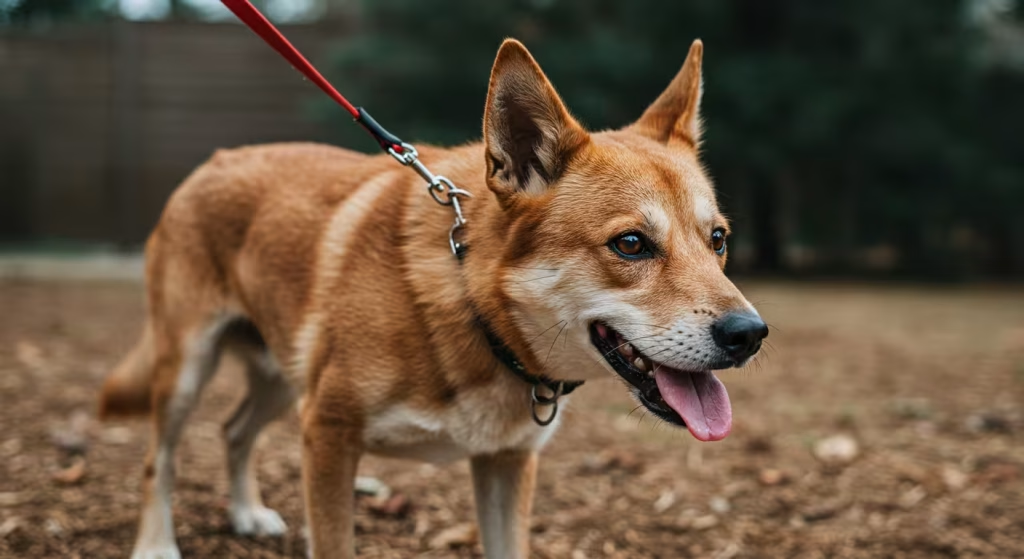
Dog Training: How to Leash Train an Older Dog
Walking a dog should be a relaxing and enjoyable experience, but for many owners of older dogs, it turns into a daily challenge. You might be dealing with pulling, stubbornness, or even refusal to move once the leash is clipped on. The good news is that older dogs can learn how to walk politely on a leash with patience and the right training methods. Leash training is not just about better behavior on walks; it is about safety, health, and building a stronger bond with your dog. Even if you’ve recently adopted a senior dog or your long-time companion has never mastered leash manners, this guide will give you practical, step-by-step advice. And along the way, we’ll highlight the right tools, such as no-pull harnesses, strong dog leashes, and comfortable collars, that can make the process much easier.
Why Won’t My Older Dog Walk on a Leash?
It’s common for older dogs to struggle with leash walking, and the reasons often go beyond simple stubbornness. Some dogs have never been properly trained before, which means everything about walking calmly on a leash feels foreign. Others may have developed habits like pulling or lunging that were never corrected when they were younger. In some cases, physical discomfort plays a role; dogs with arthritis, hip issues, or joint stiffness may resist walking because it causes pain. Anxiety and fear can also be factors, especially if your dog has had negative past experiences with collars or leashes.
The key to solving these challenges is first identifying the root cause. If health is a concern, a veterinary check-up should come before training. If anxiety or lack of exposure is the issue, starting slow indoors with a comfortable harness can make a world of difference. At Supreme Dog Garage, we recommend padded, adjustable harnesses that reduce neck pressure and give dogs a sense of comfort while they get used to leash walking. Before training even begins, making sure your dog feels secure in the right equipment will set you both up for success.
Why Is Leash Training Important for Older Dogs?
Many people assume leash training is mainly for puppies, but it is just as essential for older dogs. Without proper leash manners, walks can become stressful for both you and your dog. More importantly, leash training protects your dog from dangerous situations. An older dog that pulls suddenly can strain their own body and yours, risking injury. Training them to walk calmly prevents sudden dashes into traffic, unwanted confrontations with other animals, or falls caused by pulling.
From a health standpoint, walks are vital for older dogs. Gentle daily exercise helps maintain mobility, supports joint and muscle strength, and prevents obesity. Mentally, a structured walk with clear leash rules provides stimulation that keeps your dog engaged and less anxious. Finally, leash training strengthens your relationship. Walking side by side with your dog in harmony builds trust and reinforces your role as their guide.
This is where the right gear makes a difference. A no-pull harness helps guide your dog without putting pressure on the neck, and a durable nylon or leather leash ensures control without slipping. By combining positive training with the right tools, leash walking becomes less of a battle and more of a bonding experience. For owners of older dogs, that bond is more important than ever.


How Do You Start Leash Training an Older Dog?
Training an older dog requires patience and consistency, but the process is very achievable if you break it down into manageable steps. Unlike puppies, senior dogs may already have set habits or even bad experiences, so you’ll need to take things slowly and make every step positive. The goal is not only to teach them the skill of walking calmly on a leash but also to ensure they feel safe and comfortable throughout the process. The first thing to consider is the type of gear you use. The right harness, collar, and leash combination can reduce stress on your dog’s body and make leash training more effective. Once you have the equipment ready, start indoors, use positive reinforcement, and gradually build confidence before moving outside. Each step builds on the previous one, creating a smooth training journey for you and your dog.
Step 1 – Should I Use a Collar or Harness for Training?
One of the most common questions dog owners ask is whether to train with a collar or a harness. Both options can work, but the choice depends on your dog’s health, comfort, and walking habits. Collars are simple and familiar, but they can put unnecessary pressure on an older dog’s neck, especially if the dog pulls or has breathing issues. For dogs with trachea sensitivity or arthritis, collars may even cause discomfort.
Harnesses, on the other hand, distribute pressure evenly across the chest and shoulders, making them much safer for older dogs. A no-pull harness not only prevents choking but also gives you more control during training. At Supreme Dog Garage, we recommend our padded, adjustable harnesses, which reduce neck strain and help redirect pulling without causing pain. This makes them ideal for leash training sessions, particularly for senior dogs who need comfort and gentle guidance.
Step 2 – How to Get Your Dog Comfortable Indoors First
Before taking your older dog outside, it’s best to start leash training indoors where distractions are minimal. Clip the leash onto their harness or collar and let them walk around freely inside the house. The goal is to help your dog associate the leash with calm, positive experiences. Use treats, praise, and gentle encouragement every time they remain relaxed while wearing the leash.
You can also practice guiding your dog a few steps at a time. Walk slowly around your living room or hallway, and reward them whenever they follow without pulling. If they stop or resist, avoid dragging them forward; instead, encourage them with a treat or toy. By starting indoors, you create a safe environment where your dog can build confidence. Once your dog begins to walk calmly indoors, you’ll have a strong foundation for progressing to outdoor environments.
Step 3 – What’s the Best Way to Teach Loose Leash Walking?
Loose leash walking is one of the most important skills to teach, especially for older dogs who may have a history of pulling. The concept is simple: your dog should walk beside you without keeping the leash tight. Start by holding the leash comfortably with some slack, and when your dog begins to pull ahead, stop walking immediately. Stand still and wait until the leash loosens, then reward your dog for coming back to you. This teaches them that pulling will not get them where they want to go, but calm behavior will.
Use high-value treats to reinforce this behavior and keep sessions short in the beginning. Avoid harsh tugs or punishment, as these can cause stress and even injury, particularly in senior dogs. Instead, keep training positive, consistent, and calm. A durable training leash from our Leash Collection can help you maintain control while giving your dog enough freedom to learn loose leash walking effectively.
Step 4 – How Do You Handle Pulling, Lunging, or Stubbornness?
Even with patience, many older dogs will test boundaries during leash training by pulling, lunging, or refusing to move. Instead of reacting with frustration, it’s important to use redirection techniques. If your dog pulls toward something, stop walking and redirect their focus with a treat or by calling their name. If they lunge toward distractions like other dogs or squirrels, use a front-clip harness or head halter to guide their body back without causing harm. These tools are especially effective because they give you more control without resorting to force.
For stubborn moments when your dog simply refuses to walk, try changing direction or encouraging them with rewards. Consistency is crucial; never allow pulling to result in progress. Over time, your dog will learn that calm, controlled walking is the only way forward. For these moments, a strong training leash from our Training Leashes Collection can give you both comfort and control, making it easier to handle stubborn behavior during walks.
Step 5 – When Can You Progress to Outdoor Walks?
Once your older dog is comfortable indoors and understands the basics of walking on a loose leash, you can begin practicing outdoors. Start in a quiet, low-distraction environment such as your backyard, a calm street, or a local park during off-hours. Keep the first sessions short and positive, focusing on rewarding calm behavior. As your dog improves, gradually introduce more stimulating environments with other dogs, people, and noises.
It’s important to be patient at this stage. Senior dogs may need extra time to adapt to outdoor distractions. Always bring treats, keep your training sessions consistent, and use a secure harness and leash combination for safety. Progress slowly, and remember that success is measured by steady improvement, not speed. With time and consistency, your older dog will learn to walk calmly even in busy areas.
-
Louis Pawtton Hero Brown Checkered Designer Leather Dog Harness and Leash Set
$35.00 – $94.50Price range: $35.00 through $94.50 -
Pawcci Designer Dog Harness And Leash Set
$59.50Original price was: $59.50.$39.00Current price is: $39.00.Rated 5.00 out of 5 -
Furry Berry Plaid Bow Tie Dog Collar And Leash
$20.00 – $35.00Price range: $20.00 through $35.00 -
Furdi FF Monogram Designer Dog Harness And Leash
$26.00 – $57.50Price range: $26.00 through $57.50Rated 5.00 out of 5


Troubleshooting Leash Training Problems With Older Dogs
Even with the best methods, leash training doesn’t always go perfectly. Older dogs can present unique challenges, but most issues can be solved with patience and the right strategies.
Why does my older dog pull on the leash?
Pulling often comes from excitement or a lack of previous training. Use the stop-and-stand method and reward your dog only when the leash is loose. A no-pull harness can also help reduce pulling safely.
What if my dog refuses to walk?
Refusal can signal discomfort, anxiety, or stubbornness. Check for medical issues first, then try motivating with treats or starting in quieter areas. Never drag your dog forward; it damages trust.
How do I stop leash biting or chewing?
Provide a chew toy before walks and discourage leash biting with redirection. Using a strong nylon or leather leash from our Leash Collection prevents damage and keeps you in control.
Can you leash train a stubborn or anxious senior dog?
Yes, but it requires patience and positive reinforcement. Short sessions and calm environments are essential. Consider anxiety-reducing gear like a comfort harness for extra security.
When should I seek professional dog training help?
If your dog’s behavior becomes dangerous, unmanageable, or progress stalls despite consistency, it may be time to consult a professional trainer. They can provide customized guidance while you continue reinforcing good behavior at home.
Training Tips Tailored to Older Dogs
Leash training an older dog requires a slightly different approach compared to working with puppies. Senior dogs may have health limitations, ingrained habits, or simply less patience for long sessions. That’s why it’s important to keep each training session short, consistent, and positive. Instead of marathon walks, aim for 10–15 minutes of focused training at a time, repeated several times throughout the day. This prevents fatigue and ensures your dog stays engaged.
Adjust the pace of your training based on your dog’s stamina and health. For example, dogs with joint issues or arthritis may not be able to keep up with long walks but can still benefit from slow, steady leash practice. Always use high-value rewards like soft, easy-to-chew treats that are appealing without being hard on sensitive teeth. It also helps to mix in mental enrichment during training, such as practicing commands like “sit,” “stay,” or “heel.” These short, engaging tasks keep your dog’s mind sharp while reinforcing obedience on the leash.
Patience is your best tool. Older dogs might progress more slowly, but with consistency and encouragement, they can learn just as well as younger ones. Remember: every calm step forward is a success worth celebrating.
What Training Tools Work Best for Older Dogs?
The right equipment can make leash training smoother and safer for older dogs. Unlike younger dogs that may tolerate less comfortable gear, seniors benefit from products that prioritize comfort and control. Here’s what to consider:
Which Harness is Best for Senior Dogs?
Harnesses are the most recommended option for leash training older dogs. They distribute pressure across the chest instead of concentrating it on the neck, which reduces the risk of injury. Look for padded, adjustable harnesses with a no-pull design, as they provide maximum comfort while giving you more control. Front-clip harnesses are especially effective for managing pulling since they redirect your dog back toward you in a gentle way.
At Supreme Dog Garage, we feature a variety of luxury no-pull harnesses designed for comfort and safety. These harnesses are ideal for senior dogs that need extra support while learning to walk calmly on a leash.
What’s the Best Leash for Training?
A strong, durable leash is essential for older dogs, especially during training. A 4–6 foot leash is the recommended length because it provides enough freedom for your dog to explore while still allowing you to maintain control. Avoid retractable leashes for training sessions, as they can encourage pulling and give less consistent feedback.
For daily walks and training, we recommend the premium leashes from our Leash Collection. Made with durable materials like nylon or leather, they provide strength without sacrificing comfort in your hands, making walks more enjoyable for both you and your dog.
Do Older Dogs Need Special Collars?
While dog collars are not the best choice for leash training, they can still be useful for identification and light use. Older dogs with delicate necks should wear soft, wide collars that reduce pressure points. Breakaway collars can be a safe option for dogs that spend time indoors or in yards, as they prevent accidents if the collar gets caught.
Use collars primarily for ID tags and backup control, but rely on a harness for the majority of leash training sessions.
Treats & Rewards That Motivate Older Dogs
Senior dogs may have reduced appetite or dental issues, so choosing the right treats is important. Opt for small, soft, and easy-to-chew rewards that won’t cause discomfort. High-value treats like chicken pieces, soft training bites, or even peanut butter (in moderation) can keep your dog motivated during training sessions.
Always adjust treat size to your dog’s diet to prevent weight gain. For extra enrichment, rotate between different reward types to keep your dog interested and engaged during leash training.
Comparison: Harness vs Collar vs Leash for Older Dogs
Training Tool | Best Features | Why It Works for Older Dogs | Recommended Use |
Harness | Padded, adjustable, front-clip | Distributes pressure safely, reduces strain | Best for leash training & control |
Collar | Soft, wide, lightweight | Comfortable for light wear, ID tags | Use for identification, not training |
Leash | 4–6 ft, nylon or leather | Strong and durable, it prevents excessive slack | Daily walking & training sessions |
Advanced Leash Training Techniques for Older Dogs
Once your dog understands the basics of leash walking, you can move on to more advanced techniques that improve control and focus. One of the most useful commands is heel walking, where your dog walks directly at your side without pulling. Practice this by using treats at your thigh level and rewarding your dog for staying in position.
Another effective skill is teaching your dog to “check in” with you during walks. Encourage them to make eye contact periodically, then reward them with praise or treats. This builds focus and reduces distraction.
Gradually introduce more challenging environments as your dog improves. Start with quiet areas, then move to busier streets or parks. Always increase difficulty slowly to avoid overwhelming your dog. Using variable rewards, not giving treats every time but still offering praise, helps maintain motivation without dependence on food. These advanced exercises not only improve leash manners but also strengthen your bond with your dog, making walks smoother and more enjoyable.
Frequently Asked Questions (FAQ)
Can an 8-year-old dog be leash-trained?
Yes, dogs of any age can learn new behaviors. With patience, consistency, and positive reinforcement, even senior dogs can master leash training.
How long does it take to leash train an older dog?
It depends on the dog’s history and personality. Some may improve within a few weeks, while others take several months of consistent practice.
What’s the easiest way to stop pulling on the leash?
Stop walking immediately when your dog pulls and only continue once the leash is loose. Pair this with a no-pull harness for better results.
Is it better to use a harness than a collar?
Yes, especially for senior dogs. Harnesses distribute pressure safely and prevent strain on the neck, making them the better option for training.
Can leash training improve my dog’s behavior at home?
Absolutely. Structured leash training builds discipline and reduces anxiety, which often translates into calmer behavior indoors.
Conclusion – Walking Your Older Dog Should Be Joyful, Not Stressful
Leash training an older dog may take time, but the rewards are worth the effort. With patience, the right equipment, and consistent practice, you can transform stressful walks into positive experiences. Remember that progress may be slow, but every step your dog takes calmly by your side is a victory.
The most important ingredients are consistency, encouragement, and comfort. Using tools like luxury no-pull harnesses, durable leashes, and supportive collars ensures your dog stays safe and confident while learning. Training doesn’t just improve walks; it strengthens the bond you share with your senior companion.
For high-quality gear that supports your training journey, explore the Dog Walking Gear Collection at Supreme Dog Garage. The right tools, paired with patience and love, will make walking your older dog a joy again.

Top Dog Walking Products for Every Adventure
Make every walk an experience with premium dog walking gear from Supreme Dog Garage. Whether you’re exploring the neighborhood or hitting the trails, our curated selection of leashes, harnesses, collars, and accessories combines style, comfort, and durability, perfect for every pup and their person.
