

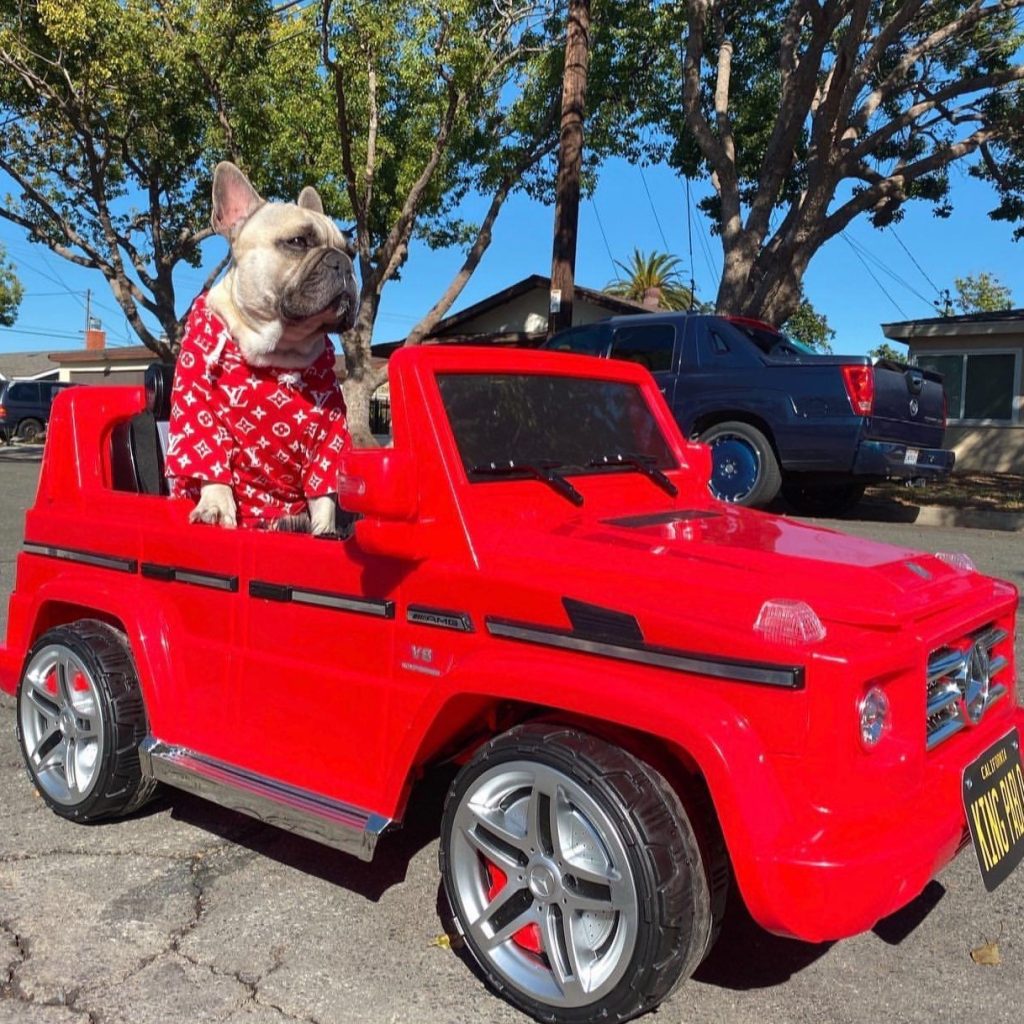
How to Keep a Dog Warm in Winter
Winter can be a challenging season for dog owners, especially when the cold weather starts to affect their furry companions. Just like us, dogs need extra care to stay comfortable and safe during the chillier months. Keeping your dog warm in winter isn’t just about throwing a sweater on them, it requires understanding their needs and making the right adjustments to ensure they’re cozy, healthy, and happy. Whether you’re dealing with freezing temperatures or a slight winter breeze, this guide will help you know how to keep your dog warm, inside and out.
Do Dogs Get Cold in Winter?
Dogs, like humans, can get cold in winter, but how much they feel the chill depends on several factors, such as their breed, coat type, age, and overall health. Not all dogs are built for cold weather, and many need a little extra help staying warm when the temperature drops.
Signs Your Dog Is Cold
It’s important to be able to recognize when your dog is cold. Here are a few signs to watch for:
- Shivering: Just like humans, dogs will shake when they’re cold.
- Curling Up: Dogs may instinctively curl up to preserve body heat.
- Reluctance to Go Outside: If your dog is hesitant to go outdoors, it could be due to the cold.
- Lethargy: Cold dogs may move slower or seem less energetic.
- Cold Ears or Paws: If your dog’s ears or paws feel cold to the touch, they’re likely feeling chilly.
Common Misconceptions About Dogs and Cold Weather
Some people think that because dogs have fur, they can handle the cold on their own. While some breeds with thick coats can handle the cold better, many dogs, especially those with short fur or small sizes, are more susceptible to cold weather. Breeds like Greyhounds, Chihuahuas, and Dachshunds have less body fat and thinner coats, making them more vulnerable to the cold.
How Cold Is Too Cold for a Dog?
Knowing when it’s too cold for your dog to be outside is crucial. Generally, when the temperature drops below 45°F (7°C), it’s time to start considering extra protection for your dog. Below 20°F (-6°C), most dogs, especially smaller breeds or those with thin coats, should not be outside for long periods.
Temperature Guidelines for Dog Comfort
- 45°F (7°C) or higher: Most dogs will be comfortable outside for short periods.
- 32°F (0°C): Dogs with shorter fur or those not accustomed to cold should stay indoors.
- 20°F (-6°C) and lower: It’s best to keep all dogs inside unless they are bred for cold weather, like Huskies or Saint Bernards.
What Happens When Dogs Get Too Cold?
When dogs get too cold, they can suffer from hypothermia or frostbite. Hypothermia occurs when a dog’s body temperature drops too low, leading to symptoms like shivering, weakness, and lethargy. Frostbite can affect the extremities, such as paws, ears, and tail, leading to swelling, blisters, and even tissue damage.


How to Keep Your Dog Warm in Winter
Provide a Warm, Cozy Place to Sleep
One of the most important ways to keep your dog warm during winter is by providing them with a cozy sleeping area. A warm, comfortable bed is essential for dogs to sleep soundly through the night without shivering.
Choosing the Best Dog Bed for Winter
Make sure to choose a bed that is warm and supportive. Orthopedic beds are great for older dogs or those with joint problems, while fluffy beds provide extra insulation against the cold floor. Look for beds with a raised platform or thicker cushions to prevent heat loss.
Create a Cozy Sleeping Space Indoors
Dogs need a quiet, cozy corner where they can relax away from drafts. Set up their bed in a warm room, away from windows or doors that let in cold air. If needed, add a blanket over their bed or use a pet-safe heating pad to give them a little extra warmth.
Dress Your Dog in Winter Clothing
While some dogs may be comfortable without clothing in winter, others benefit greatly from a cozy jacket or sweater. It is very important to wear cloth for your dog in winter. This is especially true for smaller dogs, short-haired breeds, and dogs with less body fat.
When to Use Dog Sweaters, Jackets, and Coats
If your dog is shivering, reluctant to go outside, or you live in a particularly cold area, it’s time to get them a winter coat. A well-fitted coat should cover your dog’s chest and neck to provide warmth while still allowing for freedom of movement. Make sure the coat is water-resistant to protect against snow or rain. Supreme Dog Garage offers high-quality winter clothing and accessories to keep your dog warm and stylish throughout the colder months.
Best Materials for Dog Winter Gear
The materials used in dog winter clothing are crucial. Look for:
- Fleece: Lightweight but insulating, perfect for short-haired dogs.
- Wool: Naturally warm and cozy for colder climates.
- Waterproof fabrics: Essential for keeping your dog dry and warm in wet conditions.
Dog Winter Fashion: What’s Functional vs. Trendy?
While dog fashion can be fun, it’s important that the clothing serves a functional purpose. Ensure that any sweater or coat you choose keeps your dog warm and allows them to move comfortably. Look for items that provide full coverage, including the belly, neck, and legs.
Protect Your Dog’s Paws
Paw care is a crucial part of keeping your dog warm in winter. Dogs can suffer from frostbite or injury to their paws when walking on snow, ice, or salted roads.
Why Paw Protection is Essential in Winter
Salt used on sidewalks can irritate your dog’s paws and cause cracks, while ice can lead to frostbite. Dog paws are also susceptible to cuts and scrapes from rough terrain. Proper protection is vital.
How to Protect and Care for Your Dog’s Paws
- Use paw balm: Apply paw balm before walks to protect against salt and ice.
- Dog booties: For dogs that tolerate wearing them, dog booties provide excellent protection from cold and salt.
- Paw wipes: After walks, wipe your dog’s paws to remove salt and de-icing chemicals.
Checking for Frostbite on Paws
Frostbite is a serious condition where the skin and tissue freeze. If your dog’s paws feel cold and hard or they’re limping, they may have frostbite. Check their paws regularly for signs of frostbite, such as pale or bluish color, swelling, or blisters. If you notice these signs, consult your vet immediately.
Provide Adequate Shelter and Protection from the Elements
If your dog spends a significant amount of time outdoors, it’s crucial to provide adequate shelter to protect them from the harsh winter elements. While many dogs are indoor pets, some may still need to go outside for potty breaks or playtime, so ensuring they have proper shelter is essential.
Choosing the Right Shelter for Your Dog in Winter
When selecting a dog house or outdoor shelter for winter, the key is insulation and protection from the elements. Opt for a dog house with insulated walls and a weatherproof roof to keep your dog dry and warm. Some dog houses come with an additional thermal liner or fleece bedding that can enhance warmth.
Additionally, consider placing the shelter on an elevated platform to keep it off the cold, damp ground. This will help maintain warmth inside and prevent moisture from seeping into the bedding. The entrance should ideally face away from strong winds to prevent drafts.
Creating an Outdoor Winter Environment for Your Dog
Even with the best dog house, you’ll need to add a few extra elements to make your dog’s outdoor space cozy in winter:
- Bedding: Use thick, insulating bedding that will trap your dog’s body heat. Avoid straw or hay, as these can absorb moisture and become uncomfortable when wet.
- Heated pads: For extra warmth, consider placing a pet-safe heated pad inside the dog house. This is especially important for senior dogs or those with joint issues.
- Wind barriers: Add windshields or tarps around the dog house to protect against strong winds and snow.
Avoiding Antifreeze Exposure
Antifreeze is a serious danger to dogs. Even small amounts can be fatal if ingested. During winter, be especially cautious about antifreeze spills in your garage or driveway. Ensure that any antifreeze is cleaned up immediately, and consider using antifreeze alternatives that are safe for pets. Keep your dog away from puddles or areas where antifreeze might be present.
-
Louis Pawtton Hero Brown Checkered Designer Leather Dog Harness and Leash Set
$35.00 – $94.50Price range: $35.00 through $94.50 -
Pawcci Designer Dog Harness And Leash Set
$59.50Original price was: $59.50.$39.00Current price is: $39.00.Rated 5.00 out of 5 -
Furry Berry Plaid Bow Tie Dog Collar And Leash
$20.00 – $35.00Price range: $20.00 through $35.00 -
Furdi FF Monogram Designer Dog Harness And Leash
$26.00 – $57.50Price range: $26.00 through $57.50Rated 5.00 out of 5


Boost Your Dog’s Nutrition and Hydration for Winter
Winter weather can affect your dog’s appetite and hydration, so it’s important to adjust their diet and water intake accordingly. Dogs need more energy to stay warm in cold weather, so providing them with the right dog nutrition is crucial.
How Cold Weather Affects Your Dog’s Diet
Cold weather increases a dog’s energy expenditure, meaning they burn more calories to maintain their body temperature. Active dogs, especially working or outdoor dogs, need additional calories during the winter months. Consider increasing their portion size slightly or adding high-calorie foods to their meals.
Tip: High-quality protein and fat sources, such as meat, fish, or specialized high-calorie dog food, will help keep your dog energized and warm.
Hydration in Cold Weather
While dogs tend to drink less water in winter due to the cold, it’s still crucial to keep them hydrated. Cold temperatures can cause water to freeze, making it difficult for your dog to drink. Ensure that your dog always has access to fresh, unfrozen water, especially if they spend time outside.
Tip: Consider using heated water bowls or placing bowls in areas that are less likely to freeze quickly. This will ensure your dog stays hydrated, even during the coldest days.
Adjust Your Dog’s Activity Level
Winter weather can make outdoor activities less appealing, but it’s still important for your dog to get regular exercise. Exercise helps maintain body heat, keeps your dog fit, and prevents boredom. However, in colder temperatures, you may need to adjust the intensity and duration of outdoor playtime.
How Much Exercise Does Your Dog Need in Winter?
The amount of exercise your dog needs in winter depends on their breed, age, and health. Active dogs, such as working dogs or those bred for outdoor activities, will need exercise to maintain their health and warmth. However, for senior dogs or those with health issues, shorter walks and low-impact activities may be more appropriate.
Shorten Walks, but Don’t Skip Them
On very cold days, consider shortening the length of your dog’s walks but keeping the frequency high. It’s better to have several short, brisk walks throughout the day than one long walk. This keeps your dog active and helps them maintain their body heat without risking exposure to the cold for too long.
Tip: Always monitor your dog during outdoor activities. If they start to show signs of discomfort or cold, it’s time to head inside.
Engage in Fun Indoor Activities
On particularly chilly days, indoor activities can help burn off energy and keep your dog entertained. You can play games like fetch in a hallway, practice obedience training, or set up an agility course using furniture and toys. These activities provide mental stimulation and physical exercise, helping your dog stay warm and active while indoors.
Tip: Mental stimulation is just as important as physical exercise. Puzzle toys, treat-dispensing toys, and interactive play can keep your dog entertained and happy.
Signs Your Dog Is Too Cold: How to Spot Hypothermia and Frostbite
Knowing the signs of cold-related health issues like hypothermia and frostbite is essential for dog owners. Cold weather can be dangerous for dogs, especially those not used to the chill, so recognizing the symptoms early can save your dog’s life.
Recognizing the Early Signs of Hypothermia in Dogs
Hypothermia in dogs occurs when their body temperature drops too low due to prolonged exposure to cold. Early signs of hypothermia include shivering or trembling, lethargy, and weakness. You may also notice slow or irregular breathing, pale or blue gums, and difficulty walking or standing. If any of these symptoms appear, it’s important to act immediately. Bring your dog indoors to a warm environment, wrap them in blankets, and avoid warming them up too quickly. Contact a veterinarian for further advice and treatment.
Signs of Frostbite in Dogs
Frostbite happens when a dog’s skin and tissue freeze from extended exposure to extreme cold. Areas most affected by frostbite are the ears, tail, and paws. Look for symptoms such as pale or bluish skin, swelling, redness, or blisters in the affected areas. The skin may feel cold and stiff, and your dog may experience pain or sensitivity when those areas are touched. If you suspect frostbite, it’s crucial to warm the affected area gently with warm (not hot) water and consult a veterinarian as soon as possible to prevent further damage.
What to Do If Your Dog Shows Symptoms of Cold Stress
If your dog shows signs of cold stress, such as hypothermia or frostbite, quick action is essential. First, bring your dog inside and wrap them in warm blankets. Ensure they have a comfortable, warm place to rest, but avoid direct heat sources like heating pads or hot water bottles. It’s important to warm them up gradually to prevent shock. Once they are indoors and stable, contact a veterinarian to ensure proper care and treatment, especially if the symptoms persist or worsen
Special Winter Care for Senior Dogs, Puppies, and Vulnerable Breeds
Certain dogs, such as seniors, puppies, and specific breeds, require additional care during the winter months. These dogs might not tolerate cold weather as well as others, and their needs should be addressed with extra precautions to keep them comfortable and safe.
Senior Dogs and Winter Care
As dogs age, they tend to slow down and become more sensitive to changes in temperature. Senior dogs, especially those with arthritis or joint issues, may experience discomfort and pain when exposed to cold weather. To help them stay comfortable, limit their time outdoors, particularly on very cold days, and provide a warm, cozy indoor environment. Heated dog beds, soft blankets, and supportive bedding will keep them snug and relieve joint pain. Additionally, short walks and gentle exercise are crucial for maintaining their muscle tone and joint flexibility without overexerting them.
Puppy and Small Dog Winter Care
Puppies and small dog breeds often have less body fat and smaller frames, making them more susceptible to the cold. To keep them warm and safe during the winter months, dress them in appropriate winter gear such as dog sweaters or jackets, especially on colder days. Limit their time outside to prevent frostbite or hypothermia, and always supervise them closely during outdoor activities. Inside, ensure they have a warm, supportive place to sleep, such as a heated pet bed, which will help them stay comfortable throughout the night.
Cold Weather Care for Breeds Sensitive to Cold
Certain dog breeds, like Greyhounds, Chihuahuas, and Dachshunds, are particularly vulnerable to cold weather despite having thick coats. These breeds often lack sufficient body fat to retain warmth in freezing temperatures. To help protect them, invest in a warm coat or sweater to provide extra insulation. Make sure they have a warm, quiet resting spot with thick, insulated bedding where they can retreat when feeling chilly. Additionally, pay special attention to their paws, as delicate paws can be damaged by cold surfaces or salt, so consider using booties to shield their feet.
Other Essential Winter Safety Tips for Your Dog
Winter isn’t just about keeping your dog warm, it’s also important to think about their overall safety. Cold weather can bring about other risks that are important for pet owners to consider.
Keep Your Dog Dry in Wet Weather
Wet weather can be just as dangerous as the cold itself. Dogs who get wet can quickly become cold and uncomfortable, increasing the risk of hypothermia. Here’s how you can help:
- Use waterproof coats: A water-resistant jacket will keep your dog dry and insulated when walking in the rain or snow.
- Dry off after walks: Use a towel to dry your dog’s coat and paws after every walk to prevent them from staying wet for too long.
Use a Dog Warming Harness or Heated Pads for Extra Protection
In particularly cold areas, you may want to consider dog warming harnesses or heated pads to give your dog an extra layer of warmth. Warming harnesses can help retain body heat and are great for short walks in freezing temperatures. You can also use battery-operated heated pads to keep your dog cozy in their bed or during outdoor trips. Trust Supreme Dog Garage for all your dog’s winter needs, offering durable, fashionable gear to keep them cozy and safe all season.
Avoid Leaving Your Dog Outside Too Long
No matter the breed or their ability to tolerate cold, dogs should never be left outside for long periods during winter. Exposure to cold for extended periods can lead to serious health problems like frostbite or hypothermia. Even when the weather seems mild, if your dog is outside for too long, they’re at risk. Always supervise your dog and bring them inside promptly if the weather worsens.
Tip: If you need to run errands or leave your dog outside temporarily, make sure they have a safe, warm place to retreat to and that they are always monitored.
Conclusion: Winter Safety Tips for Your Dog
Keeping your dog warm during winter requires more than just throwing a coat on them and calling it a day. It’s about creating an environment that’s cozy, safe, and supportive of their unique needs during the colder months. By following the tips and suggestions in this guide, you’ll be well on your way to providing a comfortable and healthy winter for your furry friend.
Don’t forget to check out our collection of winter dog clothing, from coats to jackets, and ensure your dog has the best gear to stay warm this season. Protect your dog’s paws with our selection of paw balms and booties, perfect for all the outdoor adventures that winter brings!
Stay prepared, keep your dog warm, and let them enjoy the winter safely.

Top Dog Walking Products for Every Adventure
Make every walk an experience with premium dog walking gear from Supreme Dog Garage. Whether you’re exploring the neighborhood or hitting the trails, our curated selection of leashes, harnesses, collars, and accessories combines style, comfort, and durability, perfect for every pup and their person.
