

How Long Do Dog Collars Last
A dog collar might seem like a simple accessory, but it is one of the most important pieces of gear for your pet. It keeps your dog safe, holds identification, and allows you to maintain control on walks. Many pet owners ask, How long do dog collars last? The answer isn’t as simple as a fixed timeline because lifespan depends on the collar’s material, your dog’s activity level, and environmental conditions. Understanding when to replace a collar can prevent accidents, discomfort, and unexpected failures, ensuring your dog remains safe at all times. With Supreme Dog Garage’s approach, you can combine safety, durability, and style in every collar you choose.
How Long Do Dog Collars Really Last?
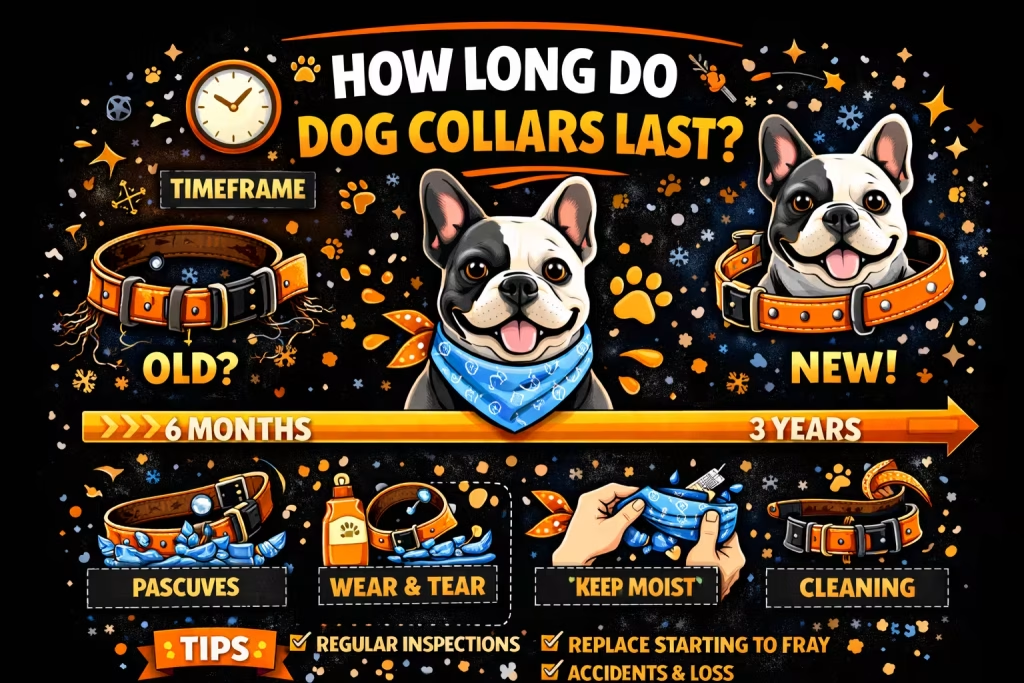
On average, a dog collar lasts between 6 months and 2 years, depending on its material and the dog’s usage. Nylon and polyester collars are typically on the shorter end of the lifespan scale, while leather and waterproof Biothane collars often last longer. However, time alone is not a reliable measure. Many collars fail due to wear, damage, or changes in the dog’s size and behavior. Visual inspections and regular maintenance are the best way to determine if a collar is still safe to use. Rotating collars for different activities, like daily walks or outdoor adventures, can also extend their life.
Why a Dog Collar Is a Safety Device, Not Just an Accessory
A collar does more than hold a leash; it is a critical safety tool. It keeps identification tags secure, controls your dog during walks, and helps prevent accidents. Cheap or worn collars are more likely to break, putting your dog at risk of running away or getting lost. Even high-quality collars can fail if they are damaged or improperly fitted. We focus on materials and construction that withstand daily wear, offering options that are both safe and stylish. Choosing a collar with strong hardware, reinforced stitching, and materials suited to your dog’s activity level ensures protection without sacrificing fashion.
What Determines How Long a Dog Collar Lasts?
The lifespan of a dog collar depends on several factors beyond material quality:
- Daily Wear: Collars worn 24/7 endure more stress than those used only during walks. Constant friction against fur and skin gradually weakens the fabric.
- Pulling Force: Dogs that pull heavily on the leash put extra pressure on the collar, especially at the buckle and D-ring connection points.
- Environmental Exposure: Sunlight can fade and weaken nylon, water can rot leather, and salt from beach visits can corrode metal hardware.
- Cleaning and Maintenance: Regular washing prevents odor and bacteria buildup, but machine washing or heat drying can reduce durability.
- Hardware Quality: A weak buckle or D-ring can fail before the fabric wears out. Metal hardware generally lasts longer than plastic, but it can rust if not properly cared for.
Understanding these factors helps dog owners predict how long their collar will last and know when replacement is necessary. Regular checks ensure that the collar continues to perform its role safely.
Dog Collar Lifespan by Material (What Lasts the Longest?)
The material your dog’s collar is made of determines exactly how long it will stay safe and functional. While there is no set expiration date, most collars last between six months and two years. Nylon and polyester are the most common choices because they are cheap and colorful, but they suffer from UV damage and fraying over time, usually needing a swap every 12 to 18 months. Genuine leather is a much tougher option that can easily last three to five years if you treat it with a bit of care.
However, leather can stretch out, which might lead to a loose fit. For those who want the ultimate longevity, waterproof synthetic materials like Biothane are the winners. These often stay in perfect condition for over five years because they do not rot, soak up water, or grow weak from bacteria.
Nylon & Polyester (The Standard)
Nylon is the backbone of the pet industry because it is lightweight and handles vibrant designer prints very well. However, nylon is a porous fiber. This means it soaks up skin oils, dirt, and moisture from the environment. Over time, these particles grind against the fibers, causing them to weaken and fray. If you notice fuzz appearing on the surface of the collar, that is a sign that the internal structure is breaking down. In the sunny parts of the US, like California or Florida, the sun’s rays can actually bleach the nylon and make the plastic buckles brittle. If your nylon collar feels stiff or looks faded, it has likely lost its original strength.
Genuine Leather (The Classic)
Leather is a natural material that offers a high level of comfort for your dog. It is much more resistant to the snap force of a pulling dog than cheap nylon. A high-quality leather collar is a long-term investment. The main issue with leather is that it reacts to moisture. If a leather collar gets wet and dries out repeatedly without being conditioned, it will develop deep cracks. These cracks are weak points where the collar could eventually split. You also have to watch the holes where the buckle sits; over years of use, these holes can oval out or stretch, which might result in the collar becoming too loose for safety.
Biothane & Synthetic Waterproofing
If your dog is constantly in the water or mud, synthetic waterproof collars are the only way to go. These are made from a polyester webbing with a TPU or PVC coating that makes them look like leather but act like iron. Because they are non-porous, they do not hold onto the bacteria that cause collars to smell. They are also immune to the rot that happens when fabric stays wet for too long. These collars rarely need replacing due to wear and tear; usually, owners only replace them because they want a new color or style from a recent Supreme Dog Garage drop.
Metal & Hardware Durability
The fabric of the collar often outlives the hardware. The D-ring, where you attach the leash, and the buckle are the two most common points of mechanical failure. In coastal areas, salt in the air can cause metal components to rust or corrode, making them weak. Plastic side-release buckles are also prone to failing if sand or dirt gets stuck inside the spring mechanism. You should always listen for a sharp, loud click when closing a buckle. If the click sounds muffled or the buckle feels mushy, the internal spring is likely worn out, and the collar could pop open under pressure.
Material Type | Estimated Lifespan | Best Environment | Key Weakness |
Nylon | 1–2 Years | Dry, Casual Walks | UV Damage & Fraying |
Leather | 3–5 Years | City & Social | Cracking if Not Oiled |
Biothane | 5+ Years | Hiking & Swimming | Very Few; Harder to find patterns |
Polyester | 1 Year | Daily Use | Quickest to hold odors |


The 5 Non-Negotiable Signs It’s Time to Replace a Dog Collar
Even a high-quality collar will eventually show signs of wear. Recognizing these early prevents accidents, escapes, or skin problems. Here are the five key indicators that a collar needs replacement:
Structural Fraying or Cracking
Over time, the internal fibers of nylon or polyester can break without obvious external signs. Leather may develop cracks or weak spots. Inspect the entire length of the collar, including edges and stitching, to ensure the material can still withstand leash tension.
Buckle or D-Ring Damage
The buckles and D-rings are critical points for safety. Rust, bent metal, or a worn spring in a side-release buckle can fail unexpectedly. Even if the fabric looks strong, damaged hardware is a major risk.
Persistent Odor
Collars accumulate sweat, dirt, and bacteria over time. When a collar develops a deep, stubborn odor despite washing, it can cause skin irritation or hotspots on your dog’s neck. Porous fabrics are particularly prone to this issue.
Poor Fit After Growth or Weight Change
Puppies and growing dogs may outgrow their collars faster than expected. Similarly, adult dogs gaining or losing weight can cause a previously well-fitted collar to become too tight or too loose, creating choking hazards or the risk of slipping out.
Technology Failure
Collars with built-in GPS, LED lights, or tracking devices often have batteries or electronic components that fail before the fabric wears out. A collar that no longer performs its intended function should be replaced immediately.
Upgrade your pup’s security with the latest engineered hardware and designer styles at Supreme Dog Garage.
-
Furdi FF Monogram Designer Dog Harness And Leash
$26.00 – $57.50Price range: $26.00 through $57.50Rated 5.00 out of 5 -
Pawcci Designer Dog Harness And Leash Set
$59.50Original price was: $59.50.$39.00Current price is: $39.00.Rated 5.00 out of 5 -
Furry Berry Plaid Bow Tie Dog Collar And Leash
$20.00 – $35.00Price range: $20.00 through $35.00 -
Louis Pawtton Hero Brown Checkered Designer Leather Dog Harness and Leash Set
$35.00 – $94.50Price range: $35.00 through $94.50


Environmental & Lifestyle Variables: Why Some Collars Fail Faster
While material quality is the foundation of longevity, the way your dog lives daily can cut that lifespan in half. For example, a dog living in a high-rise apartment in New York City faces different wear than a dog roaming a ranch in Texas. Environmental factors like humidity, extreme heat, and even the type of soil in your backyard act as abrasives. If your dog is a puller, they are putting hundreds of pounds of pressure on the stitching and hardware every single day. This constant tension creates webbing fatigue, where the fibers stretch and lose their ability to snap back.
The Beach Dog Tax: Salt, Sand, and Sun
Living near the coast is a dream for many dogs, but it is a nightmare for their gear. Saltwater is highly corrosive and can eat through the protective coating on metal D-rings in just a few months. Even worse is the sand; tiny grains of sand act like sandpaper, getting trapped inside the weave of a nylon collar and sawing away at the fibers from the inside out every time your dog moves. If you are a regular at the beach, you must rinse your dog’s collar in fresh water after every trip. Without this maintenance, a collar that should have lasted two years might only survive one summer.
The Impact of Constant Moisture and Mud
For dogs that love the muddy life, moisture is the enemy of structural integrity. When a fabric collar gets wet and stays damp for hours against a dog’s warm skin, the fibers begin to swell and weaken. In the United States, owners in rainy climates like the Pacific Northwest often find that their collars develop mold or mildew if they aren’t dried properly. This moisture doesn’t just smell bad; it rots the stitching. High-quality designer collars often use reinforced heavy-duty thread to fight this, but even the best stitching can give way if it is never allowed to dry out completely.
The UV Factor: How the Sun Weakens Your Gear
Photodegradation is a scientific process where ultraviolet rays break the chemical bonds in plastics and synthetic fibers. If your dog spends most of their day in a sunny backyard, their collar is being bombarded by UV light. This causes the colors to fade, which is a visual sign that the material is becoming brittle. Brittle nylon is dangerous because it can snap without warning under a sudden load. Owners in high-altitude or high-sun states should look for UV-resistant materials or plan on replacing their daily-wear collars more frequently to ensure the safety of their pets.
Safety Engineering: The Stress Test You Should Do Monthly
You should not wait for a walk to find out your gear is failing. Performing a monthly safety stress test is a hallmark of a responsible pet owner. Start by inspecting the Box-X stitch—the square stitching with a cross inside it that holds the D-ring in place. If any of those threads are loose, the collar is no longer safe for leash walks. Next, perform the Pull Test by clipping a leash to the collar while it is off the dog and giving it a firm, sudden tug. If the buckle slides or the material makes a popping sound, it has failed. Finally, check the prong on the buckle; if it is bent or doesn’t sit perfectly flush, the locking mechanism is compromised.
Extending the Life of Your Gear: Maintenance Tips
While no collar lasts forever, you can significantly increase the lifespan of your dog’s favorite gear with a few simple habits. Proper cleaning is the first step in preventing the fiber breakdown caused by dirt and salt. For nylon or canvas collars from Supreme Dog Garage, hand washing in a sink with a mild detergent is actually better than using a washing machine.
The high-speed tumble of a machine can cause metal hardware to bang against the drum, which leads to chipping or weakening of the buckle. If you do use a machine, placing the collar inside a mesh laundry bag and air-drying it afterward is the safest method. Never use high heat to dry a collar, as extreme temperatures can shrink the fabric or make plastic components brittle and prone to snapping. To prevent the bacterial rot that weakens stitching, follow our professional guide on how to clean a dog collar to sanitize your gear safely.
Conditioning Leather and Protecting Hardware
If you have invested in a high-quality leather collar, a little bit of maintenance goes a long way. Leather is skin, and just like human skin, it needs moisture to stay flexible. Applying a small amount of non-toxic leather conditioner once every few months keeps the material from becoming bone-dry and cracking.
For the metal components, a quick wipe with a dry cloth after a rainy walk prevents the pitting caused by oxidation. By keeping the leather supple and the metal rust-free, a premium collar can easily become a long-term staple in your dog’s wardrobe rather than a disposable item you replace every season. Don’t wait for a snap to happen. Check the latest Supreme Dog Garage collar collection for high-quality, durable, and stylish collars that protect your dog while keeping them fashionable. Upgrade your dog’s wardrobe today to combine safety, style, and long-lasting performance.
The Style Pivot: Replacing Fashion vs. Function
In the world of hypebeast dog fashion, replacing a collar isn’t always about a broken buckle. Sometimes, it is about staying current with the latest trends and seasonal aesthetics. As your puppy grows into an adult dog, their needs change from a lightweight starter collar to a more substantial, wide designer piece that handles their increased strength. Many owners in the United States choose to upgrade their gear during the holidays or at the start of a new season to match their dog’s look with current streetwear vibes. This fashion pivot allows you to retire your older, more worn gear to backup status while ensuring your dog’s daily-wear items are always in peak structural condition.
Frequently Asked Questions
How do I know if my dog’s collar is too old?
Look for any signs of fuzzy nylon, deep cracks in leather, or a buckle that feels loose. If the collar has lost its original shape or smells bad despite washing, it is too old to be safe.
Can a dog collar snap if the dog pulls too hard?
Yes, especially if the collar is made of thin nylon or has a plastic buckle. High-pulling dogs should always use collars with metal hardware and reinforced stitching to prevent a sudden snap.
Is it safe to use a second-hand dog collar?
It is generally not recommended unless you know the full history of the gear. You cannot see the internal fatigue of the fibers, and a used collar might have been weakened by a previous dog’s pulling.
Do metal collars last longer than nylon?
While the metal itself is strong, chain collars can still suffer from weak links or rust. Most modern owners prefer a high-quality synthetic or leather collar with metal hardware for a better balance of comfort and longevity.
Conclusion: Don’t Wait for a Failure
The safety of your dog is worth more than the price of a new accessory. While it is tempting to keep using a favorite collar until it literally falls apart, the Safety First mindset requires you to be proactive. By checking your dog’s gear monthly and understanding the average lifespan of different materials, you ensure that your pup is always secure and protected. Whether you are replacing a worn-out daily driver or upgrading to a new seasonal look, choosing quality gear is an investment in your dog’s well-being.

Top Dog Walking Products for Every Adventure
Make every walk an experience with premium dog walking gear from Supreme Dog Garage. Whether you’re exploring the neighborhood or hitting the trails, our curated selection of leashes, harnesses, collars, and accessories combines style, comfort, and durability, perfect for every pup and their person.
