

How Rain and Snow Affect Dog Skin and Fur
Reviewed and Updated: June 24, 2026
As dog owners, we often focus on keeping our dogs comfortable during rainy walks or snowy adventures, but weather affects much more than their comfort. Rain, snow, ice, and cold temperatures can have a direct impact on skin health, coat condition, and even paw safety. A dog that spends time outdoors during wet or freezing conditions may develop skin irritation, dryness, matting, infections, or damaged paw pads if proper care is overlooked.
Many weather-related skin issues start small. A little moisture trapped beneath thick fur, a few ice clumps between the toes, or repeated exposure to cold dry air can gradually weaken the skin’s natural defenses. Over time, these minor concerns can become painful problems that require veterinary treatment.
Why Weather Has Such a Big Impact on Your Dog’s Skin and Coat
A dog’s skin and coat work together as a protective system. They help regulate body temperature, block environmental irritants, and create a barrier against bacteria and moisture. While dogs are naturally equipped to handle changing weather conditions, prolonged exposure to rain, snow, and cold temperatures can place additional stress on this protective system. Understanding how the skin and coat function helps explain why some dogs experience seasonal itching, dry skin, or coat problems during certain times of the year.
Understanding the Canine Skin Barrier
The skin barrier is the outer layer of your dog’s skin that helps retain moisture while blocking harmful bacteria, allergens, and environmental pollutants. Healthy skin contains natural oils and beneficial microorganisms that work together to maintain balance. When a dog’s skin barrier becomes damaged, moisture escapes more easily and irritants can penetrate deeper into the skin. This often leads to dryness, itching, redness, and inflammation. Rain, snow, low humidity, and frequent temperature changes can all contribute to skin barrier disruption.
Dogs with sensitive skin, allergies, or existing dermatological conditions are often affected more quickly because their protective barrier is already weaker than normal.
The Role of Natural Oils in Coat Protection
A dog’s skin naturally produces oils known as sebum. These oils coat individual hair strands and help keep the skin moisturized. They also contribute to the coat’s shine and water-resistant properties. When conditions are ideal, these oils spread evenly across the fur through natural movement and regular grooming. However, excessive moisture exposure, over-bathing, or extremely dry winter air can interfere with this process.
Without sufficient oil production, a dog’s coat may appear dull, rough, or brittle. The skin underneath may become flaky and irritated, creating discomfort that often leads to scratching and chewing.
Quick Facts About Natural Coat Oils
Function | Benefit |
Moisture retention | Prevents excessive skin dryness |
Coat protection | Helps repel water and dirt |
Skin barrier support | Reduces irritation from environmental exposure |
Coat appearance | Maintains shine and softness |
Microbiome balance | Supports healthy skin bacteria |
How Fur Acts as a Natural Insulation System
Many dog owners think of fur simply as hair, but it serves a much larger purpose. A dog’s coat helps regulate body temperature by trapping air close to the skin. This insulating layer keeps dogs warmer during cold weather and helps protect them from sudden temperature fluctuations. Double-coated breeds such as Huskies, Golden Retrievers, and German Shepherds have an additional undercoat that provides even greater insulation. Long-haired breeds also benefit from extra protection against wind and cold temperatures.
The problem occurs when fur becomes soaked with rain or packed with snow. Wet fur loses much of its insulating ability, making it harder for dogs to maintain body heat. In freezing conditions, this can increase the risk of discomfort and, in severe cases, hypothermia.
Why Some Dogs Are More Weather-Sensitive Than Others
Not every dog reacts to rain and snow in the same way. Coat type, age, overall health, and breed characteristics all influence how well a dog tolerates seasonal weather conditions.
Certain groups tend to experience more skin and coat challenges than others.
Dogs Often at Higher Risk
- Puppies with developing immune systems
- Senior dogs with thinner skin
- Dogs with allergies
- Dogs with chronic skin conditions
- Short-haired breeds
- Hairless breeds
- Small breeds with limited body insulation
- Dogs recovering from illness
For example, a Labrador Retriever may tolerate cold temperatures relatively well due to its dense coat, while a Chihuahua may struggle to stay warm during the same weather conditions. Understanding your dog’s specific needs is the first step in preventing seasonal skin problems.


What Happens to a Dog’s Skin and Fur When It Gets Wet?
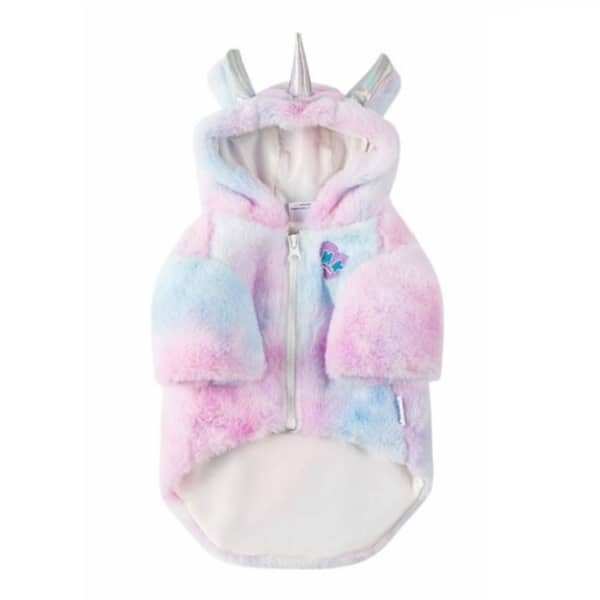
Rain may seem harmless, especially during a short walk, but repeated exposure to moisture can create conditions that affect both the skin and the coat. While healthy dogs can usually tolerate occasional rain, prolonged dampness creates an environment where bacteria, yeast, and skin irritation can thrive. The effects become even more noticeable in dogs with thick coats because moisture can remain trapped close to the skin long after the surface appears dry. Using a waterproof raincoat from Supreme Dog Garage is one of the most effective ways to maintain stable skin chemistry and avoid these secondary infections.
How Rain Creates Prolonged Moisture Exposure
After a rainy walk, many dogs appear dry on the outside within a short period. However, the deeper layers of the coat often retain moisture much longer than expected. This trapped moisture prevents proper airflow around the skin and creates a warm environment where microorganisms can multiply. Areas commonly affected include:
- Under the collar
- Behind the ears
- Under the legs
- Around the chest
- Between the toes
- Dense undercoats
The longer moisture remains against the skin, the greater the chance of irritation and infection.
Moisture-Induced Skin Barrier Damage
Constant exposure to moisture can weaken the skin’s protective barrier over time. Similar to how human skin becomes sensitive after staying wet for too long, a dog’s skin may become softened and vulnerable. As the barrier weakens, small irritants that would normally cause no issues can trigger itching, inflammation, and discomfort. Dogs often respond by licking, scratching, or chewing affected areas, which can worsen the damage. This cycle is one of the primary reasons weather-related skin conditions become more serious if left untreated.
Changes to the Skin Microbiome in Damp Conditions
Every dog’s skin contains a natural community of beneficial bacteria and microorganisms known as the skin microbiome. These organisms help maintain skin health and prevent harmful microbes from taking over. Excessive moisture can disrupt this balance. When beneficial organisms decrease, harmful bacteria and yeast may grow more aggressively.
An imbalanced microbiome is often linked to:
- Increased itching
- Skin odor
- Redness
- Inflammation
- Secondary infections
This is why drying your dog thoroughly after exposure to rain is one of the most effective preventive measures available.
Why Wet Fur Traps Bacteria and Irritants
Rainwater itself is not always the problem. During walks, fur can collect mud, pollen, environmental debris, road contaminants, and bacteria from various surfaces. When these particles remain trapped in damp fur, they stay in prolonged contact with the skin. This increases irritation and creates favorable conditions for bacterial growth.
Dogs that frequently spend time outdoors during rainy weather often benefit from a consistent post-walk cleaning and drying routine. Even simple habits such as drying the coat thoroughly and cleaning the paws can significantly reduce the likelihood of skin problems developing.
Common Rain-Related Skin Problems
When rain exposure becomes frequent or drying is not done properly, a few specific skin conditions tend to appear in dogs. These are not random issues; they develop from a mix of trapped moisture, reduced airflow, and bacterial growth on the skin surface.
Hot Spots (Acute Moist Dermatitis)
Hot spots are one of the most common rain-related skin problems I see in dogs. These are red, moist, inflamed areas that appear suddenly and can spread quickly if not managed. They usually start when a dog scratches or licks a damp area of skin. The constant moisture and irritation allow bacteria to multiply, creating a painful infection. Hot spots often appear on the neck, hips, and behind the ears, especially in dogs with dense coats.
Dogs with hot spots may show:
- Constant licking or biting at one area
- Hair loss in patches
- Wet, smelly skin patches
- Restlessness due to discomfort
Rain Rot and Bacterial Skin Infections
Rain rot is a bacterial infection that develops when fur remains damp for long periods. It is more common in dogs that spend extended time outdoors or are not dried properly after rain exposure. The infection creates scabby or crusty patches on the skin. If ignored, it can spread to larger areas and cause discomfort and hair loss. While it sounds severe, early-stage rain rot responds well to proper cleaning, drying, and veterinary-approved treatment.
Fungal Overgrowth in Damp Conditions
Yeast and fungal organisms naturally exist on a dog’s skin, but moisture imbalance allows them to grow excessively. This is especially common in warm, damp environments where fur stays wet for long periods. Signs often include:
- Musty or sour odor
- Greasy coat texture
- Persistent itching
- Redness in skin folds
- Persistent Wet Dog Odor
The “wet dog smell” is not just a scent issue. It is caused by microorganisms that become active when water interacts with oils and bacteria on the coat. As the coat dries slowly, these compounds are released into the air. While it may seem harmless, a strong odor that persists after drying can sometimes indicate early bacterial imbalance on the skin.
How Snow and Cold Weather Change Skin and Coat Health
Snow and cold temperatures affect dogs differently than rain. Instead of excess moisture alone, winter introduces dryness, low humidity, and temperature stress that gradually weaken the skin barrier.
Low Humidity and Skin Dehydration
Cold air naturally holds less moisture. When dogs spend time outside in winter, their skin begins to lose water faster than it can be replaced. This leads to dryness, flaking, and irritation. Short walks in cold weather are usually not harmful, but repeated exposure without proper skin care can lead to long-term dryness issues.
The Drying Effects of Indoor Heating
Indoor heating systems make winter skin problems worse. Heated air removes moisture from both the environment and the skin surface. High-quality water-resistant jackets and snowsuits from Supreme Dog Garage act as a primary shield, keeping the undercoat dry and preventing the formation of ice balls. Dogs resting near heaters or vents often develop dry patches more quickly. This combination of cold outdoor air and dry indoor air creates constant moisture imbalance.
Loss of Natural Oils and Skin Protection
Just like in rain exposure, winter conditions also disrupt natural oil production. When sebum levels drop, the coat loses its protective layer, making it easier for dryness and irritation to develop.
Dogs may begin to show:
- Flaky skin
- Dull coat appearance
- Increased shedding
- Mild itching
Coat Damage Caused by Snow Exposure
Snow may look soft, but it can create physical stress on a dog’s coat. As snow melts on contact, it turns into water that becomes trapped in fur. When it freezes again, it forms ice clumps.
Common Snow-Related Coat Issues
- Matting in long fur
- Ice balls between toes and legs
- Pulling on skin due to frozen clumps
- Reduced insulation from compressed coat layers
When the coat loses its structure, it cannot trap warm air effectively, which increases the chance of discomfort in freezing temperatures.
Why Paws Face the Greatest Risk During Rain and Snow
If I had to point out the most vulnerable area in seasonal weather, it would always be the paws. They are in direct contact with wet ground, ice, salt, and chemicals, which makes them highly exposed.
Waterlogged Paw Pads and Soft Tissue Damage
When paws stay wet for long periods, the skin on the pads becomes soft and fragile. This makes them more prone to small cuts and irritation. Repeated exposure to wet surfaces can also reduce the natural protective layer on paw pads, leading to sensitivity over time.
Snow and Ice Injuries Between the Toes
Snow often gets trapped between toes, where it melts and refreezes into small ice clumps. These clumps can pull on fur and skin, causing discomfort with every step. Dogs may start limping or frequently stop during walks due to irritation.
Salt and De-Icing Chemical Exposure
Many sidewalks and roads are treated with salt or chemical de-icers during winter. These substances can cause:
- Skin irritation
- Burning sensation on paw pads
- Cracks and dryness
- Toxic exposure if licked
This is one of the most overlooked winter hazards for dogs in urban areas.
Toxic Exposure From Paw Licking
Dogs naturally lick their paws after walking, especially if something feels uncomfortable. If their paws are contaminated with salt or chemicals, ingestion can lead to stomach irritation or mild toxicity. This is why post-walk cleaning is not optional in winter conditions.


Dogs Most Likely to Develop Weather-Related Skin Problems
Some dogs handle seasonal changes well, while others need more care and attention. Based on experience, these groups tend to be more sensitive to rain and snow exposure.
Puppies and Senior Dogs
Puppies have developing immune systems, while older dogs often have weaker skin barriers. Both groups struggle more with temperature changes and moisture imbalance.
Dogs With Allergies or Sensitive Skin
Dogs already dealing with allergies are more likely to react to environmental changes such as rain, pollen, and winter dryness.
Short-Haired and Small Breeds
These dogs have less natural insulation, making them more affected by cold weather and rapid temperature shifts.
Dogs With Existing Skin Conditions
Any dog with dermatitis, fungal infections, or chronic itching will likely see symptoms worsen during wet or cold seasons if preventive care is not followed.
A Complete Weather Protection Routine for Dogs
After working with many dogs through different seasons, I’ve seen one clear pattern: most skin and coat problems are preventable with a simple, consistent routine. Rain and snow exposure do not always cause damage on their own; the real issue usually comes from moisture staying on the skin too long, or paws being exposed to harsh winter elements without protection.
Drying Your Dog Properly After Rain or Snow
Drying is the most important step after any outdoor exposure. Many owners assume a quick towel rub is enough, but moisture often remains deep inside the coat, especially in double-coated breeds.
I focus on three layers of drying:
Undercoat Drying Techniques
The undercoat holds most of the trapped moisture. Using an absorbent towel or a pet-safe dryer on low heat helps remove dampness from deeper layers.
Pay special attention to:
- Chest area
- Belly
- Behind ears
- Armpits
- Tail base
If these areas stay wet, irritation usually starts there first.
Preventing Moisture Trapping
After drying, I always make sure the coat is fully fluffed and separated. This helps air circulate and prevents damp patches from staying hidden inside thick fur.
Post-Walk Cleanup Essentials
What happens after the walk is just as important as protection before it.
Paw Cleaning Routine
I always clean paws immediately after returning home. This removes salt, chemicals, mud, and bacteria before they can irritate the skin.
A simple routine works best:
- Rinse paws with lukewarm water
- Wipe gently with a soft towel
- Check between toes for debris or ice
- Removing Salt and Chemical Residue
Salt and de-icers are not just irritating; they can also be harmful if licked. Cleaning prevents ingestion and reduces long-term paw damage.
Drying Fur and Skin Thoroughly
Even if the dog looks dry, I make sure to check under the legs, chest, and belly again. These areas often stay damp longer than expected.
Nutrition That Supports Healthy Skin and Fur Year-Round
Skin health starts from the inside. No grooming routine is complete without proper nutrition support, especially during seasonal changes.
Why Hydration Matters During Winter
Dogs often drink less water in cold weather. This leads to mild dehydration, which directly affects skin moisture levels.
To support hydration, I make sure:
- Fresh water is always available
- Water is slightly warmed in winter
- Ice-cold water is avoided if the dog resists it
- Omega-3 Fatty Acids for Skin Health
- Omega-3s play a major role in reducing inflammation and
improving coat quality. They help maintain skin elasticity and reduce dryness caused by weather changes.
Sources include:
- Fish oil supplements
- Salmon-based diets
- Flaxseed oil (in controlled amounts)
- Essential Nutrients for Coat Support
A balanced diet supports stronger skin and better fur condition. Key nutrients include:
Nutrient | Role in Skin Health |
Protein | Supports hair growth and repair |
Zinc | Helps heal skin damage |
Vitamin E | Protects skin cells |
Biotin | Improves coat strength |
Final Thoughts: Keeping Your Dog Comfortable in Every Season
Rain and snow affect dogs in more ways than most people realize. The biggest issues usually come from moisture trapped in the coat, skin barrier weakening, and paw exposure to harsh surfaces. From my experience, prevention is always easier than treatment. A simple routine of drying, paw care, grooming, and proper nutrition keeps most seasonal skin problems away. For dog owners in the United States, where weather changes can be sudden and extreme, this kind of care makes a real difference in comfort and long-term skin health. If your dog enjoys outdoor walks in all seasons, small habits like proper drying and paw protection can go a long way in keeping them healthy, active, and comfortable year-round.

Top Dog Walking Products for Every Adventure
Make every walk an experience with premium dog walking gear from Supreme Dog Garage. Whether you’re exploring the neighborhood or hitting the trails, our curated selection of leashes, harnesses, collars, and accessories combines style, comfort, and durability, perfect for every pup and their person.
