

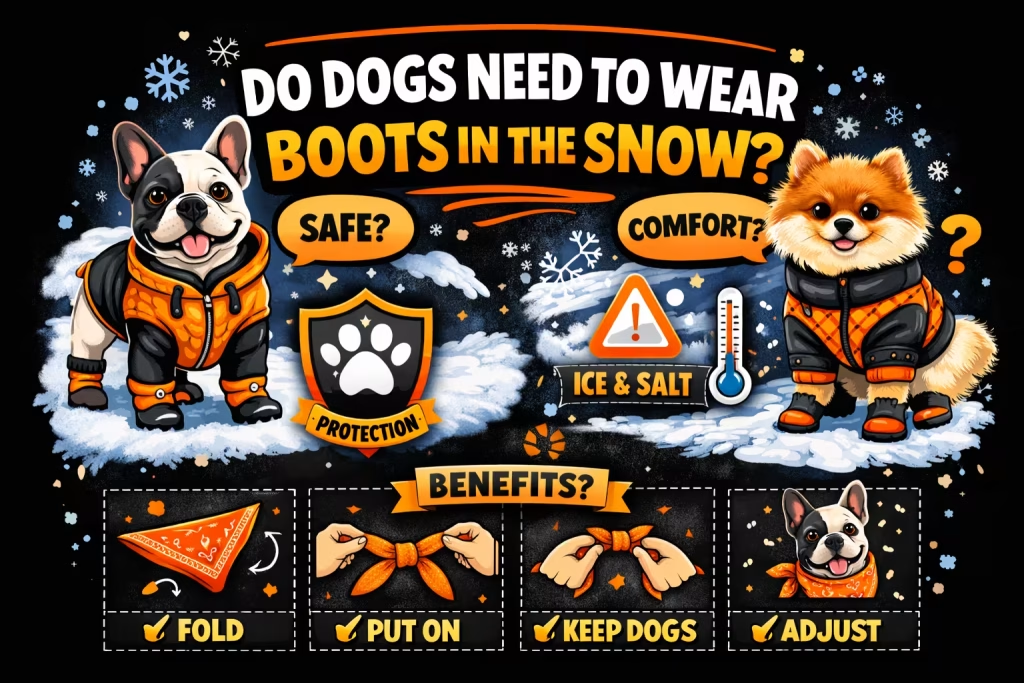
Do Dogs Need to Wear Boots in the Snow
Winter walks often bring a sense of joy, but many owners stop and wonder if their pet’s paws are truly safe on the frozen ground. You might see your dog lifting a paw or shivering, and the question of whether dogs need to wear boots in the snow becomes a top priority. While nature gave dogs tough pads, the modern American winter is filled with chemicals and sharp ice that nature never intended for them. We help you solve the problem of paw pain and seasonal injuries by explaining when, why, and how to use protective footwear.
The Science of Staying Warm: How Dog Paws Handle Cold
To understand if dogs need to wear boots in the winter, we first have to look at how their bodies are built. Dogs have a unique circulatory system in their legs that acts as a heat exchanger. Warm blood flowing down to the paws transfers its heat to the cold blood returning to the heart. This prevents the dog’s core temperature from dropping too fast when they touch the snow.
However, this system has a breaking point. Domesticated dogs spend most of their time on warm carpets or hardwood floors, which means their pads are much softer than those of wild wolves. Without the regular friction of rough terrain, their skin becomes thin and more likely to crack when it hits the sub-zero temperatures found in many Northern U.S. states.
Understanding the Risks: Why Dogs’ Paws Are Vulnerable in the Snow and Cold Weather
The Hidden Danger: Chemical Burns and Toxicity
One of the most important reasons why dogs need to wear shoes in the snow is not the cold itself, but the chemicals used to melt ice. Most suburban streets and city sidewalks are covered in rock salt or calcium chloride. These salts are highly abrasive and pull moisture directly out of the paw pads, causing deep, painful cracks.
Even worse, these chemicals can cause salt burns that sting and irritate the skin between a dog’s toes. Beyond the physical pain, there is a major safety risk: dogs often lick their paws after a walk. If they ingest road salt or leaked antifreeze, which is common in winter and tastes sweet to pets, it can lead to severe internal poisoning or kidney failure.
Ice Balls and Physical Injuries in Deep Snow
If you have a breed with long hair between their toes, such as a Golden Retriever or a Doodle, you have likely seen ice balls form during a walk. This happens when snow melts from the dog’s body heat and then quickly refreezes into hard, jagged clumps of ice trapped in their fur. These ice balls act like sharp rocks, stretching the skin and causing tears or bleeding as the dog walks. Additionally, snow often hides dangerous items like broken glass, metal scraps, or jagged ice crusts. Using rugged boots from Supreme Dog Garage provides a puncture-resistant sole that acts as armor, keeping your dog’s paws dry and safe from hidden debris under the snowbank.
Temperature Thresholds: When is it Too Cold?
Knowing exactly when dogs need to wear boots depends on the temperature and the breed. Most veterinarians agree that once the temperature drops below $20°F$ ($-7°C$), the risk of frostbite increases significantly for breeds that aren’t built for the Arctic. While a Husky might be fine for a short period, a Boxer or a Yorkie will feel the sting almost immediately.
It is also important to consider the humidity; wet snow and slush pull heat away from the body much faster than dry, powdery snow. If you notice your dog lifting their paws, whining, or trying to hop on three legs, it is a clear sign that the ground is too cold and they need the insulation that only a high-quality winter boot can provide.
Winter Hazard | Impact on Bare Paws | Benefit of Boots |
Rock Salt / De-Icers | Chemical burns and extreme dryness | Creates a sealed chemical barrier |
Ice Balls | Tearing of toe webbing and skin | Keeps fur dry and snow-free |
Antifreeze | Toxic if licked or ingested | Prevents paws from touching chemicals |
Sharp Ice Crusts | Lacerations and deep cuts | Puncture-resistant rubber soles |


Finding the Right Boots: What to Look for in Dog Snow Boots
Choosing the right pair of snow boots for your dog is essential to ensure they are both comfortable and protected. Here’s what to look for when selecting boots for your dog:
- Waterproof Features: Make sure the boots are waterproof to keep your dog’s paws dry. Wet paws can lead to freezing, discomfort, and even infection. Boots with waterproof materials like nylon or rubber are ideal.
- Insulation: For colder temperatures, choose boots with some level of insulation. This will help keep your dog’s paws warm even in extreme cold, preventing frostbite and hypothermia.
- Non-Slip Soles: Snow and ice make surfaces slippery, so non-slip soles are essential. Look for boots with grip or traction on the bottom to help your dog maintain stability during walks. This is especially important for dogs with joint issues or senior dogs.
Proper Fit:
Just as humans need shoes that fit well, dogs need boots that fit comfortably. Make sure you measure your dog’s paws accurately to select the correct size. A boot that is too tight will cause discomfort, while one that’s too loose will fall off. Adjustable straps or Velcro closures are ideal for ensuring a snug, secure fit.
Comfort and Fit: Ensuring Your Dog’s Boots Are Secure
For boots to be effective, they need to fit properly and stay on during walks. A well-fitting boot will not only provide warmth but also prevent rubbing and irritation. Look for adjustable straps or Velcro closures to make sure the boots stay securely on your dog’s paws.
Dogs have varying paw sizes, so it’s important to choose boots specifically designed for your dog’s breed and size. Booties with soft inner linings will ensure comfort, and flexible materials will allow for better movement. Make sure to try the boots on your dog before you go for a long walk to check if they stay on and fit comfortably.
The Paw Wax Alternative: When to Use Balms
Sometimes, despite your best efforts, a dog may flat-out refuse to wear footwear. In these cases, paw wax or protective balms are the next best thing. Paw wax is a thick, food-grade ointment that you rub directly onto the pads before heading outside. It creates a breathable, water-repellent layer that helps shield the skin from salt and prevents snow from sticking to the fur. While wax does not provide insulation against the cold like a boot does, it is highly effective at preventing chemical burns and ice balls. It is an excellent choice for short walks or for dogs that have a very high step-kick reflex when wearing shoes.
The Measurement Guide: Getting the Perfect Fit
A common reason why dogs lose their shoes in the snow is an incorrect fit. To measure your dog’s paw correctly, place their foot on a piece of paper and lift the opposite paw so their full weight is pressed down on the paper. Trace the outline of the paw, including the nails. Measure the widest part of the paw to find the width and the distance from the back pad to the tip of the nails for the length. Most American sizing charts rely on the width measurement. If your dog is between sizes, it is usually better to go with the smaller size to ensure the boot stays snug and doesn’t rotate while they run.
Waterproof vs. Water-Resistant: Why the Distinction Matters
When shopping for winter gear, it is vital to understand the difference between water-resistant and waterproof materials. Water-resistant boots are fine for quick trips in dry, powdery snow. However, if you are walking through slush or melting puddles, water-resistant fabric will eventually soak through. Once the inside of a boot is wet, it traps moisture against the skin in freezing temperatures, which can actually increase the risk of frostbite. For the best protection in states with heavy snowfall or slushy winters, always opt for a fully waterproof boot with a sealed bottom to keep the paw completely dry.
Visibility and Reflective Features for Winter Safety
In the United States, winter days are short, and many owners find themselves walking their dogs in the dark. Safety in the snow involves more than just temperature; it also involves being seen. Many high-quality dog boots are equipped with reflective strips or bright neon colors. This is a crucial feature for city dwellers who walk near traffic or for hikers who take their dogs into the woods. These reflective elements ensure that drivers and other pedestrians can see your dog’s movement from a distance, adding an extra layer of security to your winter exercise routine.
Gear Type | Best Use Case | Protection Level |
Rugged Rubber-Soled Boots | Icy sidewalks and deep snow | High (Insulation + Grip) |
Disposable Balloon Boots | Salted city streets / Light rain | Medium (Chemical barrier only) |
Paw Wax/Balm | Dogs who hate boots / Short walks | Low (Chemical barrier / No insulation) |
Fleece-Lined Booties | Dry, cold pavement | Medium (Warmth / Low moisture protection) |
How to Maintain Dog Boots: Care and Longevity
Cleaning and Storing Winter Boots
Dog boots, especially those exposed to snow, ice, and salt, need regular cleaning to ensure they stay in good condition. Here’s how to keep your dog’s boots clean and ready for use:
- Clean After Every Use:
- After each walk in the snow, wipe off any snow, ice, or dirt from the boots using a damp cloth. Make sure to clean out any salt or chemical residue that might have accumulated on the boots to prevent irritation.
- For boots that can be machine washed, ensure they are washed in cold water to maintain their shape and durability.
- After each walk in the snow, wipe off any snow, ice, or dirt from the boots using a damp cloth. Make sure to clean out any salt or chemical residue that might have accumulated on the boots to prevent irritation.
- Dry Boots Thoroughly:
- Always allow the boots to dry completely before storing them. Wet boots can develop a musty smell or lose their effectiveness. Hang them up in a warm, dry place to air out, but avoid direct sunlight or heat sources that can damage the material.
- Always allow the boots to dry completely before storing them. Wet boots can develop a musty smell or lose their effectiveness. Hang them up in a warm, dry place to air out, but avoid direct sunlight or heat sources that can damage the material.
- Store in a Cool, Dry Place:
- When not in use, store the boots in a cool, dry area. Avoid keeping them in damp places, as this can cause the material to break down over time.
- If you have multiple pairs of boots, store them in a bag or box to keep them organized and free from dust or debris.
- When not in use, store the boots in a cool, dry area. Avoid keeping them in damp places, as this can cause the material to break down over time.
Regular Checks for Wear and Tear
Over time, boots will experience wear and tear, especially with frequent use in harsh conditions like snow, salt, and rough terrain. Here’s what to look out for:
- Worn-out Soles: If the soles of the boots are worn down, your dog may lose traction, and the boots will no longer provide effective protection.
- Torn Fabric: Inspect the fabric regularly for tears, especially around the seams. If the fabric is compromised, the boots may not fit as securely or offer the same level of protection.
- Loose Straps or Velcro: Ensure that the straps and Velcro fastenings are still in good working condition. If they start to come loose, it might be time to replace the boots.
When to Replace Dog Boots
Dog boots should be replaced when they no longer provide adequate protection. If the soles are worn thin, if the material is torn or damaged, or if the boots no longer stay securely on your dog’s paws, it’s time to invest in a new pair. Keeping your dog’s boots in top condition will ensure that their paws remain safe and protected during winter walks.
-
Pawcci Designer Dog Harness And Leash Set
$59.50Original price was: $59.50.$39.00Current price is: $39.00.Rated 5.00 out of 5 -
Furdi FF Monogram Designer Dog Harness And Leash
$26.00 – $57.50Price range: $26.00 through $57.50Rated 5.00 out of 5 -
Furry Berry Plaid Bow Tie Dog Collar And Leash
$20.00 – $35.00Price range: $20.00 through $35.00 -
Louis Pawtton Hero Brown Checkered Designer Leather Dog Harness and Leash Set
$35.00 – $94.50Price range: $35.00 through $94.50


Final Thoughts: Do Dogs Really Need Boots in the Snow?
The short answer is: yes, many dogs do need boots in the snow to protect their paws from the cold, chemicals, and other potential hazards like ice and rough surfaces. While some breeds are better suited to cold weather, most dogs will benefit from the extra protection that boots provide.
Boots help prevent frostbite, protect against salt burns, and reduce the risk of injuries caused by slippery surfaces. They also make it easier for you to take your dog for walks in the snow without worrying about their paws becoming uncomfortable or damaged.
When choosing boots, make sure they fit well, are comfortable for your dog, and are appropriate for the weather conditions. Training your dog to wear boots may take some time, but with patience and positive reinforcement, they can get used to wearing them.
If you’re looking for high-quality boots that will keep your dog’s paws safe and comfortable in the snow, visit Supreme Dog Garage today. We offer a wide range of dog snow boots in various sizes and styles, perfect for protecting your furry friend during winter walks.
Frequently Asked Questions
Do dogs really need boots in the snow?
Yes, dogs need boots to protect their paws from frostbite, chemicals, and ice. Boots help prevent injuries and ensure their paws stay warm and dry.
How do I know if my dog needs boots?
If your dog limps, seems uncomfortable, or avoids walking in the snow, they may benefit from wearing boots. Dogs with sensitive paws, small dogs, or dogs with little natural protection against cold weather are prime candidates for boots.
Can my dog walk in the snow without boots?
Some dogs with thick fur or larger breeds may manage without boots for short walks, but prolonged exposure to snow, ice, and chemicals can cause paw damage.
How do I train my dog to wear boots?
Introduce boots gradually, starting with short sessions and using positive reinforcement like treats and praise. Be patient, as some dogs take time to adjust to wearing boots.
How can I clean and maintain my dog’s boots?
Clean boots after each walk by wiping off snow, ice, and salt. Dry them thoroughly before storing, and check regularly for wear and tear. Replace boots if they become damaged or worn out.

Top Dog Walking Products for Every Adventure
Make every walk an experience with premium dog walking gear from Supreme Dog Garage. Whether you’re exploring the neighborhood or hitting the trails, our curated selection of leashes, harnesses, collars, and accessories combines style, comfort, and durability, perfect for every pup and their person.
