

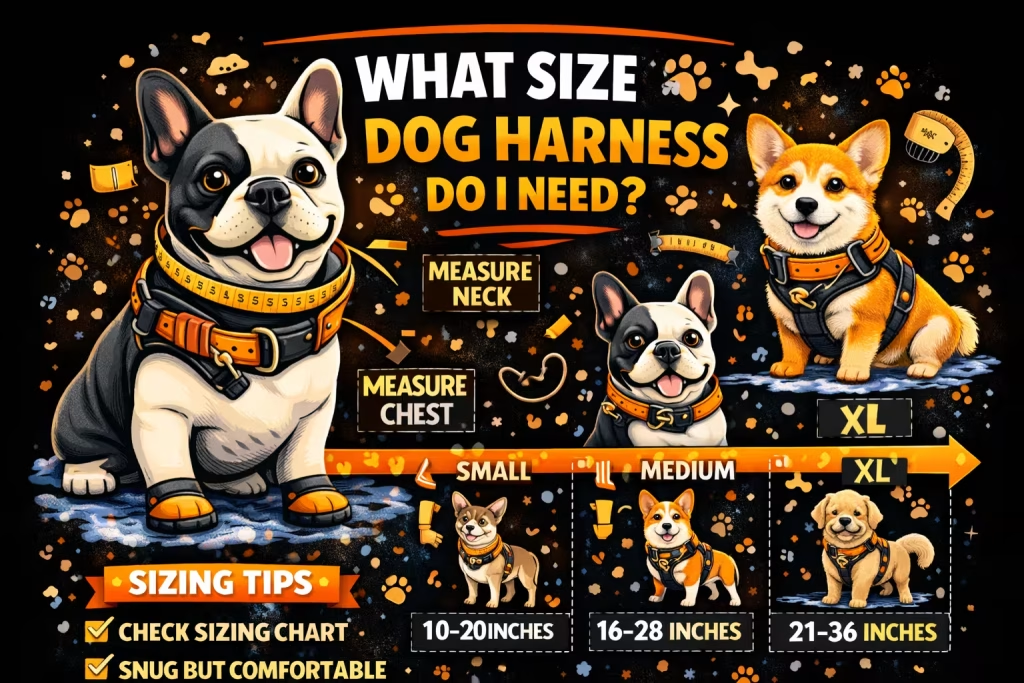
A Guide to Selecting the Perfect Dog Harness Size
Choosing the right harness for your dog is more than a fashion choice; it is a safety decision that directly impacts your pet’s comfort, mobility, and well-being. Many pet parents assume that selecting a harness is as simple as picking a size from the box, but incorrect sizing can lead to chafed skin, restricted shoulder movement, and even allow adventurous dogs to slip free during walks. Ensuring that your dog’s harness fits properly is a crucial step in keeping them safe while maintaining their comfort during every walk, jog, or outdoor adventure.
Understanding Dog Harness Sizing
The key to the perfect fit lies in three essential measurements: chest girth, neck circumference, and topline/length. The chest girth determines the main body fit, the neck circumference ensures the harness sits comfortably without choking, and the topline measurement is critical for full-body or vest-style harnesses to prevent strain. Using the Two-Finger Rule, you can check that straps are snug but not tight, allowing room for breathing and movement while avoiding looseness that could result in escape.
At Supreme Dog Garage, we combine safety with style. Our designer-inspired harnesses not only elevate your dog’s aesthetic but also provide precise ergonomics for long walks, outdoor adventures, and daily wear. A properly measured harness prevents unnecessary discomfort and allows your dog to move naturally while showcasing your taste for high-quality pet gear.
The Anatomy of a Perfect Fit: Key Measurement Points
To find a harness that truly fits, you need to look at three specific areas of your dog’s body. The chest girth is the most important number, but the neck and the topline length also play huge roles in how the gear sits during a fast-paced walk. If a harness is too short in the body, it will pull on the sensitive skin behind the front legs. While a harness is superior for leash control, many owners wonder about the pros and cons of different attachments to choose the best option dog harness vs. collar, for their dog’s breed.
If the neck is too loose, the harness will shift side-to-side, causing friction sores. When you measure, always use a soft cloth measuring tape and keep your dog standing squarely on all four paws. This ensures the muscles are engaged, and the rib cage is at its widest, giving you the most realistic numbers for a comfortable fit.
1. Chest Girth (The Most Important Metric)
The chest girth is the measurement that determines most of your dog’s harness size. To find this, place your measuring tape at the widest part of your dog’s rib cage, which is usually about two inches behind the front legs. You want to wrap the tape all the way around the body, ensuring it stays level and doesn’t sag. This area is where the main girth strap of the harness will sit. Because this part of the harness bears most of the tension when a dog pulls, getting an accurate number here prevents the harness from being too tight to breathe or so loose that it slides around and causes hair loss.
2. Neck Circumference
While harnesses are meant to take pressure off the throat, the neck measurement is still vital for over-the-head styles. You should measure the lower part of the neck, closer to the shoulders, rather than the high point where a collar usually sits. This is because the front V or Y shape of a harness rests lower on the chest bone. If this opening is too small, it will put pressure on the windpipe; if it is too large, the harness will hang too low and interfere with the front legs. A well-fitted neck opening should sit comfortably on the shoulder blades and the breastbone.
3. Topline and Body Length
For full-body vests or designer hypebeast coats with integrated harnesses, you need to know the length of your dog’s back. Measure from the base of the neck, where the neck meets the shoulders, down to the start of the tail. This measurement ensures that the harness doesn’t end too early or extend too far back, which can interfere with your dog’s ability to go to the bathroom.
The Weight vs. Girth Debate
A common mistake among pet owners in the United States is relying solely on a dog’s weight to choose a size. While weight can give you a general starting point, it is often misleading. For example, a 25-pound French Bulldog has a much wider chest than a 25-pound Whippet. If you bought a Medium based only on weight, it might be too tight for the Bulldog and way too big for the Whippet. Always prioritize the chest girth measurement over the weight range listed on a size chart. The girth tells you about the actual shape of the dog, which is what makes a harness safe and escape-proof.


Comprehensive Dog Harness Size Chart (By Girth & Common Breeds)
To make your shopping easier, we have put together a general guide that connects girth measurements with common breed types. Keep in mind that even within a breed, individual dogs vary, so always use your own measurements as the final word.
Size | Chest Girth (Inches) | Weight Range (lbs) | Representative Breeds |
XXS | 8 – 12 | 2 – 5 lbs | Teacup Yorkie, Chihuahua |
XS | 11 – 16 | 5 – 10 lbs | Maltese, Pomeranian, Toy Poodle |
S | 15 – 21 | 10 – 20 lbs | Pug, Cavalier, Jack Russell |
M | 19 – 26 | 20 – 45 lbs | Frenchie, Beagle, Boston Terrier |
L | 24 – 32 | 45 – 70 lbs | Bulldog, Golden Retriever, Lab |
XL | 30 – 40 | 70 – 95 lbs | Boxer, German Shepherd, Rottweiler |
XXL | 36 – 50 | 95+ lbs | Great Dane, Mastiff, Saint Bernard |
Matching the Harness Type to Your Measurement Style
Selecting the right harness type is just as important as getting the measurements correct. Different harness styles fit dogs differently, and understanding how your dog’s body shape interacts with each type ensures maximum comfort, mobility, and safety.
Step-In Harnesses and Easy-Fit Wraps
Step-in harnesses are often the simplest to size because they wrap around the torso and clip at the back. These are perfect for small to medium breeds that don’t have a lot of extra fur or skin. When sizing these, you want to focus almost entirely on the area behind the front legs. If the harness is too large in this area, the dog can simply lift their front legs and step out of the gear while you are walking. For the best result, choose a step-in style that has at least two points of adjustment so you can tighten the chest area independently of the shoulder straps.
Over-the-Head Vests and Padded Mesh
Over-the-head harnesses offer more security and coverage, making them the preferred choice for larger or more active dogs. These styles usually feature a large chest plate that helps distribute the force of a pull across the breastbone rather than the neck. When measuring for a vest, you have to account for the thickness of the padding. A thick, luxury mesh harness takes up more space than a thin nylon strap, so if your dog is at the very top of a size range, you should definitely move up to the next size. This ensures the vest doesn’t feel like a compression suit, allowing your dog to breathe deeply during exercise.
Dual-Clip and No-Pull Control Harnesses
For dogs that are still learning leash manners, a no-pull harness is a vital tool. These usually have an attachment point on the chest. Sizing these is tricky because the front strap must sit firmly against the chest without drooping. If the front strap hangs too low, it will hit the dog’s legs as they walk, causing them to trip or change their gait. You want a snug fit across the front that stays in place even when the dog turns their head. Proper sizing here ensures the steering mechanism of the front clip works effectively to redirect the dog back toward you.
The Professional Two-Finger Stress Test
Once measurements are taken and the harness selected, performing a fit check is critical. The two-finger test is a simple way to ensure your dog’s harness is snug without being restrictive.
Checking the Straps: Slide two fingers between the harness straps and your dog’s body. You should feel a snug fit without any digging into the armpits or chest. Straps that are too tight can lead to sores or discomfort, while loose straps increase the risk of your dog slipping out.
The Gap Check: Inspect the harness at the chest plate and along the torso for any gaps. Even small spaces can allow small or agile dogs to back out of the harness during walks. Adjust buckles or straps as needed to minimize these gaps.
Range of Motion: Observe your dog walking and running with the harness on. The front legs should move freely, and the harness should not impede the stride. If the harness blocks leg movement, it may need to be adjusted or replaced with a larger size.
Our Luxury Dog Harness Collection is a perfect harness that matches your dog’s measurements, style, and active lifestyle. A proper fit today prevents discomfort and ensures every walk is safe and enjoyable.
-
Louis Pawtton Hero Brown Checkered Designer Leather Dog Harness and Leash Set
$35.00 – $94.50Price range: $35.00 through $94.50 -
Pawcci Designer Dog Harness And Leash Set
$59.50Original price was: $59.50.$39.00Current price is: $39.00.Rated 5.00 out of 5 -
Furry Berry Plaid Bow Tie Dog Collar And Leash
$20.00 – $35.00Price range: $20.00 through $35.00 -
Furdi FF Monogram Designer Dog Harness And Leash
$26.00 – $57.50Price range: $26.00 through $57.50Rated 5.00 out of 5


Troubleshooting: What to Do If Your Dog is Between Sizes
Even with precise measurements, some dogs fall between standard harness sizes. Knowing how to handle this ensures both comfort and security.
The Size Up Rule: When a dog is between sizes, it’s usually safer to size up rather than down. A slightly larger harness can be adjusted with straps to achieve a snug fit, while a too-small harness can restrict movement, cause chafing, or stress the seams.
Adjustability Limits: Every harness has a range of adjustability. Check the minimum and maximum strap lengths to confirm the harness can be properly tightened or loosened. If the measurements are at either extreme, it may be better to choose a different harness style that accommodates your dog’s unique shape.
Modification Warnings: Never attempt to DIY modify a harness by cutting straps or sewing adjustments. Doing so can weaken the harness structure, increase the risk of breakage, and void any safety guarantees. Always use harnesses as designed by the manufacturer.
Frequently Asked Questions
Can a harness be too heavy for a small dog?
Yes. Small dogs require lightweight harnesses to prevent fatigue or stress on the shoulders and spine. Opt for padded or soft nylon designs rather than metal-heavy options.
How tight should a dog harness be?
Use the two-finger rule: there should be just enough room to comfortably fit two fingers between the harness and your dog’s body. This ensures security without restricting movement.
What if my dog’s neck is a Medium but their chest is a Large?
Always prioritize chest girth over neck size. The harness must not restrict the rib cage or shoulder movement. Adjustable straps can help balance the fit.
Does fur thickness affect harness sizing?
Yes. Dogs with thick or long coats may need slightly larger sizes to accommodate the extra bulk without compressing the fur, which can lead to matting or discomfort.
How often should I re-measure my dog for their harness?
Puppies should be measured every 4–6 weeks due to rapid growth. Adult dogs should be measured at least twice a year or whenever significant weight changes occur.
Final Verdict: Safety, Style, and the Perfect Walk
Selecting the correct harness size is critical for both your dog’s safety and comfort. Accurate measurements, proper adjustment, and the right harness style ensure your dog can move freely while staying secure during walks, training, or outdoor adventures.
At Supreme Dog Garage, we combine high-fashion designs with functional ergonomics, so your dog can look stylish while enjoying optimal support. Don’t guess your dog’s size, measure for success, and check the Two-Finger Fit every time you put the harness on.

Top Dog Walking Products for Every Adventure
Make every walk an experience with premium dog walking gear from Supreme Dog Garage. Whether you’re exploring the neighborhood or hitting the trails, our curated selection of leashes, harnesses, collars, and accessories combines style, comfort, and durability, perfect for every pup and their person.
