

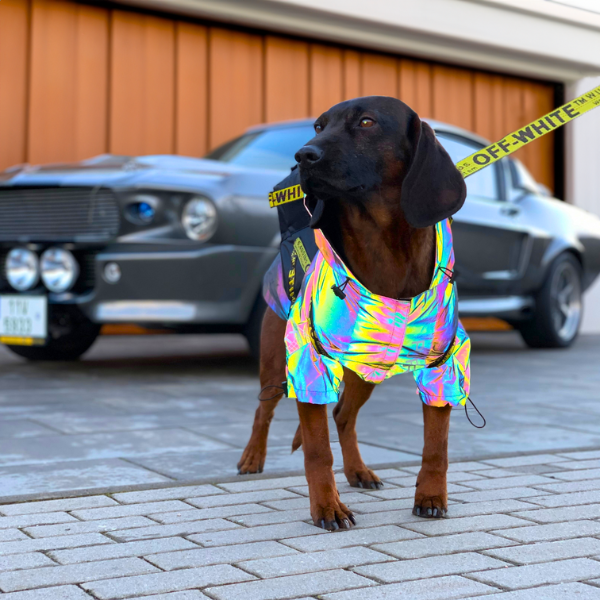
How to Train Your Dog to Walk on a Leash?
Walking your dog should be one of the most enjoyable parts of your day, yet many dog owners struggle with pulling, lunging, or constant barking on walks. These behaviors not only make the walk stressful but can also put both you and your dog at risk. Learning how to train your dog to walk on a leash can transform this daily routine into a pleasant bonding experience. With the right approach, consistency, and quality walking gear, your dog can become calm, responsive, and happy during every walk.
Why Leash Training Matters
Leash training is essential for every dog, no matter their size or age. First and foremost, it provides safety and control. Dogs that pull or lunge can easily escape into traffic, encounter aggressive animals, or endanger themselves and others. Proper leash training ensures that your dog can walk calmly beside you, giving you peace of mind.
Beyond safety, leash training strengthens the communication between you and your dog. It teaches your dog to focus on you, respond to cues, and respect boundaries. This creates a more confident and obedient dog, making everyday activities like trips to the park, the vet, or even quick errands less stressful.
Leash training also helps prevent undesirable behaviors such as constant pulling, jumping on strangers, or barking at passersby. By teaching your dog how to walk politely on a leash, you are setting them up for long-term success in public spaces. Lastly, leash-trained dogs enjoy walks more, as they can explore safely without causing chaos. Using proper walking gear, such as harnesses, leashes, and collars from our walking gear collections, supports this training and makes walks safer and more comfortable for both of you.
Understanding the Gear: Choosing the Right Walking Equipment
Choosing the right walking gear is a key part of leash training. Different tools can make training easier and safer for both you and your dog. Two of the most common options are collars and harnesses. A collar works well for dogs that already have basic control and are less likely to pull, while a harness is ideal for dogs that are strong, prone to pulling, or have respiratory issues. Harnesses distribute pressure across the dog’s chest instead of the neck, making walks safer and more comfortable.
Leash types and lengths also play a role in training. Standard leashes are ideal for daily walks, while longer leashes or training lines can give your dog a sense of freedom while still maintaining control. Retractable leashes are generally less effective for training, as they encourage pulling. Learning how to properly use leash slack and tension is critical to teaching your dog to walk politely.
Additional accessories can enhance your leash training. Padded handles, reflective materials, and treat pouches allow you to train effectively and keep both you and your dog safe. Our leashes collection offers durable and comfortable options designed to make training easier, whether you’re just starting out or refining advanced walking skills.
Finally, safety checks are essential. Make sure your dog’s harness or collar fits snugly but comfortably. Check for wear and tear on leashes, and always inspect your gear before walks. Proper gear ensures that training is effective, reduces discomfort, and prevents accidents.
Laying the Foundation: Before the Walk
Before you even step outside, it’s important to prepare your dog for leash training. Start by introducing your dog to the collar or harness and leash in a calm indoor environment. Let your dog sniff and explore the gear, rewarding curiosity with treats or praise. This helps your dog associate wearing the gear with positive experiences and reduces resistance when it’s time to walk.
Next, focus on teaching your dog to pay attention to you. Simple exercises, like calling your dog’s name and rewarding eye contact, build focus and engagement. Pair this with a walking cue, such as “Let’s go” or “Walk,” and a release cue like “Free” to signal breaks. Practicing these cues indoors or in a low-distraction space allows your dog to understand the expectations before facing the distractions of the outdoors.
Short indoor sessions should be enjoyable and consistent. Use treats, toys, and gentle praise to reinforce positive behavior. This foundation sets your dog up for success, making outdoor walks much smoother.
Getting Started on the Walk
Once your dog is comfortable indoors, it’s time to take the training outside. Begin with short walks in familiar areas to minimize distractions. Focus on maintaining a calm, controlled pace, encouraging your dog to walk beside or slightly behind you rather than ahead. This helps reinforce proper walking behavior and prevents pulling.
Pay attention to leash length and slack. A short leash gives you control for close quarters, while a slightly longer leash allows freedom to explore while maintaining connection. Reward your dog frequently for walking calmly beside you, using treats, praise, or brief play breaks. Over time, your dog will learn that staying close and attentive leads to positive outcomes. Walks should remain enjoyable. Allow short periods for sniffing and exploration, as these are important for your dog’s mental stimulation.
Key Training Techniques for Walking Nicely
Teaching your dog to walk calmly requires a mix of patience, consistency, and proper techniques. Here are the most effective strategies:
Cue and Reward-Based Training
Training your dog using cues paired with rewards is one of the most effective and humane methods. Instead of focusing on punishment or corrections, this technique encourages your dog to repeat positive behaviors by offering treats, praise, or affection as incentives. Dogs learn best when their good actions, like walking calmly beside you, are immediately followed by something pleasurable. This develops a strong association between calm walking and positive outcomes, leading to more consistent good behavior over time.
Stop & Wait
When your dog starts to pull on the leash, immediately stop walking. Staying still sends the clear message that forward movement is paused until the leash is relaxed. This teaches your dog that pulling does not get them where they want to go faster, eliminating the incentive to pull. Patience is key here, wait calmly and silently, letting your dog understand that progress happens only when they stop pulling, which reinforces calm leash manners.
Change Direction
If your dog pulls ahead, try changing the walking direction suddenly by turning around and moving the opposite way. This unexpected change captures your dog’s attention and makes them rely on your movements to navigate. It also discourages pulling because the dog learns they can’t control where the walk goes by lunging forward. This method strengthens your leadership role and encourages your dog to stay close and look to you for cues.
Back Up or Step Away
Backing up or stepping away from your dog can be a powerful way to interrupt pulling. Taking a step backward encourages your dog to refocus on you, while stepping sideways or away creates needed space from distractions or triggers. This physical reset helps your dog calm down, regain attention, and learn that pulling will not get them closer to what they want. Over time, this reinforces the habit of walking nicely beside you with a loose leash.
Loose Leash Walking Practice
Regularly practicing loose leash walking helps your dog understand that calm walking without tension on the leash is the expected behavior. This should be done in different locations and environments to generalize the skill, ensuring your dog can maintain composure despite distractions. Praise and reward your dog whenever the leash is slack to reinforce the behavior positively. Consistency in practice makes walking calmly an automatic and enjoyable experience for your dog.
Gradual Increase in Duration and Difficulty
Begin leash training with short and easy walks to avoid overwhelming your dog. As they gain proficiency and confidence, slowly increase the length, duration, and the level of distractions in the environment. This slow progression challenges your dog just enough to keep them engaged without causing frustration. Ultimately, this helps build endurance for longer walks and improves focus in more stimulating situations, leading to well-behaved leash walking under all circumstances.
By applying these techniques, combined with high-quality walking gear from our collections, your dog will learn to walk politely and safely. Remember, consistency is more important than speed, small, frequent sessions lead to lasting results.
Moving to More Challenging Settings
Once your dog has mastered calm walking in familiar areas, it’s time to introduce more distractions. Busy streets, parks with other dogs, or outdoor events can challenge your dog’s focus. Gradually exposing your dog to these environments helps them learn to remain attentive despite external stimuli. Start with quieter outdoor areas and slowly progress to busier locations.
Maintaining focus is key. Watch for signs of stress or overexcitement, such as lunging, barking, or pulling. Use cues and rewards consistently to redirect attention back to you. Incorporating walking accessories, like reflective gear, padded handles, and treat pouches, can make walks safer and more manageable in these challenging settings.
Common Problems & Troubleshooting
Even with proper training, some issues may arise. Here’s how to address common leash training problems:
If Your Dog Pulls on the Leash
The moment your dog starts pulling, stop walking immediately and remain still. This teaches your dog that pulling will not get them where they want to go faster. Wait patiently until the leash loosens and slackens, signaling your dog is calm and attentive. Once the leash is slack, resume walking and reward your dog for maintaining a relaxed pace. Consistently repeating this step reinforces calm walking behavior and reduces pulling over time.
If Your Dog Lunges at Distractions
When your dog lunges at distractions such as other dogs, people, or objects, stop and pause the walk. Redirect your dog’s attention by using a clear cue or command, such as “look” or “focus,” to bring their attention back to you. Gradually reintroduce the trigger in a controlled setting, keeping enough distance so your dog stays calm. This gradual exposure paired with positive reinforcement helps reduce reactive lunging by building confidence and control.
If Your Dog Barks During Walks
If barking becomes a problem, use a calm and reassuring voice to soothe your dog rather than yelling or scolding. Carefully redirect their attention to you with a cue or treat to break the focus from what is causing the barking. Reward your dog as soon as they stop barking and remain quiet, reinforcing this desired behavior. With time and consistent practice, your dog learns that calm, quiet behavior gets you praise and rewards.
If Your Puppy Refuses to Walk or Stops Frequently
Some puppies may be hesitant to walk or tend to stop often during training. Keep the walk sessions short and positive to prevent overwhelming your puppy. Allow ample sniffing breaks and exploration to make walks enjoyable and less stressful. Gradually increase the duration and difficulty of walks as your puppy gains confidence and stamina, encouraging them to walk more consistently.
Training Older or Rescue Dogs
Training older or rescue dogs requires extra patience and consistency. They may have past experiences that affect their walking behavior, so gentle encouragement and building trust are essential. Use ample rewards and calm praise to reinforce good leash manners, and proceed at a pace comfortable for your dog. Consistent training sessions help older or rescue dogs gain confidence and enjoy walks as much as younger dogs.
These troubleshooting techniques, combined with the right walking gear, ensure that leash training remains positive and effective.
Advanced Tips for Polished Walks
Once your dog is comfortable on a leash, you can refine their walking skills:
- Teach advanced cues such as “heel” or “stay beside me” for precise control.
- Manage multi-dog walks using separate leashes and appropriate harnesses.
- Gradually introduce off-leash recall work in safe, enclosed areas or use a long-line leash for controlled freedom.
- Adjust walking gear seasonally: reflective leashes for low-light walks, padded harnesses for winter comfort, and breathable materials for summer.
- Incorporate walks into your dog’s daily exercise and enrichment routine to maintain mental and physical health.
Final Thoughts on Leash Training
Training your dog to walk on a leash is a rewarding process that enhances safety, strengthens your bond, and creates enjoyable walks for both you and your dog. By laying a solid foundation, gradually introducing challenges, and applying consistent training techniques, your dog will learn to walk calmly and attentively. Using the right walking gear makes the process safer, more comfortable, and more successful. Remember, patience and consistency are key; with effort and the right tools, leash training becomes a positive and stress-free experience.
FAQs
1. How soon can I start leash training a puppy?
You can start as soon as your puppy has basic vaccinations and is comfortable wearing a collar or harness indoors. Keep sessions short and fun.
2. Is a harness better than a collar for leash training?
Harnesses are generally recommended for dogs that pull, are strong, or have respiratory issues. Collars work well for dogs that respond well to gentle guidance.
3. What if my dog already pulls badly on walks?
Use the stop-and-wait method, change direction when pulling occurs, and reward slack leash walking consistently. Short, frequent sessions work best.
4. Can I train leash walking without treats?
Yes. Praise, toys, or access to a favorite activity can also be effective rewards, though treats help accelerate learning, especially for puppies.
5. How often should I practice leash training?
Daily short walks of 5–15 minutes are ideal at the beginning. Gradually increase duration and difficulty while maintaining consistency.
