

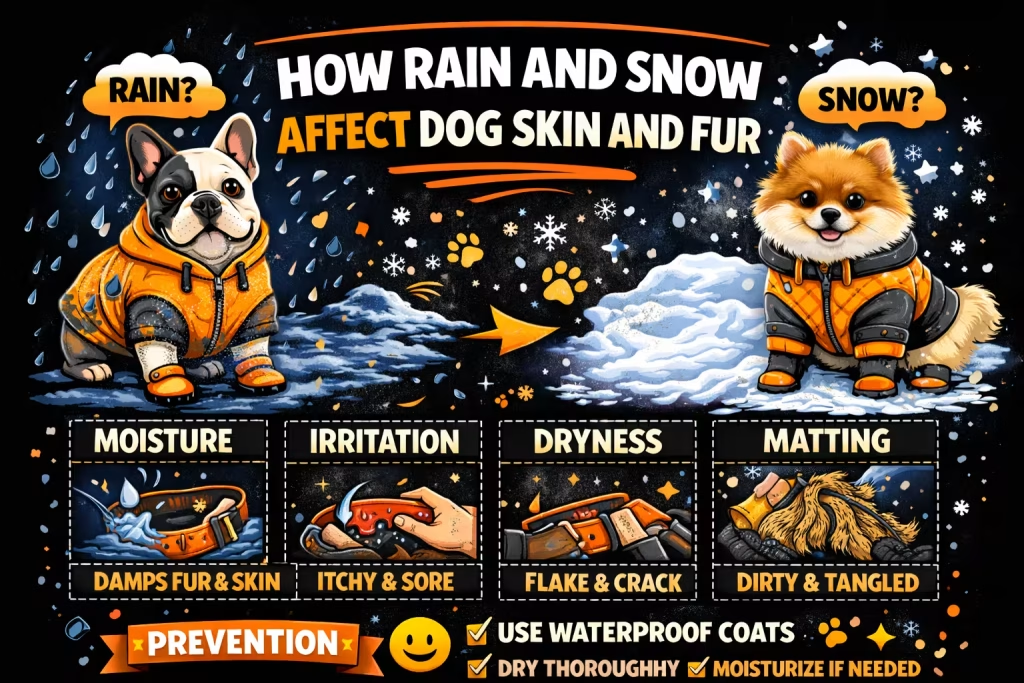
How Rain and Snow Affect Dog Skin and Fur
Rain and snow are a normal part of life for dogs across the United States, but many owners do not realize how much these conditions can affect skin and fur health. Wet fur, cold air, and repeated exposure to moisture can quietly lead to itching, dryness, odor, and irritation. Dogs cannot explain discomfort, so these issues often go unnoticed until they become visible problems. Understanding how rain and snow affect dog skin and fur helps owners prevent discomfort early, maintain a healthy coat, and reduce the need for medical treatment. This is especially important for active dogs that spend time outdoors year-round.
Understanding Dog Skin and Fur: How They Function as Protection
A dog’s skin and fur work together as a protective system. Skin acts as a barrier that helps retain moisture and block bacteria, while fur provides insulation and shields the skin from direct exposure. When this system is balanced, dogs stay comfortable and healthy. Weather conditions like rain and snow can disturb that balance by stripping natural oils, trapping moisture close to the skin, or causing temperature stress. Knowing how this system works makes it easier to spot early signs of trouble.
Why Rain is a Risk for Dog Skin
When a dog gets caught in a rainstorm, the water does not just stay on the surface of their fur; it often seeps down into the dense undercoat. This creates a Greenhouse Effect where body heat and trapped moisture form a warm, dark environment that is perfect for yeast and bacteria to grow. Unlike a controlled bath where you dry your pet immediately, rainwater can sit against the skin for hours, leading to a condition known as Rain Rot or folliculitis.
For owners in wet climates like the Pacific Northwest or the Northeast, this prolonged dampness is a major cause of itchy hotspots and fungal infections that can be difficult to clear up without a total change in drying habits.
The pH Shift: How Rain Disrupts the Skin’s Natural Shield
A dog’s skin is protected by a thin layer called the acid mantle, which maintains a specific pH balance to keep out allergens and harmful microbes. Rainwater, especially in urban American cities, can be slightly acidic due to environmental pollutants. When this water sits on your dog’s skin, it can disrupt that protective barrier, making the skin red, sensitive, and prone to flaking. This chemical shift is why many dogs develop a wet dog smell, which is actually the byproduct of bacteria flourishing as the skin’s natural defenses are weakened. Using a waterproof raincoat from Supreme Dog Garage is one of the most effective ways to keep the skin’s chemistry stable and avoid these secondary infections.
The Dehydration Paradox: How Snow Saps Moisture from Fur
It might seem strange to think that snow, which is frozen water, can cause dehydration, but it is one of the biggest threats to a dog’s coat in the winter. Cold air holds very little humidity, and when you combine that with the dry heat inside most American homes, the environment acts like a sponge, pulling moisture out of the dog’s hair shafts. This leads to brittle fur that breaks easily and skin that becomes tight, itchy, and covered in dandruff. Furthermore, the low humidity increases static electricity in the fur, making it easier for dirt and debris to cling to the coat and causing discomfort for your pet every time they move or are petted.
Ice Balls and Mechanical Damage: The Physical Toll of Snow
If your dog has long hair on their legs or belly, you have likely seen ice balls form after a few minutes in the snow. These happen when the dog’s body heat melts the snow, which then quickly refreezes into hard clumps around the fur. These ice balls are not just cold; they are heavy and pull on the skin with every step your dog takes. This constant tugging causes mechanical damage to the hair follicles and can create tiny tears in the skin. When these tears are exposed to the salt and grime of the road, it leads to severe irritation and localized swelling. Removing these clumps safely without pulling the fur is a critical part of post-walk winter maintenance.
Chemical Aggressors: The Hidden Toxins in Winter Slush
In many parts of the United States, the most dangerous part of a winter walk isn’t the snow itself, but the chemicals used to melt it. Road salt and de-icers are highly corrosive and can cause chemical burns on the sensitive skin of a dog’s paw pads and lower legs. When snow melts into slush, it carries these toxins deep into the fur, where they sit against the skin. Because rain and snow soften the skin, it becomes more porous and absorbs these chemicals faster. This often leads to a cycle of licking and chewing, which introduces more bacteria into the area and can lead to severe dermatitis if the chemicals are not washed away immediately after the walk.
|
Weather Type |
Primary Impact on Fur |
Primary Impact on Skin |
Barrier Solution |
|
Rain |
Heavy, matted, bacterial growth |
Fungal/Yeast infections (Rain Rot) |
Waterproof Raincoats |
|
Dry Snow |
Brittle shafts, static |
Flaking and Dehydration |
Omega-3s and Brushing |
|
Wet Slush |
Salt and chemical buildup |
Chemical burns and cracking |
Boots and Paw Wax |
|
Freezing Rain |
Crystalline breakage |
Extreme temperature shock |
Thermal Base-Layers |


How Weather Risks Differ by Breed and Coat Type
Not all dogs face the same dangers when the clouds roll in, as their natural armor varies significantly. Short-haired breeds, like Boxers or Greyhounds, lack the dense insulation needed to block cold moisture, meaning rain and snow hit their skin almost instantly. This direct contact quickly leads to sunburn and extreme dryness. Every breed has a different threshold for moisture and cold; understand the specific important reasons for dogs to wear clothes based on their natural coat density and body fat.
Conversely, double-coated breeds like Huskies or Golden Retrievers have a water-resistant outer layer and a thick undercoat. While this keeps them warm, it also means that once moisture gets inside, it stays trapped for days. Long-haired breeds face the additional struggle of matting, where wet fur twists into tight knots that pull painfully on the skin, often requiring professional grooming to resolve safely.
Identifying the Signs: Is Your Dog’s Skin Suffering?
Early detection is the key to preventing a minor itch from becoming a major infection. You should regularly check your dog for dandruff or white flakes, which are the first signs that the dry winter air is dehydrating their skin. If you notice a sour or musty smell coming from their fur even after they have dried off, it is a strong indicator of yeast or bacterial overgrowth caused by trapped rain. Pay close attention to their behavior as well; persistent licking of the paws or scratching at the neck often points to salt irritation or rain rot. Redness between the toes or a coat that feels brittle and crunchy rather than soft are clear signals that the weather is taking a toll on their health.
Proper Drying: Why a Simple Towel Isn’t Enough
Many pet owners make the mistake of a quick towel rub after a walk, but for many breeds, this only dries the very top layer of fur. To truly protect the skin, you must remove the moisture from the undercoat. For thick-coated dogs, using a hair dryer on a cool or low-heat setting is much more effective than air-drying. Air-drying in a cold house can keep the skin damp for hours, which encourages fungal growth. When drying, focus on the high-friction areas such as the armpits, the belly, and the spaces between the paw pads. Ensuring these areas are bone-dry will significantly reduce the risk of hot spots and skin sores during the wet months.
Grooming Habits for the Wet and Cold Seasons
Grooming requirements actually increase when the weather turns sour. While it might be tempting to skip brushing when it is muddy outside, regular brushing is essential to remove the dead undercoat and dander that trap moisture. Brushing also stimulates the production of natural oils (sebum) that act as a waterproof barrier for the skin. However, you should be careful with bathing; over-bathing during the winter can strip away these essential oils, leaving the skin defenseless against the cold. Aim for waterless shampoos or simple warm-water rinses to remove road salt, and always follow up with a thorough drying session to maintain the coat’s integrity.
The Dry and Defend Protocol: Using Protective Gear
The most effective way to manage how rain and snow affect dog skin and fur is to prevent the moisture from reaching them in the first place. High-quality water-resistant jackets and snowsuits from Supreme Dog Garage act as a primary shield, keeping the undercoat dry and preventing the formation of ice balls.
For dogs that spend a lot of time on salted sidewalks, boots are a non-negotiable tool to stop chemical burns and pad cracking. By using a layering approach, boots for the paws and a coat for the body, you significantly reduce the amount of post-walk cleaning and drying needed, allowing your dog to transition from a snowy walk to a warm living room without bringing the harmful environmental elements with them.
|
Symptom |
Weather Cause |
Recommended Action |
|
White Flakes / Dandruff |
Dry winter air / Indoor heat |
Increase brushing & Omega-3s |
|
Musty Wet Dog Smell |
Trapped rain moisture |
Deep dry with cool air / Anti-fungal wash |
|
Redness Between Toes |
Road salt / Chemical de-icers |
Rinse paws immediately / Use boots |
|
Painful Fur Knots (Mats) |
Wet fur friction |
Brush before & after walks |
-
Louis Pawtton Hero Brown Checkered Designer Leather Dog Harness and Leash Set
$35.00 – $94.50Price range: $35.00 through $94.50 -
Pawcci Designer Dog Harness And Leash Set
$59.50Original price was: $59.50.$39.00Current price is: $39.00.Rated 5.00 out of 5 -
Furry Berry Plaid Bow Tie Dog Collar And Leash
$20.00 – $35.00Price range: $20.00 through $35.00 -
Furdi FF Monogram Designer Dog Harness And Leash
$26.00 – $57.50Price range: $26.00 through $57.50Rated 5.00 out of 5


Nutrition and Hydration: Supporting the Skin From Within
When considering how rain and snow affect dog skin and fur, we must remember that the strongest defense starts from the inside. Cold, dry air increases a dog’s metabolic needs, and their skin requires more energy to maintain its oil barrier. Supplementing your dog’s diet with Omega-3 and Omega-6 fatty acids is one of the best ways to combat winter dryness. These essential fats help seal the skin cells, preventing moisture from escaping and keeping the coat supple enough to resist breaking. Furthermore, even though it is cold, hydration is vital. Dogs often drink less in the winter, but they need water to keep their skin cells plump and resilient against the harsh elements.
Creating a Skin-Friendly Home Environment
The transition from a freezing, snowy walk to a dry, heated house can be a shock to your dog’s skin. Forced-air heating systems in most American homes significantly lower indoor humidity, which exacerbates the itchy feeling many dogs get in January and February. Using a humidifier in the rooms where your dog sleeps can help prevent their skin from drying out overnight. Additionally, ensure their bedding is kept clean and dry; if a dog lies on a damp bed after a rainy walk, the moisture remains trapped against their belly, which can quickly lead to painful hot spots or bacterial infections on their underside.
Common Myths About Winter Skin and Fur Care
Myth 1: Snow naturally cleans a dog’s fur
Many people think that letting their dog play in the snow will automatically clean the coat. In reality, snow often contains tiny pollutants, road salts, and debris that can settle deep into the fur. This can irritate the skin, trap bacteria, and even damage the coat if not properly rinsed and dried afterward.
Myth 2: Dogs don’t get dry skin because they have fur
Fur provides some protection, but it can also hide early signs of skin irritation. By the time flakes, itching, or redness are noticeable, the dryness may already be advanced. Regular checks under the coat and attention to behavior changes are necessary to catch issues early.
Myth 3: More frequent baths fix winter dryness
Over-bathing strips the skin of its natural oils, which are essential for keeping fur and skin hydrated. While it might seem like frequent baths help, they can actually make dryness worse. Using gentle, skin-safe shampoos and limiting baths during winter helps maintain natural moisture levels.
Myth 4: Thick coats eliminate the need for winter care
Even dogs with double coats or thick fur can suffer from dry skin, matting, or irritation from wet conditions. Thick fur may hide problems, so grooming, drying, and regular skin checks remain important.
Myth 5: Cold weather prevents all skin problems
Some owners assume that cold weather stops pests and infections. While winter may reduce some insect activity, bacteria, yeast, and environmental irritants can still affect skin and fur health. Observation and preventive care are still required year-round.
When to See a Veterinarian for Weather Issues
While seasonal dryness is common, it is important to know when a skin problem has become a medical issue. If you notice patches of hair loss, oozing sores, or if your dog is scratching so intensely that they are breaking the skin, it is time for a professional diagnosis. Weather-related rain rot or chemical burns from salt can sometimes require antibiotic ointments or specialized medicated shampoos to fully heal. A veterinarian can also help determine if your dog’s winter itching is truly the weather or if it is a secondary allergy triggered by staying indoors more often, such as a dust mite or mold sensitivity.
Suggestions: Proactive Protection for Every Season
Maintaining your dog’s skin and fur health through rain and snow requires a balance of the right gear and a consistent routine. By understanding that rain brings the risk of infection and snow brings the risk of dehydration, you can adjust your care to match the forecast. High-quality protection from Supreme Dog Garage, such as waterproof raincoats and protective boots, serves as the first line of defense, keeping the harmful elements away from your pet’s body. When you combine this physical protection with good nutrition and proper drying techniques, you ensure that your dog stays comfortable, healthy, and ready for whatever the weather brings.

Top Dog Walking Products for Every Adventure
Make every walk an experience with premium dog walking gear from Supreme Dog Garage. Whether you’re exploring the neighborhood or hitting the trails, our curated selection of leashes, harnesses, collars, and accessories combines style, comfort, and durability, perfect for every pup and their person.
