

How Often to Change Dog Leash
A dog leash is the most important safety tool you own, yet it is often the most ignored item in the closet. Many dog owners in the United States keep using the same leash until it suddenly snaps, frays, or the clip fails, and by that moment, the danger has already arrived. A weak leash can put your dog at risk near busy roads, crowded sidewalks, dog parks, or unfamiliar trails, where one second of failure can lead to injury, loss, or panic.
At Supreme Dog Garage, we treat a leash as a daily safety link that must perform every single time you step outside. Understanding how often to change a dog leash, recognizing early signs of wear, and choosing dependable materials removes the risk of sudden breakage and gives you confidence that your dog stays secure on every walk, no matter the environment.
The Replacement Timeline: Frequency Based on Lifestyle
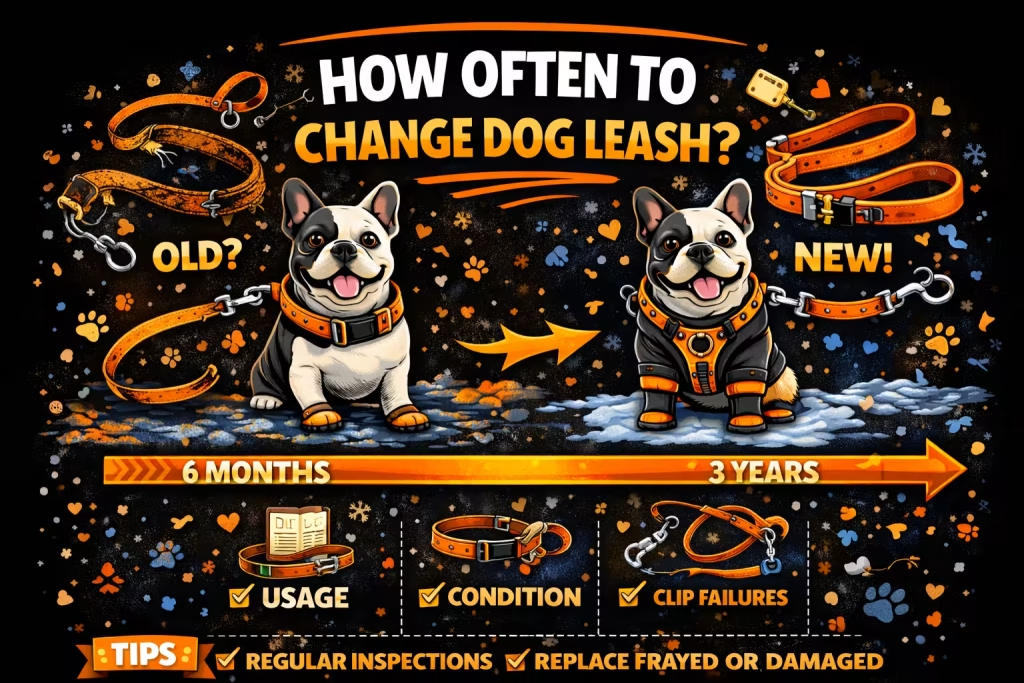
There is no single date for when a leash expires, but your daily habits dictate how fast the material breaks down. For a casual walker who takes their dog on paved suburban sidewalks twice a day, a high-quality leash will typically last between 12 and 18 months. However, if you own a large breed that is a power puller, the constant tension puts extreme stress on the fibers and the metal clip, meaning you should look for a replacement every 6 to 9 months.
Adventure dogs that spend their time at the beach or on muddy trails face even faster degradation because salt and grit act like tiny knives that saw away at the fabric. Puppy owners should be even more vigilant, as teething puppies can weaken a leash with a single chew session, making a replacement necessary almost immediately.
The Casual Walker
For those living in calm neighborhoods or city apartments, the main enemies are friction and time. Even if your dog walks perfectly on a loose lead, the leash still rubs against your clothing and the dog’s fur, slowly thinning the material. Over a year or more, the internal fibers of a nylon leash begin to lose their elasticity and strength. While these leashes look fine on the surface, they can become brittle. In the United States, suburban dogs often encounter abrasive surfaces like concrete and brick walls, which can snag the webbing and create small weak points that eventually turn into full tears.
The Power Puller (Large Breeds)
Owning a strong dog like a Pitbull, German Shepherd, or Labrador means your leash is under constant load. Every time your dog lunges or pulls toward a scent, the stitching at the handle and the clip is stretched to its limit. This repeated stress causes material fatigue, where the fibers no longer bounce back to their original shape. For these dogs, the metal swivel clip is also at high risk of failing because the internal spring is constantly compressed. If you feel any give or stretch in your leash, it is a sign that the structural integrity is gone and a snap is likely in your near future. Explore our Durable & Stylish Leash Collection today to find a secure, high-fashion upgrade that keeps your pup safe and looking their best.
The Adventure Dog (Hiking/Beach)
Dogs that live outdoors are the hardest on their gear. Saltwater is especially destructive because it causes metal hardware to rust from the inside out, often making the clip stick or become brittle. Sand and dirt get trapped inside the weave of nylon leashes, grinding against the threads with every movement. If you don’t wash and dry your leash after an outdoor excursion, bacteria can grow in the damp fibers, leading to rot. For these high-impact lifestyles, we recommend moving to a waterproof, non-porous material that can be wiped clean, ensuring that nature doesn’t eat away at your dog’s safety line.


Physical Warning Signs: A 5-Point Safety Inspection
You should perform a hands-on safety check of your leash at least once a month to catch invisible damage. A leash that looks perfectly clean can still be dangerous if the hardware or internal stitching has started to fail. By following a consistent inspection routine, you can identify problems before they turn into a broken leash during a walk. This proactive approach is the best way to keep your dog safe and ensure that your Supreme Dog’s gear is always performing at its best.
- Webbing Fatigue: Run your hand down the entire length of the leash. If you feel any spots that are thinner than others, or if you see fuzzy sections where threads are popping out, the leash has lost its tensile strength.
- The Hardware Test: Open and close the metal bolt snap several times. It should snap back instantly with a sharp clicking sound. If it feels sluggish, gets stuck, or shows signs of orange rust, it is a major safety hazard.
- Stitching Integrity: Look closely at the Box-X stitching (the square with an X inside) near the handle and the clip. If even one thread is loose or missing, the leash could unwrap under pressure.
- Handle Comfort and Grip: Check the handle for any stretching. A handle that has become too large or thin is harder to grip firmly, which increases the chance of the leash slipping out of your hand if your dog bolts.
- Discoloration and UV Damage: If the vibrant color of your leash has faded to a dull, chalky shade, it has suffered from sun damage. UV rays make synthetic fibers brittle, meaning the leash can snap like a dry twig under a heavy load.
Lifestyle Type | Recommended Change | Main Threat |
City/Suburban | 12 – 18 Months | Friction & Concrete Scrapes |
Power Puller | 6 – 9 Months | Tension & Metal Fatigue |
Hiking/Beach | 6 Months | Salt, Sand & Mold |
Puppy | As Needed | Chewing & Rapid Growth |
-
Dogior Monogram Designer Dog Travel Carrier
$267.80Original price was: $267.80.$198.90Current price is: $198.90. -
Louis Pawtton Luxury Monogram Designer Dog Travel Portable Carrier
$249.80Original price was: $249.80.$178.90Current price is: $178.90. -
The Dog Face Map Explorer Designer Dog Winter Puffer Jacket
$129.50 – $155.00Price range: $129.50 through $155.00Rated 5.00 out of 5




Material-Specific Lifespans: Nylon vs. Leather vs. PVC
The fabric or material you choose for your leash acts as the primary defense against the physical force of a dog’s pull. Nylon is the standard choice across the United States because it is affordable and can be dyed in endless patterns, but it is also the most prone to fraying and holding onto foul odors. Leather, when sourced as a premium hide, offers incredible natural strength and can last for several years, though it is vulnerable to dry rot if it is never conditioned.
In recent years, PVC-coated webbing, often known as Biothane, has become a favorite for those who want a leash that is practically indestructible. Each of these materials reacts differently to the stress of daily walks, and knowing their limits helps you decide when it is time to shop for a fresh set of gear from our latest collection.
Standard Nylon and Polyester Webbing
Nylon is favored for its flexibility and lightweight feel, making it easy to wrap around your hand for extra control. However, because it is a woven fabric, every time it snags on a bush or rubs against a rough stone wall, a few fibers are severed. These tiny breaks add up over time, leading to a leash that feels soft or limp. Nylon also absorbs water like a sponge; if a wet nylon leash is tossed into a car or a dark closet without being hung up to dry, the internal fibers can grow weak from mildew. If your nylon leash has lost its original stiffness or has visible pilling, it is no longer providing the maximum safety your dog needs.
Premium Leather and Its Maintenance
Leather is a classic material that provides a unique grip and a look of high-end luxury. One of the biggest benefits of leather is that it has a slight natural stretch, which acts as a shock absorber for your arm when your dog reaches the end of the lead. However, leather is a biological material that requires oils to stay strong. In dry climates or heated homes during American winters, leather can lose its moisture and develop tiny cracks. Once these cracks reach the center of the strap, the leash can snap without warning. If your leather gear feels stiff, brittle, or shows any signs of greyish dust in the cracks, it is a sign of dry rot and must be replaced immediately.
Waterproof/PVC Coated (Biothane) Advantages
For the modern dog owner, PVC-coated leashes offer a set it and forget it level of durability. These leashes are made by taking a strong internal core and sealing it in a waterproof coating. This means they are completely immune to water, mud, and the bacteria that make other leashes smell. While the material itself can last for five years or more, you must still pay attention to the rivets and the hardware. Because the material is so tough, owners often forget to check the metal parts. Even a waterproof leash is only as strong as the bolt snap at the end, so don’t let the durability of the strap give you a false sense of total security.
The Invisible Killers: Environmental Factors
Even the most expensive leash can be ruined by the environment if you aren’t careful. Many pet owners don’t realize that things like temperature swings and salt air are constantly working to break down the chemistry of their gear. In the United States, we deal with a wide range of weather, from freezing snow in the north to blistering heat in the south. These extremes cause materials to expand and contract, which eventually makes them brittle. By understanding these invisible factors, you can better protect your investment and know when the weather has finally taken its toll on your equipment.
Saltwater Corrosion and Metal Fatigue
If you live near the ocean or walk on roads that are salted during the winter, your leash hardware is under constant attack. Salt is an electrolyte that speeds up the rusting process of steel and even some alloys. The most dangerous part of this corrosion is that it often happens inside the swivel mechanism where you can’t see it. The spring that keeps the bolt snap closed is a very thin piece of metal; if salt eats away at that spring, the clip could pop open the next time your dog shakes their head. If you see any orange or white crusty buildup on your leash clip, it is time for a new one.
The Impact of Extreme Temperatures and UV Rays
Leaving your leash in a hot car during a Texas summer or on a cold porch in a Minnesota winter can do more damage than a year of walking. High heat can actually melt the synthetic glues used in some leashes or cause plastic buckles to warp. On the flip side, extreme cold makes nylon and plastic very brittle, meaning they can shatter or snap like glass if they are hit with a sudden force. Additionally, UV rays from the sun act as a bleaching agent that breaks down the molecular bonds in synthetic fibers. If your leash is noticeably faded on one side, that side is significantly weaker than the other, and the safety of the leash is compromised.
Material | Resilience to Water | Lifespan with Care | Best Use Case |
Nylon | Low (Absorbs) | 12 – 18 Months | Casual City Walking |
Leather | Medium (Needs Oil) | 3 – 5 Years | Classic Style & Grip |
PVC/Biothane | High (Waterproof) | 5+ Years | Hiking & Wet Weather |
Retractable | Low (Internal) | 6 – 12 Months | Controlled Open Spaces |
Why Fashion and Safety Go Hand-in-Hand
At Supreme Dog Garage, we believe that you should never have to choose between a leash that looks good and one that keeps your dog secure. The Hypebeast lifestyle is built on the idea of premium quality and high-end aesthetics. Our designer-inspired leashes are constructed with reinforced stitching and heavy-duty hardware that often exceeds the standards of generic pet store brands. A fresh leash is only as secure as the collar it’s attached to; how long dog collars last to ensure your entire walking set is up to professional safety standards.
Upgrading your leash isn’t just about matching your dog’s new Raincoat or Winter Sweater; it is about ensuring that your gear is fresh and free from the structural fatigue that naturally occurs with age. A new leash provides a crisp feel and a secure grip, which actually improves the communication between you and your dog during training or busy city walks.
The Psychology of New Gear for the Handler
There is a real psychological benefit to using gear you trust. If you are constantly worried that your old, frayed leash might snap, you will likely hold it with more tension, which your dog feels through the lead. This tension can make a dog more reactive or anxious. When you switch to a fresh, sturdy leash, you walk with more confidence. This calm energy travels down the leash and helps your dog stay focused on you. Choosing a leash that reflects your personal style also makes the daily routine of walking more enjoyable, turning a chore into a fashion-forward bonding experience.
Professional Maintenance: How to Make a Leash Last Longer
While every leash eventually needs a replacement, you can push that date further back with a little bit of care. After a rainy walk, never toss a wet leash into a pile; hang it up in a well-ventilated area so the fibers can dry completely. If your leash gets covered in mud or salt, rinse it off with fresh water immediately. For the metal hardware, you can occasionally apply a tiny drop of pet-safe lubricant or mineral oil to the swivel bolt. This keeps the spring moving smoothly and prevents the sticking that leads to accidental escapes. By taking five minutes a week to care for your equipment, you ensure that your investment in quality gear stays in top shape for as long as possible.
Proper Storage to Prevent Premature Aging
Where you keep your leash when you aren’t using it matters just as much as how you use it. Avoid hanging leashes in direct sunlight near a window, as the constant UV exposure will bleach the colors and weaken the fibers over time. Similarly, avoid storing gear in damp basements or garages where mold can settle into the fabric. The best place for a leash is a cool, dry hook or a dedicated pet gear basket inside your home. Proper storage keeps the materials stable and ensures that when you grab the leash for an evening walk, it is just as strong as the day you bought it.
Frequently Asked Questions
Can a dog leash expire?
While they don’t have a printed date, the materials have a limited lifespan. Most nylon and leather leashes lose their safety rating after 18 months of heavy use due to fiber breakdown.
Is a frayed leash still safe to use?
No. Even a small amount of fraying means the internal structure has been compromised. A frayed leash can snap instantly if the dog lunges at a squirrel or another dog.
How do I fix a sticking leash clip?
You can try cleaning it with fresh water and adding a drop of oil, but if the spring feels weak or the clip doesn’t close all the way on its own, the leash is no longer safe and must be replaced.
Should I replace the leash if my dog chewed it just once?
Yes. Dog teeth are designed to shear through bone and muscle; even a single deep nick in a leash can reduce its breaking strength by more than 50%.
How much weight can a standard nylon leash hold?
While many are rated for 500+ lbs of static weight, the dynamic force of a 70-lb dog lunging is much higher. This is why reinforced stitching is so important for large breeds.
Conclusion: Peace of Mind on Every Path
The safety of your dog is the most important part of every walk. While it is easy to get used to an old, worn-out leash, proactive replacement is a key part of responsible pet ownership in the United States. By inspecting your gear monthly and understanding that environmental factors like sun and salt are constantly working against you, you can prevent accidents before they happen. A high-quality, stylish leash is an investment in your dog’s safety and your own peace of mind. Is your current leash showing signs of age or fading? Don’t wait for it to fail in a dangerous moment.

Top Dog Walking Products for Every Adventure
Make every walk an experience with premium dog walking gear from Supreme Dog Garage. Whether you’re exploring the neighborhood or hitting the trails, our curated selection of leashes, harnesses, collars, and accessories combines style, comfort, and durability, perfect for every pup and their person.
