

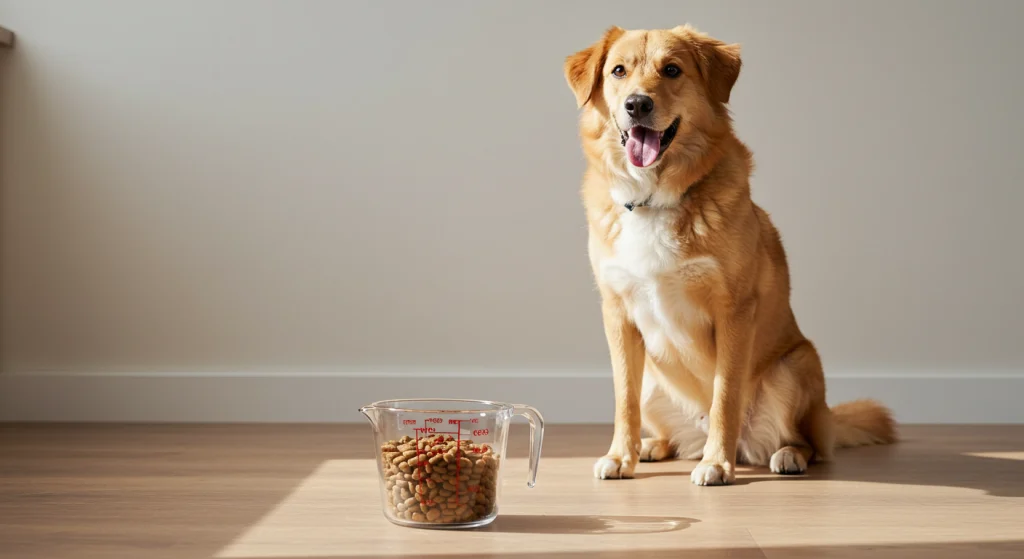
How Much Food Should I Feed My Dog
As a dog owner, one of the most important decisions you make every day is how much food to feed your dog. It’s easy to assume that feeding your dog is as simple as pouring kibble into their bowl, but feeding the right amount of food is essential for their health and well-being. Overfeeding or underfeeding your dog can lead to serious health issues, including obesity, malnutrition, or digestive problems.
But how do you know the right amount to feed? Every dog is different, and their nutritional needs can vary depending on several factors like their age, breed, activity level, and health status. This comprehensive guide will help you understand how much food your dog needs based on their specific needs and offer tips on portion sizes, feeding schedules, and the best practices for managing your dog’s meals.
Factors That Affect How Much Food Your Dog Needs
1. Age and Life Stage
A key factor that affects how much food to feed your dog is their age and life stage. Just like humans, dogs have different nutritional requirements at different stages of life.
- Puppies: Puppies need a nutrient-dense diet because they are growing quickly and require more energy. Typically, puppies require more calories per pound of body weight compared to adult dogs. Puppy food is designed to support rapid growth, and you’ll need to feed them more frequently—usually 3 to 4 meals a day to help maintain steady energy levels.
- Adult Dogs: Adult dogs generally need fewer calories than puppies, as they have reached their full size and are no longer growing. However, their daily food intake is still crucial for maintaining a healthy weight and energy levels. Adult dog food is typically lower in calories than puppy food but balanced to maintain overall health and well-being. Feeding them two meals a day is usually sufficient.
- Senior Dogs: As dogs age, their metabolism slows down, and they require fewer calories to maintain their weight. Senior dogs might also experience health issues like arthritis or dental problems, which can affect how much they eat. For many senior dogs, a lower-calorie food designed to support aging joints and reduce the risk of obesity is recommended. Their food should still be nutrient-rich, with additional joint-supporting ingredients like glucosamine and chondroitin.
2. Breed and Size
Your dog’s breed and size significantly impact how much food they need. Larger dogs typically need more food overall, but their portions are spread across fewer meals than those of smaller dogs, which may need higher calories per pound.
- Small Breeds: Small dogs such as Chihuahuas or Yorkies have faster metabolisms and often need more food per pound of body weight than larger breeds. While they may eat smaller portions overall, they still require highly concentrated calories and protein to maintain their energy levels.
- Large Breeds: Larger breeds like Golden Retrievers, Great Danes, and Labradors require more food in total quantity but have a slower metabolism. They may eat larger portions of food but have lower caloric needs per pound of body weight than small dogs.
- Medium Breeds: Medium-sized dogs such as Beagles or Cocker Spaniels fall in between, with moderate calorie requirements. It’s important to provide balanced portions to prevent overfeeding and maintain a healthy weight.
3. Activity Level and Exercise
The more active your dog is, the more food they will need. Dogs that engage in physical activities like running, hiking, or dog sports will burn more calories and require more energy to sustain their activity.
- Active Dogs: Working or sporting breeds, such as Border Collies or Australian Shepherds, require more calories to maintain energy during periods of activity. These dogs may need 30% more calories than a less active dog of the same size.
- Sedentary Dogs: Dogs that are not very active, such as older dogs, those with health issues, or lap dogs that don’t engage in much exercise, need fewer calories. Overfeeding sedentary dogs can easily lead to obesity, which can further contribute to joint problems, heart disease, and diabetes.
- Inactive Dogs: If your dog is inactive due to age, illness, or temperament, you’ll need to adjust their food portions to account for their lower calorie needs. This is especially important to prevent excess weight gain.
4. Health Status and Medical Needs
Health conditions and medical issues can significantly affect your dog’s dietary needs. If your dog is experiencing a specific health issue, such as diabetes, arthritis, or heart disease, they may require specialized food to help manage the condition.
- Spayed or Neutered Dogs: After spaying or neutering, dogs typically experience a slowdown in metabolism. As a result, their food portions might need to be adjusted downward to avoid weight gain. Many commercial dog foods offer spayed/neutered formulas to help regulate calorie intake and maintain an ideal weight.
- Pregnant or Nursing Dogs: If your dog is pregnant or nursing, her nutritional needs will be higher to support the development of puppies or the production of milk. Pregnant dogs need more calories, protein, and fat, while nursing dogs may need to eat up to 50% more than their normal intake.
Health Issues: If your dog suffers from chronic health issues, such as diabetes or hypothyroidism, they may need a special diet. Always consult your veterinarian to determine the best type of food and feeding schedule to support their health.


Dog Weight (lbs) | Life Stage | Age Range | Daily Food Amount (Cups) | Feeding Frequency (Meals per Day) | Key Nutritional Needs | Activity Level Adjustment (Inferred) |
5 | Puppy | 1–6 months | 1/3 cup | 3 to 4 | Nutrient-dense, high energy for rapid growth, high calories per pound | Increase portions by up to 30% for highly active/working breeds; decrease for sedentary/lap dogs. |
10 | Puppy | 1–6 months | 2/3 cup | 3 to 4 | Nutrient-dense, high energy for rapid growth, high calories per pound | Increase portions by up to 30% for highly active/working breeds; decrease for sedentary/lap dogs. |
20 | Puppy | 1–6 months | 1 cup | 3 to 4 | Nutrient-dense, high energy for rapid growth, high calories per pound | Increase portions by up to 30% for highly active/working breeds; decrease for sedentary/lap dogs. |
40 | Puppy | 1–6 months | 2 cups | 3 to 4 | Nutrient-dense, high energy for rapid growth, high calories per pound | Increase portions by up to 30% for highly active/working breeds; decrease for sedentary/lap dogs. |
60 | Puppy | 1–6 months | 2 1/2 cups | 3 to 4 | Nutrient-dense, high energy for rapid growth, high calories per pound | Increase portions by up to 30% for highly active/working breeds; decrease for sedentary/lap dogs. |
5 | Adult | 1–7 years | 1/4 cup | 2 | Balanced nutrition for weight maintenance; fewer calories than puppies | Increase portions by up to 30% for highly active/working breeds; decrease for sedentary/lap dogs. |
10 | Adult | 1–7 years | 1/2 cup | 2 | Balanced nutrition for weight maintenance; fewer calories than puppies | Increase portions by up to 30% for highly active/working breeds; decrease for sedentary/lap dogs. |
20 | Adult | 1–7 years | 3/4 cup | 2 | Balanced nutrition for weight maintenance; fewer calories than puppies | Increase portions by up to 30% for highly active/working breeds; decrease for sedentary/lap dogs. |
40 | Adult | 1–7 years | 1 1/2 cups | 2 | Balanced nutrition for weight maintenance; fewer calories than puppies | Increase portions by up to 30% for highly active/working breeds; decrease for sedentary/lap dogs. |
60 | Adult | 1–7 years | 2 cups | 2 | Balanced nutrition for weight maintenance; fewer calories than puppies | Increase portions by up to 30% for highly active/working breeds; decrease for sedentary/lap dogs. |
5 | Senior | 7+ years | 1/4 cup | Not in source | Lower calorie, joint support (glucosamine, chondroitin), high nutrient density | Reduce portions for sedentary seniors to prevent obesity; adjust based on metabolic slowdown. |
10 | Senior | 7+ years | 1/2 cup | Not in source | Lower calorie, joint support (glucosamine, chondroitin), high nutrient density | Reduce portions for sedentary seniors to prevent obesity; adjust based on metabolic slowdown. |
20 | Senior | 7+ years | 3/4 cup | Not in source | Lower calorie, joint support (glucosamine, chondroitin), high nutrient density | Reduce portions for sedentary seniors to prevent obesity; adjust based on metabolic slowdown. |
40 | Senior | 7+ years | 1 1/4 cups | Not in source | Lower calorie, joint support (glucosamine, chondroitin), high nutrient density | Reduce portions for sedentary seniors to prevent obesity; adjust based on metabolic slowdown. |
60 | Senior | 7+ years | 1 3/4 cups | Not in source | Lower calorie, joint support (glucosamine, chondroitin), high nutrient density | Reduce portions for sedentary seniors to prevent obesity; adjust based on metabolic slowdown. |
Dog Feeding Charts and Portion Control
How Much Food Should I Feed My Dog?
When determining how much food to feed your dog, the best starting point is often the feeding guide provided by the dog food manufacturer. These charts are based on your dog’s weight, age, and sometimes breed, but they are not one-size-fits-all. You’ll still need to consider your dog’s activity level, health status, and individual needs.
- Daily Calorie Intake: To maintain a healthy weight, dogs typically need 30 calories per pound of body weight per day. For example, a 20-pound dog will require around 600 calories daily. However, this can vary depending on factors like age, activity level, and breed.
- Adjusting Portions: If your dog is gaining weight, consider slightly reducing their portions and offering more low-calorie snacks (such as vegetables or fruits) instead of high-calorie treats. If your dog is losing weight or not eating enough, increase the portion sizes slightly and ensure they’re getting a well-balanced, high-quality dog food.
Dog Feeding Chart by Weight and Age
The following dog feeding chart will help you determine the right portions for your dog based on their weight, age, and life stage:
Dog Weight (lbs) | Puppy (1–6 months) | Adult (1–7 years) | Senior (7+ years) |
5 | 1/3 cup | 1/4 cup | 1/4 cup |
10 | 2/3 cup | 1/2 cup | 1/2 cup |
20 | 1 cup | 3/4 cup | 3/4 cup |
40 | 2 cups | 1 1/2 cups | 1 1/4 cups |
60 | 2 1/2 cups | 2 cups | 1 3/4 cups |
Note: These are general guidelines; adjust them based on your dog’s individual needs and veterinary advice.
Puppy Feeding Chart
Puppies require a different feeding regimen than adult dogs. They have higher calorie needs to support their growth and development. The following feeding guide for puppies can help you determine the correct portions:
Age | Portion Size (per meal) |
8–12 weeks | 3-4 meals a day, 1/4–1/2 cup per meal |
3–6 months | 3 meals a day, 1/2–3/4 cup per meal |
6–12 months | 2 meals a day, 3/4–1 cup per meal |
Tip: Always feed your puppy a puppy-specific food that is designed to meet their nutritional needs during this critical growth phase. At Supreme Dog Garage, we offer a variety of cool bowls, slow feeders, and raised bowls to make feeding your dog easier and more accurate. Check out our collection today to enhance your dog’s feeding routine!
Senior Dog Feeding Chart
As dogs age, their calorie requirements often decrease. Senior dogs typically need fewer calories but more joint-supporting nutrients. The following chart provides feeding guidelines for senior dogs:
Dog Weight (lbs) | Senior Dog Feeding Amount |
10 | 1/3 cup |
20 | 1/2 cup |
40 | 1 cup |
60 | 1 1/4 cups |
Senior dog food often includes ingredients to support aging joints, such as glucosamine and chondroitin.
-
Cartiarf Durable Plush Dog Toys (Bone, Ball, Jewelry Box)
$17.00 – $22.50Price range: $17.00 through $22.50


Why Feeding the Right Amount Is So Important
Feeding your dog the right amount of food is crucial for several health-related reasons. It ensures your dog stays in optimal condition, preventing issues such as obesity, malnutrition, and digestive disorders. Proper feeding also helps maintain your dog’s energy levels, muscle mass, and overall well-being.
Preventing Obesity
One of the biggest issues dogs face is obesity, which often results from overeating or feeding too many treats. Obesity can lead to serious health problems like joint pain, heart disease, and diabetes. By measuring your dog’s portions accurately and feeding the correct amount based on their age, activity level, and health status, you can avoid excessive weight gain.
Maintaining a Healthy Weight
Proper portion sizes help ensure your dog maintains a healthy weight. Overfeeding your dog increases the risk of obesity, while underfeeding can lead to malnutrition. The goal is to provide the right amount of high-quality food that gives your dog enough calories without excess weight.
Digestive Health
Feeding your dog too much or too little can disrupt their digestive system. Overfeeding can lead to bloating, gas, and discomfort, while underfeeding may result in insufficient nutrient intake, leading to weakness and lethargy. The right portion size helps regulate digestion and prevent these issues. Choose the right food that fits your dog’s needs and your lifestyle.
Overfeeding vs. Underfeeding: Striking the Right Balance
Understanding the consequences of both overfeeding and underfeeding is key to maintaining your dog’s health.
- Overfeeding: Overfeeding your dog can lead to obesity, which is linked to numerous health issues such as joint problems, heart disease, and diabetes. Over time, excessive weight puts stress on your dog’s organs and bones, which can significantly reduce their quality of life.
- Underfeeding: On the other hand, underfeeding your dog can result in malnutrition, weight loss, and low energy levels. This can lead to more severe health problems, including weakened immune systems, slow growth (in puppies), and a lack of muscle mass. Ensuring your dog gets enough protein, fat, and carbohydrates is essential to support their physical and mental well-being.
Feeding Your Dog the Right Amount for a Healthy, Happy Life
Proper feeding is essential for your dog’s health and well-being. By understanding the factors that impact how much food to feed your dog, you can ensure they receive the right amount of nutrition, maintain a healthy weight, and live a long, happy life. Whether you have a puppy, adult, or senior dog, adjusting their food portions based on age, size, and activity level will help meet their needs and prevent health issues.
Feeding your dog the right amount also means choosing the right food. High-quality dog food is packed with the right nutrients, so your dog gets the energy and vitamins they need without excess fillers. And to support your daily feeding routine, accessories like ergonomic bowls, slow feeders, and portion-control tools available from Supreme Dog Garage can help you serve meals with both accuracy and style.

Top Feeding Accessories Your Dog Will Love
Ready to make mealtime healthier and easier for your pup? Explore our collection of premium dog bowls and accessories at Supreme Dog Garage. The right gear not only keeps portions accurate but also makes feeding time more comfortable and enjoyable for your dog. 🐾
