

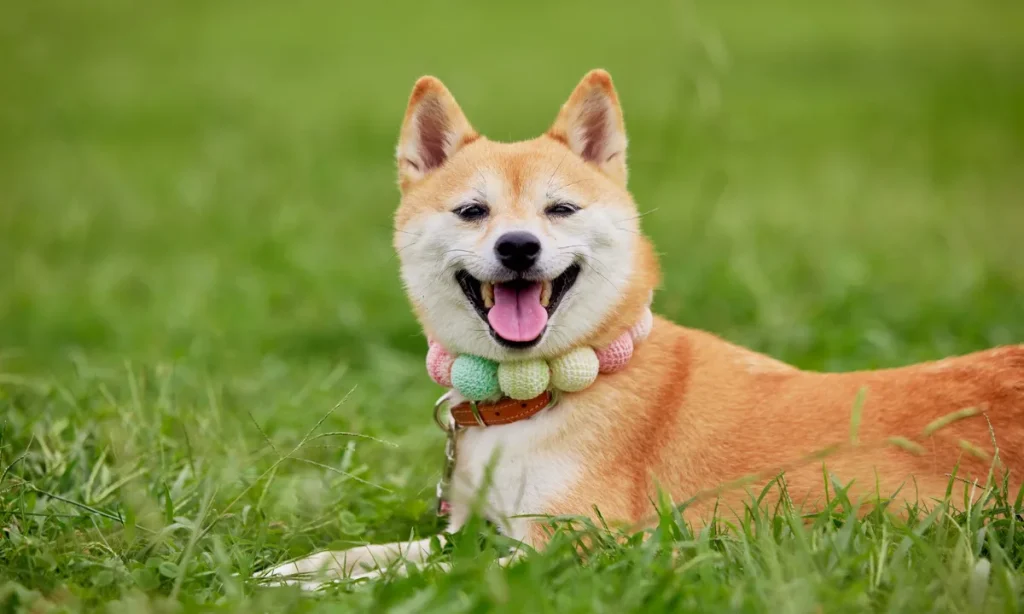
How Many Collars Should a Dog Have
Choosing a dog collar sounds simple until everyday life gets involved. One collar may become wet after swimming, dirty after a muddy walk, damaged at the buckle, or unavailable while it is being washed. At the same time, a collar that works well for identification may not be the best choice for hiking, nighttime walks, or outdoor play. For most dogs, having two to three useful collars is a practical setup: one comfortable everyday ID collar, one backup, and an optional third collar for a specific activity or purpose. The right number depends on your dog’s size, age, coat, activity level, walking habits, and safety needs rather than a fixed rule that applies to every dog.
Why Having More Than One Dog Collar Can Be Useful
A dog does not need a large collar collection simply for the sake of owning more accessories. Multiple collars become useful when each collar has a clear job. An everyday collar can carry identification, while another can be kept clean for backup or used during swimming, hiking, rain, or low-light walks. This approach helps owners avoid relying on one collar for every situation and makes it easier to choose equipment based on comfort, safety, and activity.
Everyday Identification
An everyday collar gives your dog an easy place to carry an ID tag with your current contact details. This can be especially useful if your dog slips through an open gate, gets loose during a walk, or becomes separated from you while traveling. A microchip provides another layer of identification, but it does not make a visible ID tag unnecessary. Someone who finds your dog can read a tag immediately without first visiting a veterinary clinic or shelter for a chip scan.
The best everyday dog collar should feel comfortable during normal wear. It should fit securely without pressing tightly into the neck and should have dependable hardware for attaching identification. For many dogs, a simple flat or buckle collar works well for this role.
A Spare for Washing, Damage, or Emergencies
A second collar often proves its value at the most inconvenient time. Dog collars collect dirt, moisture, hair, skin oils, and outdoor debris. After washing a collar, it may need time to dry fully before your dog wears it again. Having a spare means your dog can continue wearing identification instead of going without a collar.
A backup is also useful if you notice frayed webbing, a cracked buckle, loose stitching, bent hardware, or another problem that makes the primary collar unsafe. Instead of continuing to use damaged equipment while waiting for a replacement, you can switch immediately to the spare.
Different Activities Require Different Features
One collar may work perfectly for neighborhood walks but poorly at the beach or on a muddy trail. Dogs that swim often may benefit from a water-resistant collar that dries faster and cleans easily. Dogs walked before sunrise or after dark may benefit from reflective details. An outdoor dog may need stronger hardware than a dog whose main exercise consists of short daily walks. The goal is not to collect every collar type available. Choose additional collars only when your dog’s routine creates a practical reason for them.
The Best Collar Setup for Most Dogs
Most owners can build a useful collar setup without buying many different styles. Start with your dog’s everyday needs, then add another collar only if it solves a real problem. For an average household dog, two collars may be completely sufficient. More active dogs often benefit from three because they encounter a wider range of conditions.
Two-Collar Setup: Everyday Collar and Backup
A simple two-collar setup works well for many family dogs. The first collar serves as the everyday ID collar, while the second stays available as a backup. This arrangement is especially practical for dogs that use a harness for most walks because the collar’s main purpose may be identification rather than leash control.
A basic setup may look like this:
- Everyday ID collar: Comfortable, properly fitted, and fitted with current identification.
- Backup collar: Ready to use during washing, damage, travel, or unexpected situations.
For a mostly indoor dog with moderate exercise, there may be little reason to own additional collars unless the owner wants them for appearance or special activities.
Three-Collar Setup: Everyday, Activity, and Backup
Three collars make sense for dogs that spend more time outdoors. The everyday collar remains clean and comfortable for normal use. A second collar can handle swimming, rain, dirt, hiking, or outdoor play. The third remains available as a spare or can serve another useful role such as reflective visibility.
A practical three-collar rotation could include:
- Everyday ID collar for normal wear
- Waterproof or activity collar for wet and dirty conditions
- Backup or reflective collar for emergencies or low-light walks
Owners who regularly visit beaches, trails, dog-friendly parks, or camping areas may find this setup much easier than repeatedly washing and drying the same collar.
When More Than Three Collars Make Sense
Some dogs genuinely have several different collar needs. A dog that swims during summer, hikes during weekends, goes on evening walks, and attends family events may use several collars for different purposes. Owners who enjoy dog fashion may also keep additional collars to match clothing, seasons, or special occasions. Extra collars should come after the dog’s functional needs are covered. A well-fitted everyday collar and dependable backup should come before decorative options. Once those basics are in place, owners can add styles that match their dog’s personality. Supreme Dog Garage offers dog collars in a range of fashion-focused designs, making it easier to keep practical everyday options while adding statement pieces for outings, photos, events, or coordinated dog outfits.


Which Type of Dog Collar Does Your Dog Need?
The right collar depends more on purpose than appearance. A dog that spends most of its time indoors has different needs from one that swims, hikes, or frequently walks after dark. Knowing what each collar does makes it easier to decide whether your dog needs two collars, three collars, or simply one dependable collar plus a harness.
|
Collar Type |
Best Use |
Main Benefit |
|
Flat or buckle collar |
Everyday wear |
Simple identification and daily comfort |
|
Waterproof collar |
Swimming, rain, muddy walks |
Easier cleaning and quicker drying |
|
Reflective collar |
Evening and early-morning walks |
Better visibility |
|
Martingale collar |
Certain dogs that slip from standard collars |
More controlled fit |
|
Personalized collar |
Daily identification |
Contact information can be added directly |
|
Fashion collar |
Events, outings, photos |
Style and outfit coordination |
Flat or Buckle Collar
A flat or buckle collar is the standard choice for everyday wear. It provides space for identification and is available in many widths, materials, and closure types. For a dog that does not need specialized equipment, this may be the most frequently used collar in the household. Comfort matters more than decoration for daily wear. Check the buckle, D-ring, stitching, and edges regularly. A collar that looks fine from a distance can still develop rough areas or hardware damage after repeated use.
Waterproof Collar
A waterproof or water-resistant collar is useful for dogs that regularly get wet. Standard fabric collars can hold moisture, dirt, and odor after swimming or rainy walks. A collar intended for wet conditions is usually easier to wipe clean and return to use. This type can be especially useful for dogs that visit beaches, lakes, outdoor trails, or muddy parks. Rather than soaking the everyday ID collar every time, owners can switch to an activity collar before leaving home.
Reflective Collar
A reflective collar can add visibility during early-morning or evening walks. It should not replace safe walking habits, a leash, or proper lighting, but reflective material can make the dog easier to notice when light reaches the collar. Owners who frequently walk in low-light conditions may prefer to use a reflective collar as their third option instead of keeping another general-purpose collar.
Martingale Collar
A martingale collar has a limited-slip design that can help reduce the chance of certain dogs backing out of a standard collar. It is commonly considered for dogs with narrow heads compared with their necks, including breeds such as Greyhounds and Whippets. It should fit correctly and should not be treated as the default collar for every dog. Owners unfamiliar with fitting one should ask a qualified trainer, veterinarian, or experienced pet professional for guidance.
Personalized or ID Collar
A personalized dog collar can carry information such as the dog’s name or the owner’s phone number directly on the collar. This can reduce dependence on a hanging tag, although many owners still prefer to use both. Whatever identification system you choose, keep the information current. A collar with an outdated phone number offers little help if your dog becomes lost.
Fashion or Designer Collar
Fashion collars allow owners to change a dog’s appearance for outings, photos, holidays, and special occasions. They can also be paired with matching leashes, harnesses, clothing, or other accessories. The important point is that style should come after fit and function. A designer collar should still sit comfortably, use appropriate hardware, and suit the dog’s size. Supreme Dog Garage carries fashion-led dog collars and matching accessories for owners who want to build a coordinated look without ignoring everyday practicality.
How to Choose the Right Collar for Your Dog
Buying the correct collar starts with the dog, not the product photo. Neck size, body size, coat length, activity level, and skin sensitivity all affect what feels comfortable. A collar that fits one dog perfectly may be unsuitable for another dog of the same breed.
Measure Your Dog’s Neck Correctly
Measure your dog’s neck with a soft measuring tape where the collar normally sits. Do not rely only on labels such as small, medium, or large because sizing varies between brands. Compare your measurement with the manufacturer’s size chart before ordering. If your dog falls between two sizes, check the adjustment range rather than automatically choosing the larger option. Puppies should be measured more often because neck size can change quickly during growth.
Check the Fit With the Two-Finger Rule
A common starting point for checking collar fit is the two-finger rule. You should generally be able to slide two fingers between the collar and your dog’s neck without forcing them underneath. The collar should remain secure without pressing tightly into the skin. Fit should still be checked according to the individual dog. Dogs with narrow heads, thick coats, loose neck skin, or unusual body shapes may need extra attention. Recheck the fit regularly because weight changes, grooming, coat growth, and puppy development can all affect how the collar sits.
Choose the Right Width and Weight
Small dogs usually need lighter collars with smaller hardware. A heavy buckle or oversized chain can add unnecessary weight to a small neck. Larger dogs may benefit from wider collars and stronger attachment points that better suit their size. The collar should feel proportional to the dog. Strength is important, but thicker and heavier does not automatically mean better.
Consider Coat and Skin Sensitivity
Collar material can rub against the skin or affect the coat if the fit is poor. Long-haired dogs may experience matting beneath a collar, while short-haired dogs may show rubbing or redness more quickly because there is less fur protecting the skin. Check the neck regularly for redness, hair loss, soreness, odor, moisture, or irritation. If skin problems continue even after adjusting or changing the collar, a veterinarian should evaluate the dog rather than simply trying another style.
Match the Material to the Dog’s Lifestyle
Collar material affects comfort, cleaning, drying time, and durability. There is no single best material for every dog.
|
Material |
Good For |
Main Consideration |
|
Nylon |
Everyday use |
Lightweight and easy to find |
|
Waterproof synthetic |
Swimming and wet weather |
Easy to clean |
|
Leather |
Everyday and dress use |
Needs regular care |
|
Neoprene |
Active dogs |
Soft and useful around water |
|
Reflective material |
Night walks |
Improves visibility in low light |
A dog that spends weekends outdoors may benefit from a different material than a dog that mainly goes on short neighborhood walks.
-
Louis Pawtton Hero Brown Checkered Designer Leather Dog Harness and Leash Set
$35.00 – $94.50Price range: $35.00 through $94.50 -
Pawcci Designer Dog Harness And Leash Set
$59.50Original price was: $59.50.$39.00Current price is: $39.00.Rated 5.00 out of 5 -
Furry Berry Plaid Bow Tie Dog Collar And Leash
$20.00 – $35.00Price range: $20.00 through $35.00 -
Furdi FF Monogram Designer Dog Harness And Leash
$26.00 – $57.50Price range: $26.00 through $57.50Rated 5.00 out of 5


Do Puppies Need More Than One Collar?
Puppies create a different situation because they grow quickly. A puppy may go through several collars during its first year, but that does not mean it needs a large collar collection at the same time. Start with a lightweight, adjustable collar that fits correctly and carries identification. Keep a suitable backup if practical, then replace the primary collar as the puppy outgrows its adjustment range. Check the fit frequently during periods of rapid growth. A collar that fitted properly a few weeks ago can become too tight as the puppy’s neck develops. You should also inspect the collar after rough play because chewing, scratching, and normal puppy activity can damage webbing or hardware.
When Does a Dog Need a Special Collar Setup?
Most dogs can use a normal collar, but some have body shapes, health concerns, or behavior patterns that make standard equipment less suitable. In these situations, the goal should be finding the safest setup rather than increasing the number of collars.
Dogs That Can Slip Out of Standard Collars
Some dogs have heads that are similar in width to, or narrower than, their necks. This can make it easier for them to back out of a poorly fitted flat collar. Greyhounds and Whippets are common examples. A properly fitted martingale may be considered in these cases. The collar should still be selected and fitted carefully because preventing escape does not mean the collar should constantly tighten around the neck.
Small Dogs and Dogs With Sensitive Necks
Small dogs have less body mass supporting the neck and may be uncomfortable in heavy collars. Lightweight materials and smaller hardware usually make more sense. Some owners also use a harness for leash attachment while leaving a lightweight collar on for identification. This separates the job of carrying ID from the pressure created during walking.
Large or Strong Dogs
Large dogs need collars with hardware suited to their size. Check buckles, stitching, D-rings, and adjustment points rather than choosing based only on width or appearance. Supreme Dog Garage offers collar options for larger dogs as well as matching harnesses and leashes, allowing owners to build a walking setup that suits both size and style.
Dogs With Medical or Airway Concerns
Dogs with neck injuries, breathing issues, airway conditions, or other medical concerns may need a different walking setup. A collar can still be useful for identification, but leash pressure around the neck may be inappropriate for some dogs. In these cases, ask your veterinarian what equipment is suitable for your individual dog before changing walking gear.
Should Dogs Wear Collars All the Time?
A collar is useful for identification, but that does not automatically mean a dog should wear one every minute of the day. Whether the collar stays on depends on the dog’s environment, escape risk, activity, skin condition, and whether there is any chance the collar could become caught on an object.
Wearing a Collar Around the House
Many owners keep an ID collar on their dog indoors because doors, gates, and visitors can create unexpected escape opportunities. If you do this, check the collar regularly and make sure it remains comfortable. Dogs with skin irritation may need supervised collar-free periods while the neck dries or recovers. Identification can be put back on once the collar is safe and comfortable to wear again.
Should a Dog Sleep With a Collar On?
There is no single answer for every household. Some owners prefer to leave a lightweight ID collar on because their dog has access to doors or fenced outdoor areas. Others remove the collar at night to reduce rubbing and give the neck a break. The sleeping environment matters. A loose indoor sleeping area is different from a crate where hardware can catch on bars or other surfaces.
Should Dogs Wear Collars in Crates?
Removing a collar before crating is generally the safer choice because tags, buckles, or collar material can become caught on crate bars. Even a properly fitted collar can create a risk if something attached to it becomes trapped while the dog moves. If your dog uses a crate, build collar removal into the routine just as you would closing the crate door or providing suitable bedding.
Dog Collar or Harness: Does Your Dog Need Both?
A collar and harness do different jobs, so owning both is often practical. A collar provides a convenient place for identification, while a harness may be used for leash attachment and body control during walks. This is especially relevant for dogs that pull, small dogs, or dogs that should avoid repeated pressure on the neck. Using a harness does not automatically make the collar unnecessary. Many owners use the collar for ID and attach the leash to a properly fitted harness during walks.
Why a Collar Still Matters for Identification
A visible ID collar can help someone contact you quickly if your dog gets lost. A harness may be removed after walks, so keeping identification on a separate everyday collar can provide more consistent protection around the home.
When a Harness May Be Better for Walking
A harness spreads leash pressure across a larger area of the body instead of focusing it on the neck. This can make it useful for some dogs, although fit and design still matter. If your dog pulls heavily, has breathing concerns, escapes from equipment, or behaves unpredictably on walks, ask a trainer or veterinarian which setup is most suitable.
A Practical Collar and Harness Setup
For many dogs, the simplest combination is:
- Collar: identification and everyday wear
- Harness: leash attachment during walks
- Backup collar: emergencies, washing, or replacement
Owners looking for coordinated equipment can pair a Supreme Dog Garage collar with a matching dog harness or leash while keeping the dog’s fit and walking needs as the first priority.
How Often Should You Clean and Replace a Dog Collar?
A dog collar should be treated like frequently used equipment rather than a permanent accessory. Dirt, moisture, salt, mud, skin oils, and repeated pulling can gradually affect the material and hardware. Cleaning and inspection help owners catch problems before the collar fails.
How Often Should You Clean a Dog Collar?
There is no fixed cleaning schedule for every dog. Clean the collar when it becomes visibly dirty, smells, gets wet in dirty water, or collects mud and debris. Dogs that swim or spend a lot of time outdoors will usually need more frequent cleaning than indoor dogs. Follow the care instructions for the material. Nylon, leather, waterproof synthetics, and decorative collars may require different cleaning methods. To prevent odors and bacteria from building up on your favorite gear, follow our step-by-step guide on how to clean a dog collar without damaging the materials.
Signs Your Dog’s Collar Needs Replacing
Do not wait until the collar completely breaks. Replace it if you notice signs that its strength, fit, or comfort has declined.
Watch for:
- Frayed or thinning material
- Loose or broken stitching
- Cracked or unreliable buckles
- Bent D-rings
- Sharp or rough edges
- Stretched material that no longer holds adjustment
- Persistent odor that cleaning does not remove
- A collar that has become too small
- A collar that regularly causes rubbing or irritation
Puppies may need replacement collars simply because they grow, even if the old collar is still in good condition.
Common Dog Collar Mistakes to Avoid
Many collar problems come from fit, maintenance, or using the wrong equipment for the situation rather than the collar itself. A simple routine of measuring, inspecting, cleaning, and replacing equipment can prevent most avoidable issues.
Common mistakes include:
- Buying a collar based only on breed instead of measuring the neck
- Leaving a growing puppy in the same collar for too long
- Using an outdated phone number on an ID tag
- Continuing to use frayed or cracked equipment
- Choosing heavy hardware for a very small dog
- Using one collar for swimming, daily wear, and every outdoor activity
- Leaving collars on dogs inside crates
- Choosing appearance before checking comfort and fit
- Assuming a microchip makes visible identification unnecessary
- Attaching a leash to neck equipment that is unsuitable for the individual dog
Avoiding these mistakes matters more than owning a large number of collars.
So, How Many Collars Should Your Dog Have?
For most dogs, two collars are a sensible starting point, while three provide greater flexibility. An everyday ID collar covers normal use, and a backup keeps your dog identified when the main collar is dirty, wet, lost, or damaged. Active dogs may benefit from adding a waterproof, reflective, or activity-specific collar as their third option.
There is little value in buying several collars that all perform the same job. Choose each one for a reason. Your dog’s everyday comfort, identification, activity level, fit, and safety should come first. Once those needs are covered, fashion collars can add personality without replacing functional equipment.
If you want to build a practical collar rotation while keeping your dog’s look distinctive, Supreme Dog Garage offers dog collars, harnesses, leashes, and coordinated accessories for small and large dogs. Start with the pieces your dog actually needs, then add styles that fit your dog’s routine and personality.

Top Dog Walking Products for Every Adventure
Make every walk an experience with premium dog walking gear from Supreme Dog Garage. Whether you’re exploring the neighborhood or hitting the trails, our curated selection of leashes, harnesses, collars, and accessories combines style, comfort, and durability, perfect for every pup and their person.
