

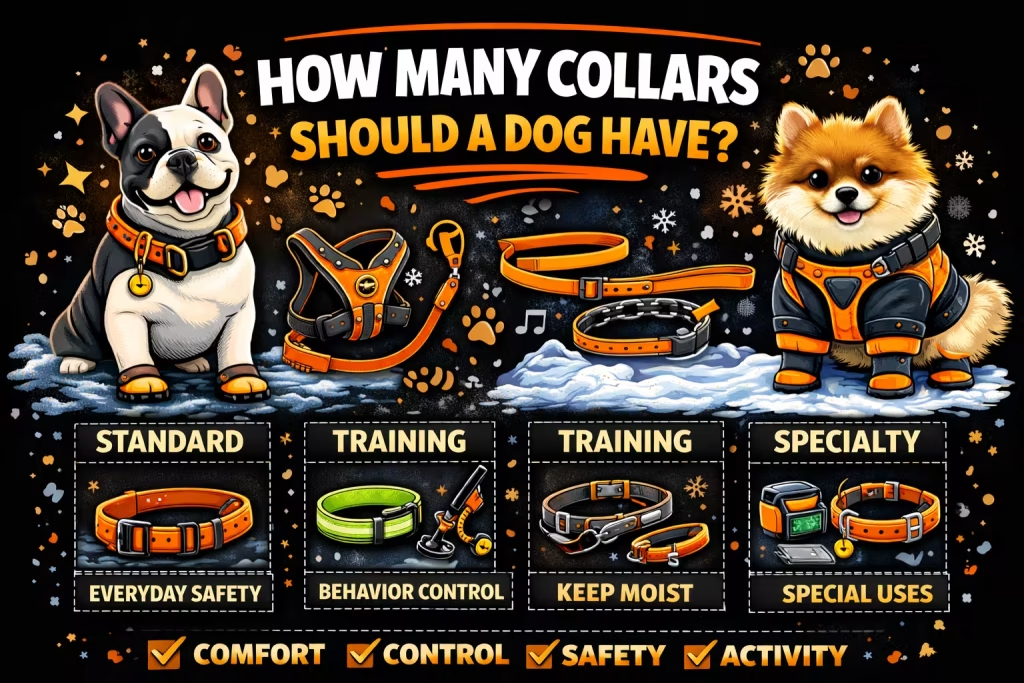
How Many Collars Should a Dog Have
Ultimate Guide to Dog Wardrobe Essentials
Most dog owners start with one basic collar and think the job is done. However, you soon realize that a single collar often fails to meet the demands of a busy dog’s life. One day, it’s soaked from a rainy walk and smells like damp fur, and the next day, you’re heading to a social gathering where your pup needs to look their best. Relying on just one accessory often leads to skin irritation, smelly gear, and even safety risks if a buckle wears out.
At Supreme Dog Garage, we believe your dog’s gear should be as versatile as your own wardrobe. By having a rotation of functional and high-fashion collars, you solve the problem of hygiene while ensuring your dog is always dressed for the specific activity at hand.
How Many Collars Should a Dog Have?
Most dogs should have at least 2 to 3 collars. This number covers daily safety, active use, and emergencies. One collar alone cannot handle every situation your dog faces.
Collar Type | Purpose |
Everyday ID Collar | Daily wear, identification, basic walks |
Active or Waterproof Collar | Outdoor play, rain, swimming, hiking |
Backup or Style Collar | Emergency use, events, or rotation |
This setup keeps your dog safe if one collar gets wet, dirty, or damaged. It also helps protect your dog’s neck and fur by allowing collars to dry and rest between uses.
Why One Collar Isn’t Enough for Modern Dogs
Dogs today live active lives. They walk on city streets, play in parks, travel in cars, and join family events. A single collar cannot stay clean, strong, and comfortable through all of this. Wearing the same collar every day traps moisture, sweat, and dirt against the skin. Over time, this leads to odor, bacterial growth, and skin irritation.
Another risk is failure. Collars wear out quietly. Stitching weakens. Buckles crack. If that happens during a walk or trip, your dog may lose identification or slip away. Rotating collars lowers this risk and extends the life of each one. For dog owners in the United States, where leash laws and ID requirements are common, having more than one collar is a practical safety choice, not a luxury. Explore the full range of premium, hypebeast-inspired gear at Supreme Dog Garage and find the perfect pieces to complete your dog’s wardrobe today.
The Rule of Three: Why One Collar Is Not Enough
Having a variety of collars is not about being excessive; it is about preparedness and safety. For a well-rounded setup, we recommend the Rule of Three. This includes a Daily Driver for everyday identification, an Active/Waterproof option for messy outdoor adventures, and a Statement Piece for social events or photoshoots. Having a backup is a crucial safety measure because gear can fail at the most inconvenient times. If a plastic buckle snaps or a leather loop cracks during a weekend trip, having a spare in your glove box or junk drawer ensures your dog never goes without their ID tags. This rotation also prevents the single point of failure that happens when one collar is used and abused for years without a break.
1. The Daily Driver (Everyday Comfort)
Your dog’s primary collar is like your favorite pair of jeans. It needs to be lightweight, comfortable, and durable enough for 24/7 wear. This is the collar that holds their essential ID tags and microchip info at all times. Most owners prefer high-quality nylon or soft leather for this role because these materials move with the dog’s neck and don’t cause heavy friction. Since this is the item your dog wears while sleeping and lounging around the house, it should have a flat profile to prevent catching on furniture or crates.
2. The Active & Adventure (Waterproof/Rugged)
If your dog loves the dog park, hiking trails, or jumping into the local pond, a rugged waterproof collar is a necessity. Standard fabric collars act like sponges, soaking up bacteria, mud, and lake water, which eventually leads to a permanent wet dog smell that is nearly impossible to wash out. An active-duty collar, often made from materials like Biothane or treated rubber, can be wiped clean in seconds. This ensures that after a muddy Saturday at the park, you aren’t bringing that filth back onto your living room rug or your dog’s bedding.
3. The Statement Piece (Social & Fashion)
There are moments when your dog needs to stand out, whether it is a holiday party, a wedding, or a stroll through a trendy neighborhood. This is where the Hypebeast culture of Supreme Dog Garage shines. A statement collar might feature designer-inspired patterns, luxury hardware, or bold colors that reflect your pup’s personality. These are generally kept in pristine condition and only brought out for special occasions. It’s the difference between wearing gym clothes and a tuxedo; your dog deserves to look the part when the cameras are out.
The Backup Factor: A Safety Necessity
Safety is the most practical reason to own multiple collars. Over time, salt from the air, UV rays from the sun, and the constant pulling of a leash can weaken the structural integrity of any collar. If you only own one, you might not notice the fraying or the tiny cracks in the buckle until it’s too late. By rotating through a few different options, you naturally inspect your gear more often. Plus, if one collar gets exceptionally dirty or needs a deep soak to sanitize, your dog isn’t left naked and unprotected while the gear dries.
Collar Type | Primary Purpose | Material Suggestion |
Daily Driver | ID Tags & Comfort | Soft Nylon or Canvas |
Active/Rugged | Hiking & Swimming | Waterproof Biothane |
Statement | Style & Socializing | Designer-Inspired Prints |
Backup | Emergency Use | Durable Flat Nylon |


Health & Hygiene: The Hidden Risks of Single-Collar Use
Using the same collar every single day without a break can actually lead to health issues for your dog. Constant friction in the exact same spot can cause collar rot, a form of skin irritation or hair loss around the neck. Bacteria and oils from your dog’s skin get trapped in the fibers of the collar, creating a breeding ground for hotspots or fungal infections. By rotating between different collars, you allow the skin on your dog’s neck to breathe and stay dry. It also gives you a chance to wash the used collars regularly, ensuring that your dog stays smelling fresh and their coat remains healthy and free of mats. To prevent odors and bacteria from building up on your favorite gear, follow our step-by-step guide on how to clean a dog collar without damaging the materials.
Matching the Collar to the Activity
Every environment your dog enters requires a different level of control and visibility. For example, a standard walk around a quiet suburb is vastly different from a high-stakes training session in a busy city. During training, many owners find that a martingale collar or a dedicated training collar provides the gentle correction needed to stop pulling without the choking risk of older styles.
On the other hand, if you are walking your dog in the early morning or late evening, a collar with reflective stitching or integrated LED lights is a life-saving tool. It ensures that drivers can see your pet from a distance. By choosing a collar based on where you are going, you maximize both the safety of your dog and your own peace of mind.
Training Sessions vs. Casual Walks
The gear you use sends a signal to your dog about what to expect. When you put on a specific training collar, it helps the dog transition into a work mindset. These collars are often designed to tighten slightly when tension is applied, giving the dog a physical cue to slow down. For casual walks, a wider, padded collar is often better because it distributes pressure across the neck, making the experience more relaxing for the dog. Having these distinct tools in your kit allows you to be a more effective trainer and a more attentive owner. While a collar is essential for identification, many owners prefer a dual-gear setup; learn about the benefits of a dog harness vs. a collar to determine the safest option for your dog’s neck health.
Nighttime Safety and Visibility
Visibility is a major concern for pet owners in the United States, especially during the shorter days of winter. A black or dark-colored dog can become almost invisible to motorists once the sun goes down. While some owners use clip-on lights, these can easily fall off or get lost in thick fur. A dedicated reflective collar is a much more reliable solution. These are built with specialized fabrics that glow when hit by headlights. Integrating one of these into your dog’s rotation for night walks is one of the simplest ways to prevent accidents.
Choosing the Right Materials: Durability vs. Style
The material of a collar dictates how long it will last and how comfortable it will feel for your dog. Not all materials are created equal, and understanding the pros and cons of each helps you build a better collection. While synthetic materials are great for heavy-duty use, natural materials like leather offer a classic look that actually gets better with age as it develops a patina and softens.
- Biothane and Waterproof Synthetics: These are the gold standard for durability. They are nearly impossible to break, do not hold odors, and can be cleaned with a simple damp cloth.
- Designer Nylon and Canvas: These materials allow for the most vibrant colors and intricate patterns. They are perfect for daily use because they are lightweight and generally machine washable.
- Genuine Leather: A premium choice that provides a high level of comfort. Leather is breathable and less likely to cause skin irritation on dogs with sensitive skin, though it does require occasional conditioning to stay supple.
Hardware and Buckles: Pay attention to the metal. Stainless steel or solid brass buckles are much stronger than plastic ones. If your dog is a puller, high-strength metal hardware is a non-negotiable safety feature.
-
Louis Pawtton Hero Brown Checkered Designer Leather Dog Harness and Leash Set
$35.00 – $94.50Price range: $35.00 through $94.50 -
Pawcci Designer Dog Harness And Leash Set
$59.50Original price was: $59.50.$39.00Current price is: $39.00.Rated 5.00 out of 5 -
Furry Berry Plaid Bow Tie Dog Collar And Leash
$20.00 – $35.00Price range: $20.00 through $35.00 -
Furdi FF Monogram Designer Dog Harness And Leash
$26.00 – $57.50Price range: $26.00 through $57.50Rated 5.00 out of 5


The Hypebeast Wardrobe: When Fashion Meets Function
At Supreme Dog Garage, we believe that style should never come at the expense of quality. The Hypebeast trend is about bringing the same energy and aesthetic of high-end streetwear to our four-legged friends. This means your dog’s collar can be a fashion statement that coordinates with your own style. Imagine matching a designer-inspired collar with one of our Winter Dog Sweaters for a cohesive look. This approach turns a functional necessity into a way to express your pup’s unique personality. It’s about more than just looking good; it’s about the bond created when you take the time to curate a look that represents the care you provide for your pet.
Coordinating Outfits for Every Season
Just as you change your clothes based on the weather, your dog’s gear should follow suit. A thick, heavy collar might feel too hot during a humid summer walk, while a thin, lightweight one might get buried under a winter coat. Seasonal rotation allows you to choose textures and colors that fit the vibe of the time of year. For instance, bright and bold patterns work perfectly for summer outings, while deep, rich tones or plaid patterns look excellent during the fall and winter months. This variety keeps your dog’s look fresh and ensures they are always the most stylish pet on the block.
Material | Best For | Maintenance Level |
Biothane | Rain, Mud, Swimming | Very Low (Wipe Clean) |
Nylon/Canvas | Daily Walks, High Style | Medium (Machine Wash) |
Leather | Comfort, Classic Look | High (Requires Conditioning) |
Reflective Fabric | Low-Light Safety | Medium (Wipe Clean) |
Safety First: The Two-Finger Rule and Wear Signs
Regardless of how many collars you own, safety remains the top priority. A collar that is too loose can slip over your dog’s head in a moment of panic, while one that is too tight can cause breathing difficulties or skin damage. The industry standard for a safe fit is the two-finger rule: you should be able to comfortably slide two fingers between the collar and your dog’s neck.
This ensures the collar is snug enough to stay on but loose enough to prevent choking. Additionally, you should perform a weekly safety check on your entire collection. Look for frayed edges on nylon, deep cracks in leather, or sticking buckles that don’t click into place securely. If you notice any structural damage, it is time to retire that piece and move to the next one in your rotation.
The Perfect Fit: How to Measure Your Dog’s Neck
Buying the right size is essential, especially when ordering luxury gear online. To get an accurate measurement, use a soft measuring tape and wrap it around the base of your dog’s neck where the collar naturally sits. If you do not have a flexible measuring tape, you can use a piece of string and then measure that string against a ruler. Always add an extra inch or two to the final measurement for small to medium dogs, and up to three inches for very large breeds. This extra room ensures comfort during movement. At Supreme Dog Garage, we provide detailed sizing charts for our designer-inspired collections to help you avoid the hassle of returns and ensure your pup feels as good as they look.
Breakaway Safety for Indoor Dogs
While collars are vital for ID, they can pose a risk if a dog is left unattended indoors. Collars can get caught on crate bars, furniture corners, or even another dog’s teeth during play. If your dog spends a lot of time alone inside, consider a breakaway collar for your indoor rotation. These are designed with a special buckle that releases when a certain amount of pressure is applied, preventing accidental strangulation. When it is time for a walk, you simply swap the breakaway for your sturdy walking collar or harness. This simple switch is a hallmark of a responsible and informed pet owner.
Frequently Asked Questions
Should I take my dog’s collar off at night?
Yes, it is often a good idea. Taking the collar off at night allows the skin to breathe and reduces the chance of fur matting or collar lines. Just ensure your home is secure so your dog doesn’t slip out without their ID.
Do dogs get bored of the same collar?
While dogs might not understand fashion, they do notice how they are handled. A fresh, clean collar that doesn’t itch or smell will make your dog much more comfortable during their daily routine.
Is a harness better than a collar for a dog that pulls?
For heavy pullers, a harness is usually safer to prevent neck strain. However, a collar is still necessary for holding ID tags. Many owners use a collar for ID and a harness for the actual lead attachment.
How often should I wash my dog’s collar?
You should aim to wash fabric collars at least once a month, or immediately after a particularly muddy or rainy walk to prevent bacterial growth.
Final Verdict: Building the Perfect Dog Collar Collection
Deciding how many collars a dog should have comes down to your lifestyle, but the Rule of Three is the best starting point for any modern pet parent. By maintaining a rotation of a comfortable daily collar, a rugged waterproof option, and a stylish statement piece, you ensure your dog is prepared for every situation. This approach protects their health, keeps them smelling better, and ensures they are always the most fashionable pup at the park. Ready to upgrade your dog’s current rotation?

Top Dog Walking Products for Every Adventure
Make every walk an experience with premium dog walking gear from Supreme Dog Garage. Whether you’re exploring the neighborhood or hitting the trails, our curated selection of leashes, harnesses, collars, and accessories combines style, comfort, and durability, perfect for every pup and their person.
